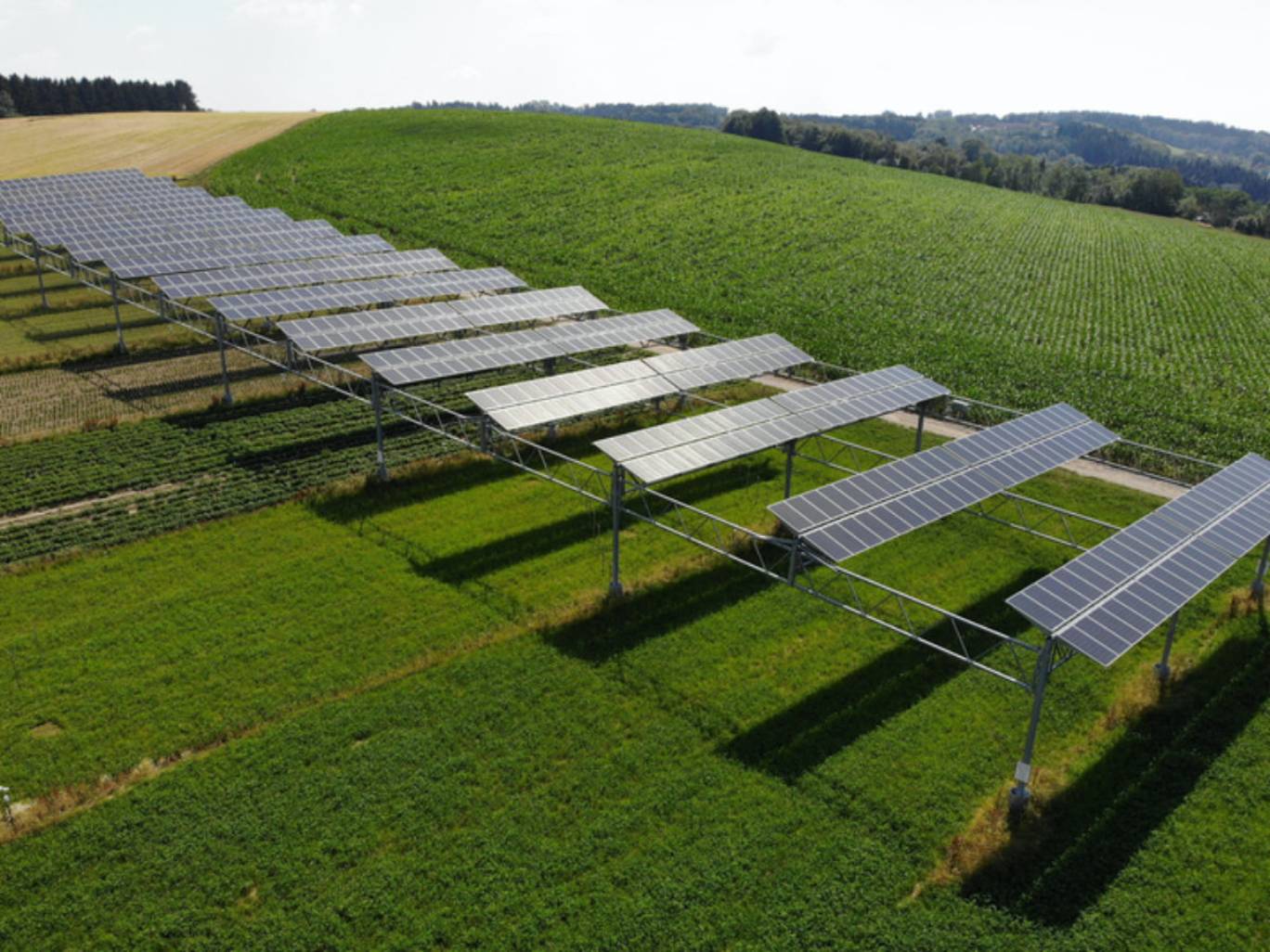
The new edition of the 2026/27 Harvest Plan, announced by the Ministry of Agriculture and Livestock (MPLSA), foresees a record volume of R$ 525.1 billion for investments in Brazilian agribusiness and brings important advances for the energy transition in the field. Among the new features is the inclusion, for the first time, of financing for battery energy storage systems in some of the program's main credit lines. For the Brazilian Photovoltaic Solar Energy Association (ABSOLAR), the measure represents an important step forward in the modernization of the agricultural sector. In addition to the R$ 8.9 billion increase in resources compared to the previous edition, lines such as Inovagro and Prodecoop now allow investments in electrical energy storage systems, strengthening renewable generation projects and increasing the energy security of rural properties. The entity notes, however, that the cost of credit still represents a challenge. Although interest rates have seen an average reduction, ranging from 8% to 12.5%, compared to the 8.5% to 14.5% range of the previous edition, interest rates remain high, influenced by the current level of the Selic rate. Currently, Brazilian agribusiness has 6.3 gigawatts of installed capacity in photovoltaic systems, equivalent to more than 13% of the country's total self-generation solar capacity among residential, rural, commercial, industrial, and public sector consumers. According to a survey by ABSOLAR, more than 806,700 rural properties already use photovoltaic solar energy in Brazil. “The Plano Safra (Agricultural Plan) is consolidating itself as an increasingly strategic instrument to accelerate the energy transition in agribusiness. The inclusion of energy storage in financing lines is an important advance for the sector. At the same time, the cost of credit still directly influences producers' investment decisions in solar energy and energy storage projects,” says Bárbara Rubim, president of the Board of Directors of ABSOLAR. “The synergy between agriculture, photovoltaic solar energy, and storage systems is enormous. These technologies can be used in water pumping and irrigation, refrigeration of meat, milk, and other products, temperature control in poultry production, lighting, electric fences, telecommunications systems, monitoring of rural properties, and various other applications that increase productivity, efficiency, and sustainability in the field,” he adds. For Rodrigo Sauaia, CEO of ABSOLAR, the inclusion of storage systems in the Plan represents an achievement for the entity and the entire Brazilian photovoltaic sector. “The combination of photovoltaic solar energy and storage provides reduced electricity costs, greater security in energy supply, protection against tariff volatility, and increased competitiveness for rural producers. The inclusion of these technologies in the financing lines of the Plano Safra is another important step towards expanding innovation, productivity, and sustainability in Brazilian agribusiness,” he concludes.
This text was translated by machine from Brazilian Portuguese.