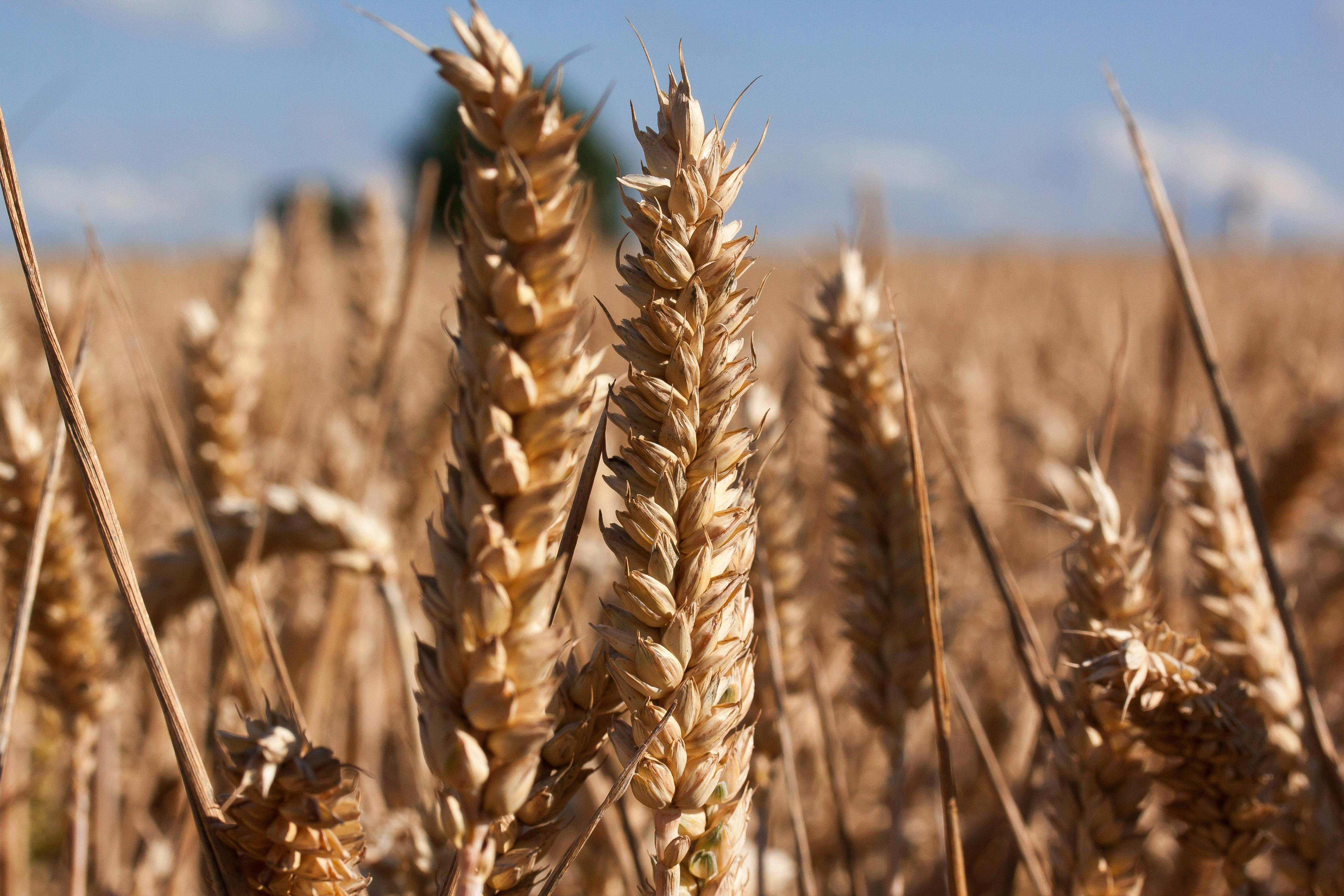
Wheat sowing progressed gradually in the producing regions of Rio Grande do Sul, following the Agricultural Zoning of Climatic Risk (Zarc) and conditioned by soil moisture conditions and trafficability of the areas. According to the Conjunctural Report released by Emater/RS-Ascar on Wednesday (3), the crops planted at the beginning of the recommended period show satisfactory emergence and initial establishment, with adequate stands and vegetative development. The operations to prepare the areas destined for planting the cereal continued, but projections indicate a significant reduction in the cultivated area compared to the previous harvest, as a reflection of the combination of high production costs, credit and rural insurance restrictions, in addition to the increased perception of climatic risk for the winter cycle. In several regions, there is less use of certified seeds and greater participation of own resources in financing the activity. The estimate of the area to be cultivated in the 2026 Harvest is being surveyed by Emater/RS-Ascar. In the previous harvest, Rio Grande do Sul cultivated 1,166,163 hectares of wheat, with an average productivity of 2,968 kg/ha and a total production of 3,458,083 tons, according to IBGE data.
This text was translated by machine from Brazilian Portuguese.