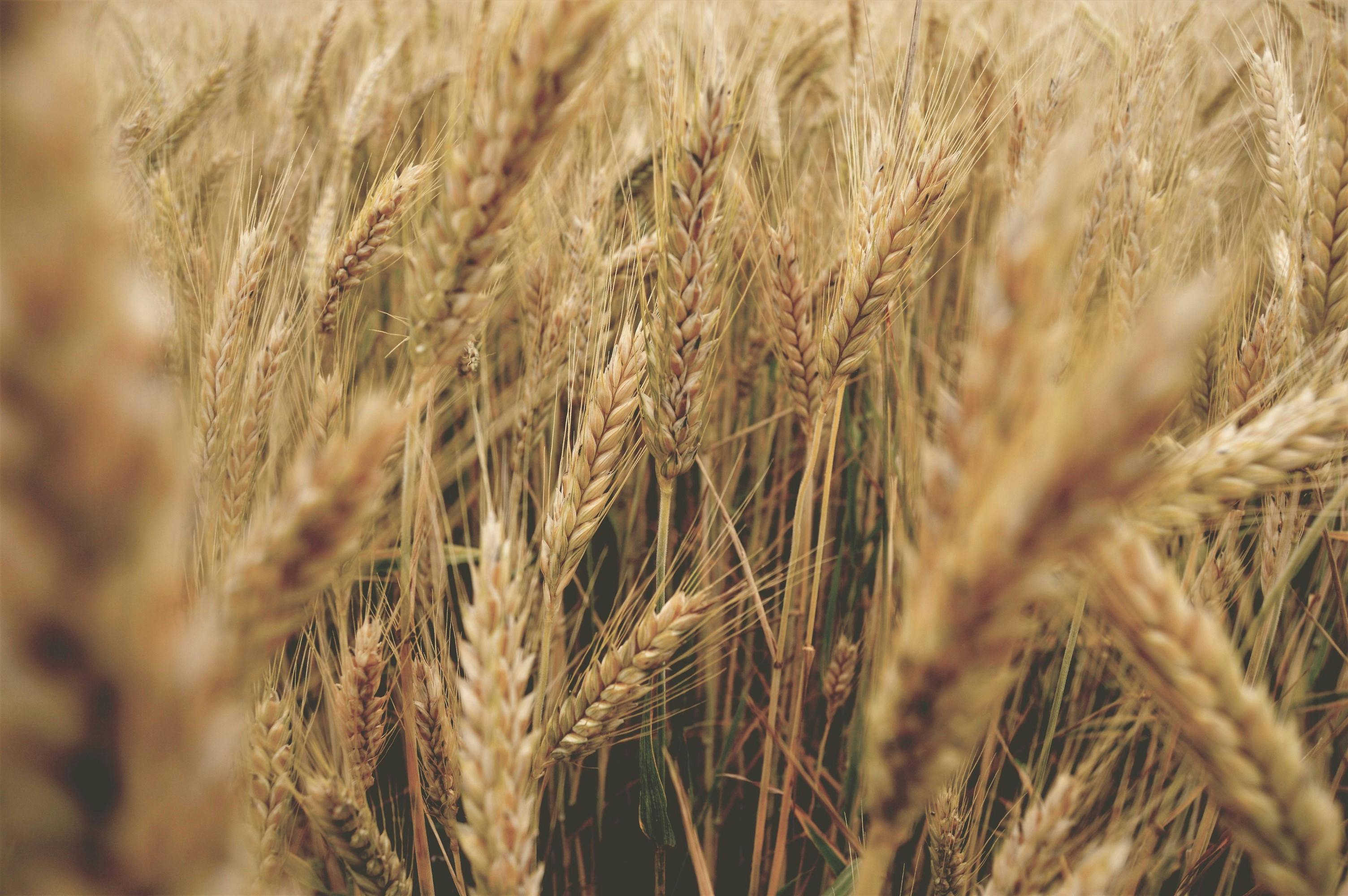
Wheat planting has progressed in most producing regions of Rio Grande do Sul, reaching approximately 70% of the projected area, favored by reduced rainfall in recent weeks, although areas with high soil moisture are still showing a slower pace. Planted crops are showing good establishment and initial vegetative development, with uniform emergence. The wheat crop shows a significant reduction in the area to be cultivated this season in the state. Emater/RS-Ascar estimates 814,220 hectares, an approximate 30% reduction compared to the 1,166,163 hectares cultivated in 2025. Despite the decline, wheat remains the state's main winter cereal. The projected average productivity is 2,701 kg/ha, and the estimated production is 2.2 million tons. The reduction in cultivated area reflects a combination of lower profitability, high production costs, credit restrictions, and a greater perception of climate risk for the winter cycle. There is also a reduction in the technological level in some areas, such as the rationalization of the use of inputs and greater use of saved seeds.
This text was translated by machine from Brazilian Portuguese.