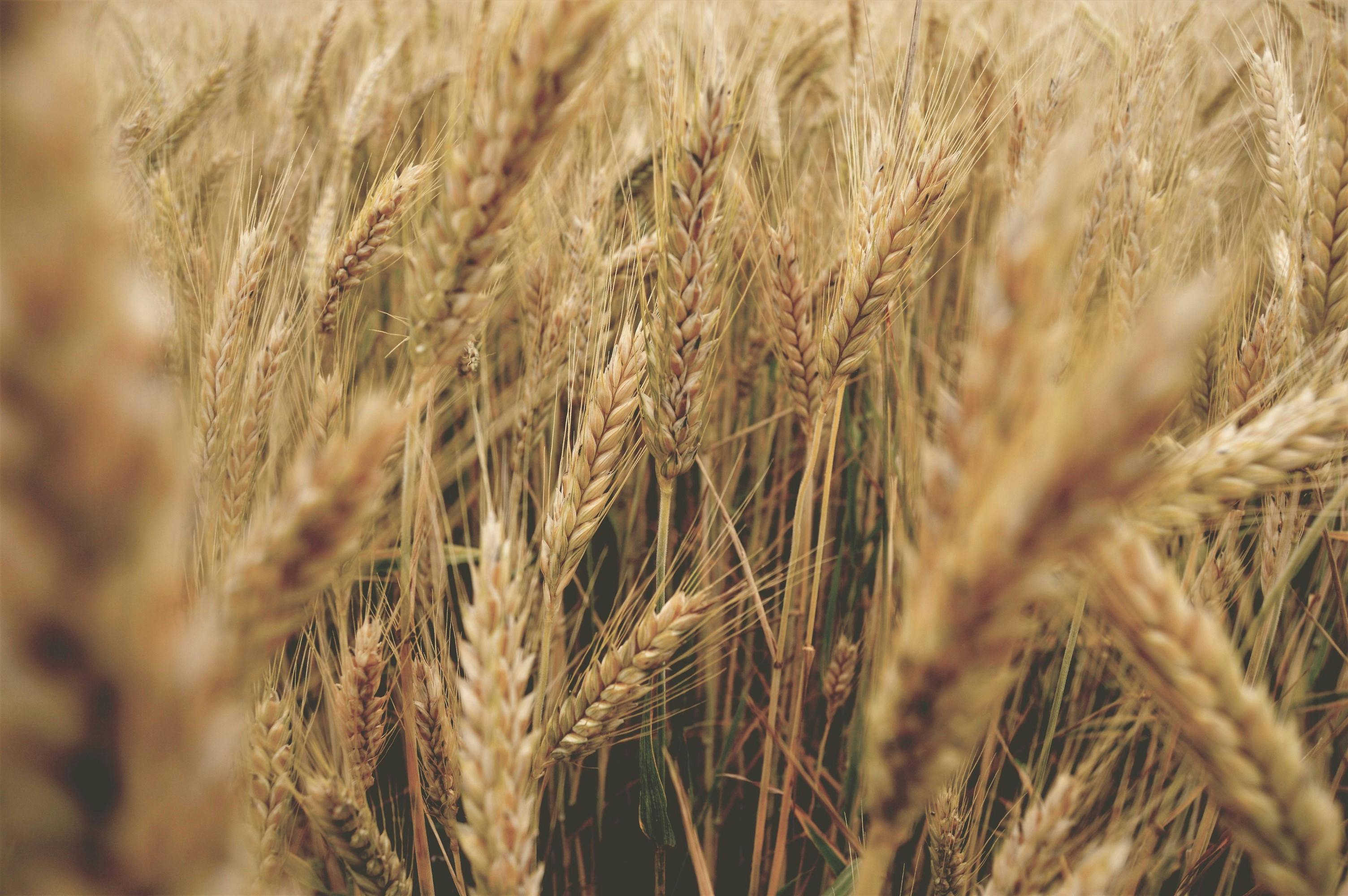
Embrapa launched, this Wednesday (20), during AgroBrasília 2026, two new wheat cultivars developed for cultivation in tropical environments: BRS Savana, aimed at rainfed systems and with high resistance to blast disease, and BRS Cracker, the first tropical wheat cultivar developed to meet the needs of the biscuit industry. The new cultivars represent an important advance for the expansion of wheat cultivation in the Cerrado. Embrapa expects to contribute to expanding the area cultivated with wheat in the region from the current 400,000 hectares to one million hectares in the next ten years. The materials are the result of more than 40 years of research conducted in partnership between Embrapa Cerrados (Planaltina-DF) and Embrapa Trigo (Passo Fundo-RS). The BRS Cracker cultivar was developed to meet the demand of mills for a specific flour for biscuit production, a segment that requires low gluten strength. “Historically, Embrapa's breeding programs prioritized cultivars intended for breadmaking, usually with high gluten strength. Based on the demand presented by the milling sector, we began to seek material geared towards this market niche,” explained Embrapa Cerrados researcher Julio Albrecht. According to him, BRS Cracker is a selection made within the BRS 264 cultivar, one of the most widely planted in the Cerrado due to its high productive potential and industrial quality for bread production. “The new cultivar maintains the strong genetic base of BRS 264, but presents lower gluten strength, an ideal characteristic for biscuit production. In addition, it has high productive potential, reaching between eight and nine tons per hectare in an irrigated system, as well as good resistance to blast, the main disease that limits the expansion of wheat in Central Brazil,” he stated. BRS Savana, according to the researcher, was developed considering the impacts of climate change and reduced rainfall in the Cerrado. According to Albrecht, irregular rainfall and decreased soil moisture require more robust cultivars adapted to adverse conditions. “The new variety exhibits heat tolerance and drought resistance, strategic characteristics for the sustainability of rainfed wheat production in the region,” he highlighted. In addition to climate adaptation, BRS Savana also presents high yield potential, reaching between four and five tons per hectare in rainfed systems, coupled with good resistance to blast disease. “This launch aims to offer greater production security to farmers in the face of the climatic challenges faced in the Cerrado,” he emphasized. Albrecht added that genetic improvement work will continue to advance, with new cultivars under development for both irrigated and rainfed systems. According to him, the partnership between Embrapa Cerrados and Embrapa Trigo will remain fundamental in generating technological solutions capable of strengthening Brazilian wheat farming in the face of market demands and climate change.
Launch brings together researchers and producers.
The launch of the new cultivars took place at the Embrapa stand at AgroBrasília 2026. On that occasion, the head of Embrapa Cerrados, Jorge Werneck, highlighted that the new wheat cultivars represent yet another result of the joint work between Embrapa and partners in the productive sector. “The development of new technologies seeks to expand the options available to producers, allowing for greater adaptation of materials to different production systems, climatic conditions, and regional realities,” he stated. The head also emphasized the importance of the partnership with rural producers in the process of validating technologies in the field. “Many farmers participated directly in the evaluation of materials under real growing conditions, contributing to the improvement of cultivars and the consolidation of solutions more suited to the demands of Brazilian wheat farming.” The head of Embrapa Trigo, Jorge Lemanski, highlighted the strategic potential of the new wheat cultivars developed for the Cerrado region. According to him, currently, part of the wheat destined for this market still needs to be imported from countries like the United States and Canada, but the expectation is that producers in the Cerrado region will begin to supply this national demand. Lemanski highlighted the growth of wheat farming in the Cerrado. The region, which once represented only 10% of the national wheat area, reached 16% of Brazilian production in 2023, with more than 1.3 million tons produced and an expansion of the cultivated area from 200,000 to 400,000 hectares between 2021 and 2023. According to him, the scenario of reduced rainfall in Central Brazil favors the inclusion of wheat in the second crop, in rotation with crops such as soybeans, corn, cotton, and sorghum, bringing agronomic benefits, such as weed control. The vice-president of Coopa-DF, Leandro Maldaner, highlighted the importance of the partnership with Embrapa for strengthening the wheat chain in the Cerrado and for the production of high-quality flours destined for the consumer market. According to him, one of the distinguishing features of the cooperative's mill is the use of wheat without the addition of chemical improvers in the production of flour for bread and pasta. Maldaner explained that the industry uses a blend of the BRS 254 and BRS 264 cultivars, developed by Embrapa, in products such as bread, pasta, lasagna, and savory pastries. According to him, only iron and folic acid are added to the flour, as required by law, while the rest of the product's quality is exclusively a result of the characteristics of the wheat cultivated and milled. The director stated that this characteristic is a source of pride for the cooperative and attributed part of the viability of Coopa-DF's milling industry to the long-standing partnership with Embrapa. He highlighted the role of research and technology developed by the institution, combined with the cooperative's technical work, in guaranteeing quality and competitiveness in the sector. During his speech, Maldaner also reinforced the potential of the Cerrado region for the expansion of national wheat production. For him, the region represents the main agricultural frontier for Brazil to advance towards self-sufficiency in the cereal. The vice-president also congratulated Embrapa for developing new cultivars aimed at both breadmaking and the biscuit segment, expanding market opportunities for producers in the region. Finally, producer Paulo Bonato, a member of Coopa-DF, highlighted Embrapa's role in the development of wheat cultivation in the Cerrado and stated that the promising future of the crop in the region is a direct result of the research work conducted by the institution. He also emphasized the importance of the cooperative in multiplying and disseminating the cultivars developed by Embrapa, which contributes to the wheat produced in the Cerrado becoming increasingly internationally recognized for its quality. Regarding the new releases, Bonato stated that the expectation is that the new cultivars will bring even more benefits to producers, consumers, and the Brazilian economy. "The expansion of national production can contribute to reducing dependence on wheat imports, strengthening the domestic economy, generating prosperity for the productive sector, and expanding the supply of quality flour to the Brazilian population."
This text was translated by machine from Brazilian Portuguese.