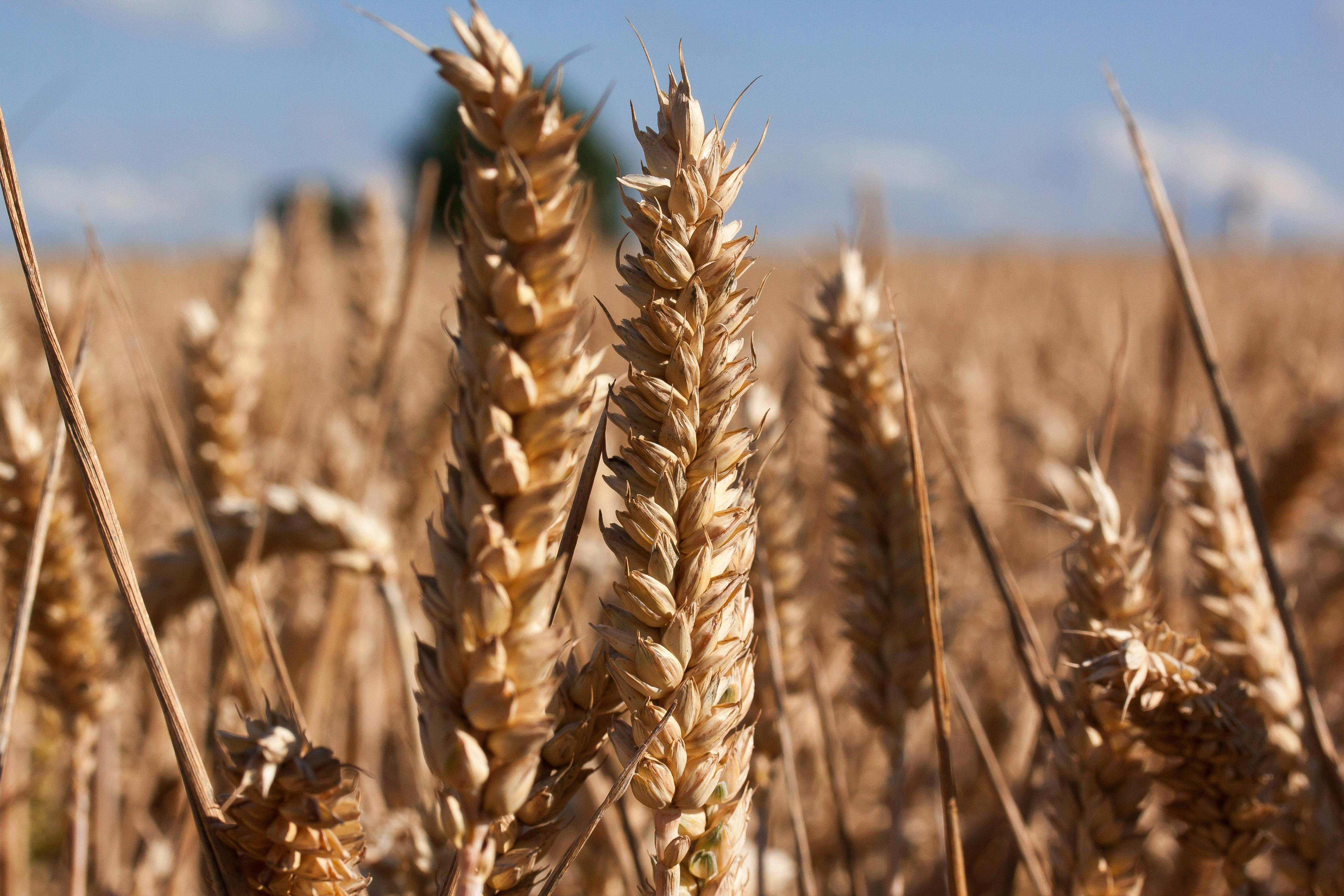
The Brazilian wheat milling sector is watching the outlook for the 2026 harvest with growing concern. According to market data, the combination of international and domestic factors is intensifying pressure on milling costs, with potential repercussions throughout the food industry. Considered one of the pillars of global food security, wheat accounts for approximately 20% of the calories and protein consumed worldwide, according to the FAO. In Brazil, it is an essential raw material for products widely present in the population's diet, such as bread, pasta, biscuits, and cakes. The high dependence on imports—especially from Argentina—makes the country particularly sensitive to fluctuations in the international market. "Brazil is not self-sufficient in wheat, and therefore, any external turbulence has a direct impact on costs, availability, and predictability of supply," says the executive president of the Brazilian Wheat Industry Association (Abitrigo), Rubens Barbosa. Globally, factors of strong instability remain. The war between Russia and Ukraine, coupled with tensions in the Middle East, continues to put pressure on commodity markets. This environment raises the costs of energy, fuel, freight, insurance, and logistics, increasing the cost of importing the grain and hindering industry planning. Domestically, the signs also demand attention. The combination of climatic and economic factors has resulted in a reduction in cultivated area and will decrease the 2026 harvest by 23.5% compared to the previous year, according to CONAB, a factor that will cause an increase in imports in 2027 of 1.9 million tons. Furthermore, the excessive rainfall recorded in Rio Grande do Sul—the country's main wheat-producing state—raises concerns about productivity, grain quality, and the actual volume of the harvest currently being collected, which could further aggravate the situation. "We are facing a scenario that combines lower domestic supply, a greater need for imports, and higher international costs. This significantly increases the complexity of milling operations," emphasizes Barbosa.
Wheat bran market
Another factor impacting the sector's competitiveness is the wheat bran market. The significant drop in corn prices has reduced the value of this important co-product, compromising the economic balance of milling. As a consequence, pressure on production costs and flour pricing is increasing. “When bran loses value, a significant portion of the industry's revenue is affected. This ends up putting pressure on the final cost of flour and, consequently, on various foods consumed daily by the population. Given this scenario, guaranteeing supply in adequate quantity, quality, and cost becomes a growing challenge,” highlights Barbosa. According to Abitrigo, there is no risk of wheat shortages in the domestic market. The industry remains committed to ensuring continuous supply. “The security of wheat supply depends on planning, risk management, and constant market monitoring. The sector is mobilized, but the context demands permanent vigilance,” concludes Barbosa.
This text was translated by machine from Brazilian Portuguese.