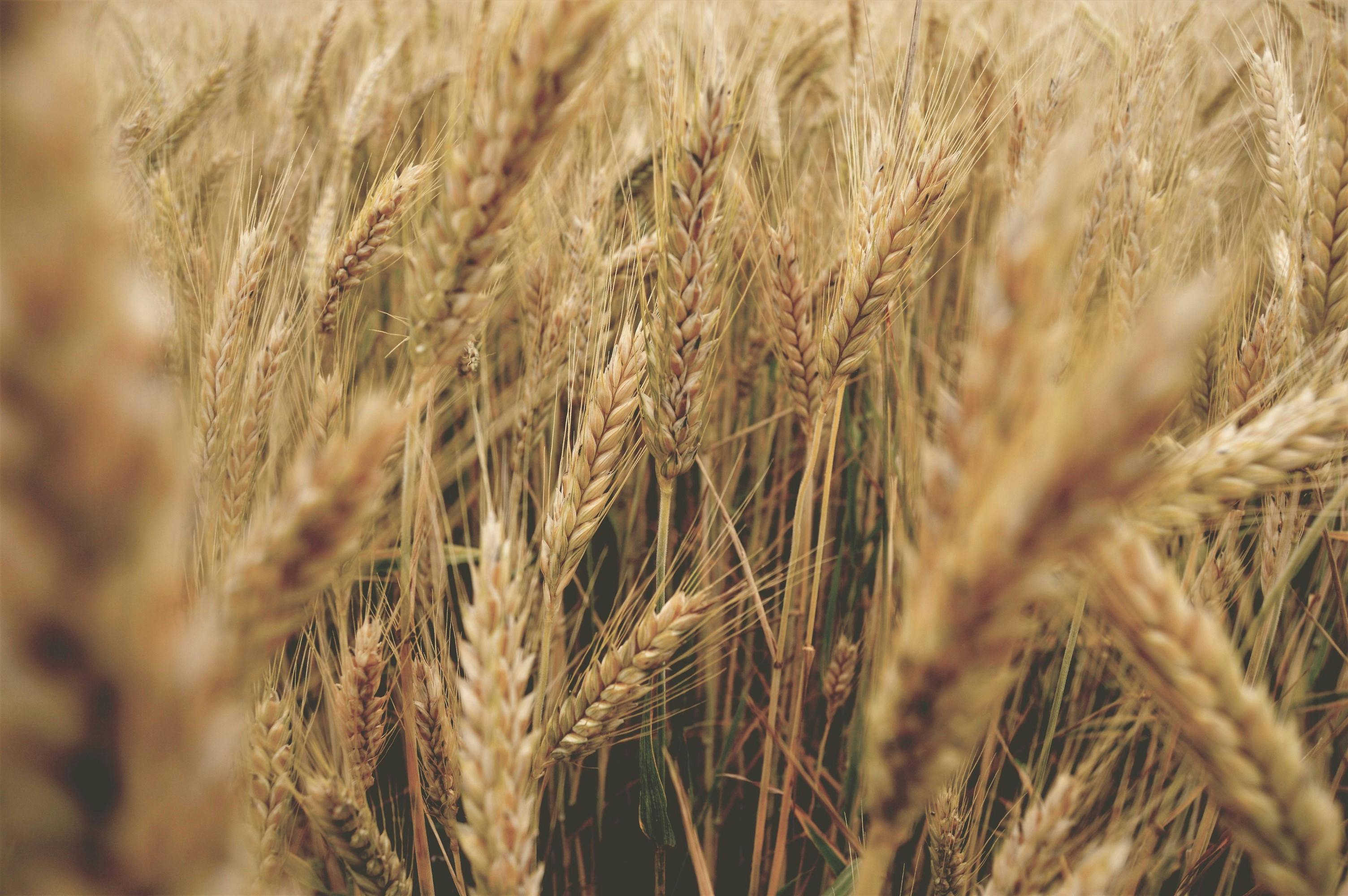
Monitoring of the 2025/26 second-crop and winter crops shows growth in the vegetation index (VI) of wheat, compared to the previous crop, in all regions analyzed. For the second-crop corn, conditions were also satisfactory for crop development in most producing regions. The information is available in the 6th edition of the Agricultural Monitoring Bulletin (BMA), released by the National Supply Company (Conab) this Thursday (25). According to the document, which assesses the agrometeorological and spectral conditions of crops in the country's main producing regions between June 1 and 21, in addition to the VI being higher than that recorded in the last crop, the good condition of the cover vegetation reinforces the positive prospects for wheat. With 74.3% of the area sown and 55.1% in vegetative development, the cereal was favored by adequate moisture conditions and lower temperatures, especially in the South region, the country's largest producer. In Rio Grande do Sul, planting progressed in all regions, and in Paraná, flowering began. For the second corn crop, with 60.7% of the crops maturing, the Bulletin indicates that the IV (Index of Fertility) evolved close to that of the previous crop in practically all monitored regions. In Mato Grosso, the largest national producer of the grain, the dry weather favored the maturation of the crops and the progress of the harvest in the first sown areas, with productivity exceeding initial estimates. In Goiás and Minas Gerais, however, the lack of rain in April and May interfered with the reproductive period. Regarding rainfall distribution, the highest volumes recorded during the period occurred in the North region, especially in northwestern Amazonas, Roraima, and northern Amapá. Soil moisture was sufficient for the development of most of the second corn crop in Pará and for beans and third corn crops near the coast in the Sealba region, which encompasses areas of Sergipe, Alagoas, and northeastern Bahia. In the Northeast, rainfall levels were as expected for the period, with no precipitation in the interior, including the southern region of Maranhão, Tocantins, southwestern Piauí, and western Bahia (Matopiba). In coastal areas, crops benefited from the water regime. For Maranhão and other components of Matopiba, the reduction in soil water storage was beneficial for crops in maturation and harvesting. The predominance of dry weather in the Southeast and Midwest regions, with atypical rains that allowed for the recovery of soil water storage, favored some of the later-planted second-crop corn and sorghum crops. However, cotton and second-crop corn crops in maturation were impacted in terms of product quality and delays in the start of harvesting. In the South, in addition to the favorable scenario for wheat, the volume of rainfall allowed for the recovery of soil water storage and the development of second-crop corn. For the second-crop beans, which are maturing and being harvested in areas of Santa Catarina and Paraná, rainfall levels were unfavorable for some crops. The Bulletin also highlights the conditions for the completion of the first-crop corn harvest and the progress of the third crop of the grain in Bahia, Sergipe, Alagoas, and Pernambuco.
This text was translated by machine from Brazilian Portuguese.