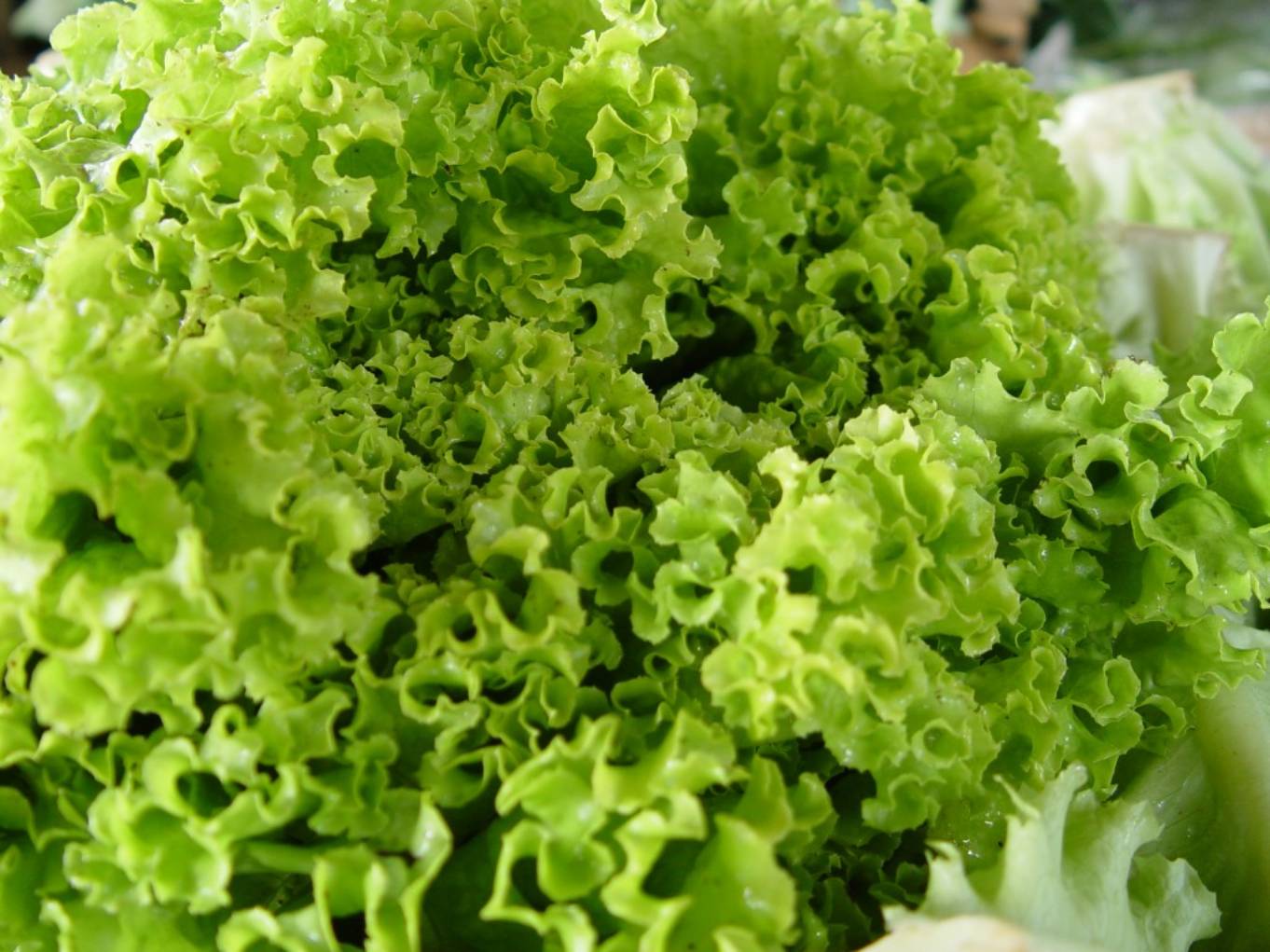
The commercialization values of bananas and lettuce showed a reduction in the weighted average of the month of May in most Supply Centers (Ceasas) in the country. For the fruit, the wholesale price fell by 4.89% in the weighted average; for the vegetable, the reduction was 1.94% compared to the month of April. The information was released by the National Supply Company (Conab) this Tuesday (23), in the 6th edition of the Horticultural Bulletin within the scope of the Brazilian Program for the Modernization of the Horticultural Market (Prohort). The apple also maintained the trend seen in the last two months, ending the month with a decrease of 5.53% in the weighted average of the monitored commercialization centers. The Central-South region registered the main drops, with the lowest price recorded for Rio de Janeiro (-12.65%). Although showing a slight increase in the weighted average of the monitored wholesale markets, watermelon and orange also registered a reduction in the average individual price in most of the markets that make up the sample. The price dynamics of bananas were influenced by good production conditions, especially for the dwarf variety, which contributed to an increase in supply and product quality. At the Campinas/SP wholesale market, average prices fell 13.27% compared to April. Given the stable demand and good sales throughout May, only Fortaleza/CE saw a 6% increase in the monthly average price. Compared to April, watermelon became cheaper in 70% of the evaluated supply units, although it showed a 3.37% increase in the overall weighted average. The most significant growth was observed in Rio de Janeiro (72%), due to the increased commercialization of mini-watermelons, which have a higher commercial value. In the Recife/PE and Fortaleza/CE wholesale markets, prices were recorded as low as 17%. The price of fruit is affected by decreased demand resulting from lower winter temperatures in the consumer centers of the South and Southeast regions. For oranges, reasonable stock levels and decreased external demand explained the price movements, which ended the month with a weighted average 1.42% higher compared to April. With increased supply from São Paulo, Bahia, and Sergipe, the country's largest producers, the supply tends to grow. The largest drops in wholesale prices were observed in São Paulo (-10.93%) and São José/SC (-10.03%). Among the fruits analyzed, papaya had the largest percentage increase, equivalent to 7.49% on average. The most significant drop was recorded in Rio de Janeiro/RJ (-23.60%), while the largest increases were seen in Fortaleza/CE (67.42%) and Vitória/ES (51.11%). The decrease in the supply of the Formosa variety and shipments from southern Bahia and northern Espírito Santo explain the scenario. Vegetables – The contraction in demand, typical of reduced consumption of leafy vegetables in winter, contributed to the drop in lettuce prices in almost all wholesale markets, with lower prices in Belo Horizonte/MG (-27.98%), Vitória/ES (-25.71%) and Rio de Janeiro/RJ (-25.20%). The supply of the vegetable was also 10.8% lower than that recorded in April. Carrots, which had risen in the last two months, remained stable, with a 0.63% decrease in the weighted average of May's prices. Despite increases of less than 7% in half of the monitored wholesale markets, larger reductions were recorded in Fortaleza/CE (-33.12%) and São José/SC (-15.54%). With the intensification of the winter harvest and recovery of supply, mainly from Minas Gerais, the coming months should see a decrease in prices. Although lower compared to previous months, onion prices continued to rise for the third consecutive month, with a weighted average increase of 12.53%. Average prices for the vegetable ranged from a 5.09% decrease in Recife/PE to an increase of up to 21.62% in Campinas/SP. This dynamic is justified by the reduction in national supply, especially shipments from Santa Catarina, which are 35% lower than in April. For tomatoes, the increase in the weighted average was 19.85%, varying between an 11.38% decrease in Vitória/ES and a 42.38% increase in Recife/PE. This movement can be explained by greater control of supply by producers, made possible by lower temperatures in producing regions, which delay fruit ripening and allow for a reduction in the pace of harvesting. Among vegetables, the most significant increase was for potatoes, with an average percentage price rise in all the wholesale markets analyzed. The tuber closed the month with a 57.95% increase in the weighted average of prices. The end of the rainy season harvest and the still incipient start of the winter harvest reduced supply. Minas Gerais, the country's largest producer, registered the highest increase (84.44%). Santa Catarina was the only state with a decrease, closing the period with average prices 1.66% lower compared to the previous month.
This text was translated by machine from Brazilian Portuguese.