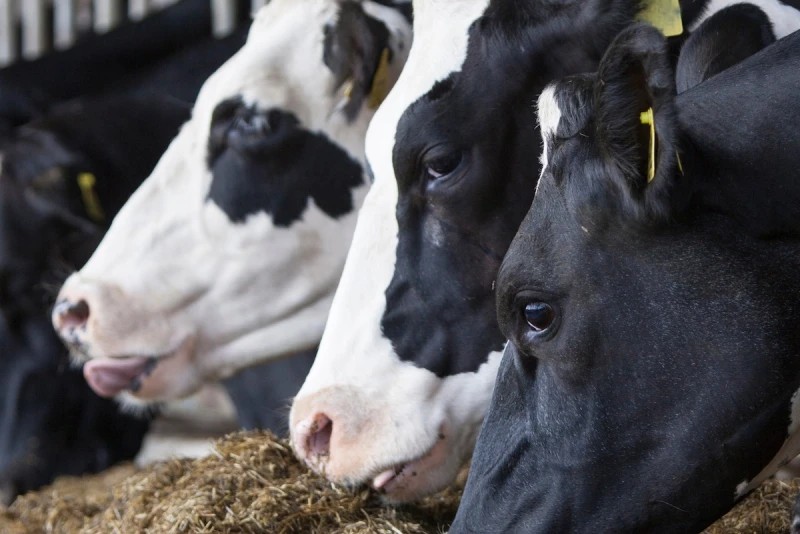
THE United States Department of Agriculture (USDA) Last Friday (5), the second detection of the New World blowfly (NWS) in the state of Texas was confirmed. The new case was identified in a one-month-old calf in Zavala County, approximately 9 kilometers from the first outbreak recorded in the region. According to the USDAthe Animal and Plant Health Inspection Service (APHIS) And its state partners continue to collect and analyze samples on properties near the site of the outbreak. So far, other tests conducted have yielded negative results for the presence of the pest. "An APHIS intervention team is already in the field in Texas," the agency said in a statement. The group is composed of veterinarians and animal health technicians responsible for carrying out containment, monitoring, and assistance actions for producers in the region. As part of the pest eradication strategy, the USDA The aerial release of sterile flies over the affected area began on June 4th. The program involves the dispersal of 2 million sterile insects twice a week, aiming to interrupt the reproductive cycle of the blowfly. In addition to aerial operations, the department reported that it is sending another 4 million sterile flies per week to Texas. The insects will be distributed through 24 ground release points installed in and around the detection zone to increase the effectiveness of the control. The New World blowfly is considered one of the main sanitary threats to livestock, since its larvae feed on living animal tissue, causing serious injuries, production losses, and increased management costs. In light of this new occurrence, the Canadian Food Inspection Agency (CFIA) It has announced plans to implement temporary restrictions on the importation of animals from affected areas of the U.S.
This text was translated by machine from Brazilian Portuguese.