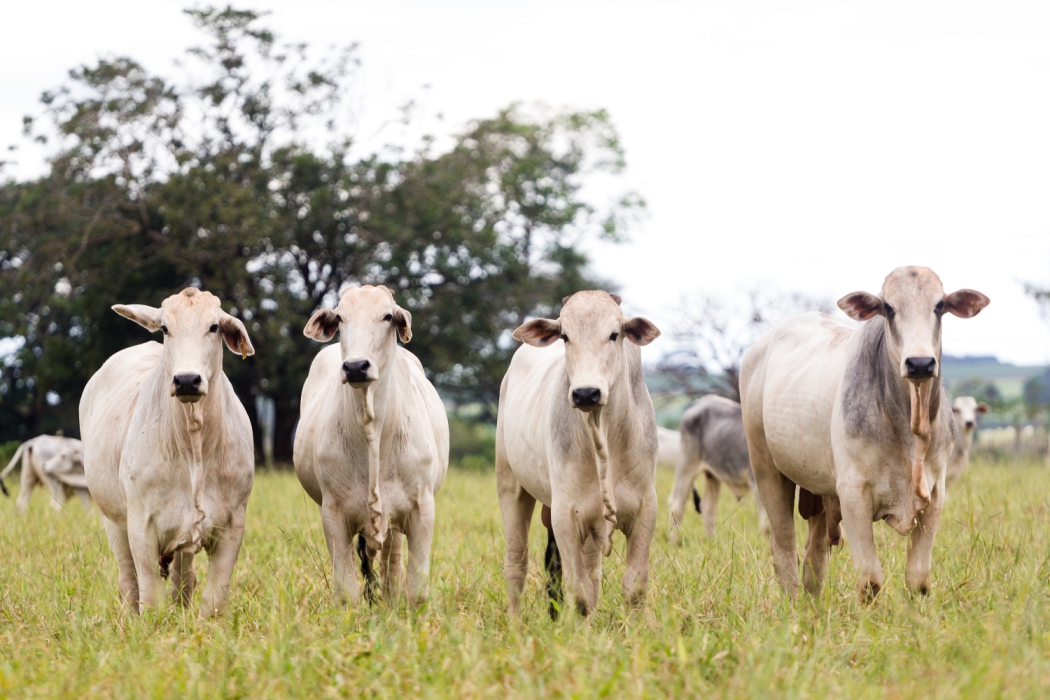
The Animal and Plant Health Inspection Service (APHIS) of the United States Department of Agriculture (USDA) confirmed on Wednesday (3) the detection of a case of the New World blowfly (New World screwworm – (NWS) in a bovine animal in Zavala County, Texas. According to the agency, the case was identified in a three-week-old calf. The pest larvae were found in the animal's umbilical region. To date, there are no reports of other occurrences. The New World blowfly is considered one of the most damaging pests to livestock, as its larvae feed on living tissue, causing serious wounds, reduced animal performance, and economic losses to the sector. During a press conference, the US Secretary of Agriculture, Brooke Rollins, advised residents of nearby areas to monitor pets and livestock for signs of infestation, such as infected wounds, eggs, or larvae. The Secretary also stressed that the pest does not pose a risk to the food supply chain, as it does not infest processed meat, fruits, or vegetables. The blowfly had been eradicated from the United States in the 1960s, following a large-scale biological control program that confined the pest to Central America. In recent years, however, new outbreaks have been recorded in countries such as Panama, Costa Rica, Nicaragua, and Honduras. In 2024, Mexico confirmed its first case of the disease in decades. According to the USDAMore than 8,000 traps have been installed in the United States since the beginning of 2025 to monitor the plague. These actions resulted in the analysis of approximately 58,000 samples and the inspection of 19,000 wild animals, all with negative results until the confirmation of the case in Texas. In a social media post, Rollins attributed the plague's advance toward the U.S. border to the illegal transport of animals from Mexico. The secretary also reported that she held meetings with authorities from the Texas Animal Health Commission, local ranchers, and state government representatives to discuss containment measures. As part of the prevention strategy, the USDA has maintained a suspension of live animal imports across the southern border of the United States since May 2025. This measure restricts the entry of cattle from Mexico and has reduced the supply of animals for restocking in states like Texas.
This text was translated by machine from Brazilian Portuguese.