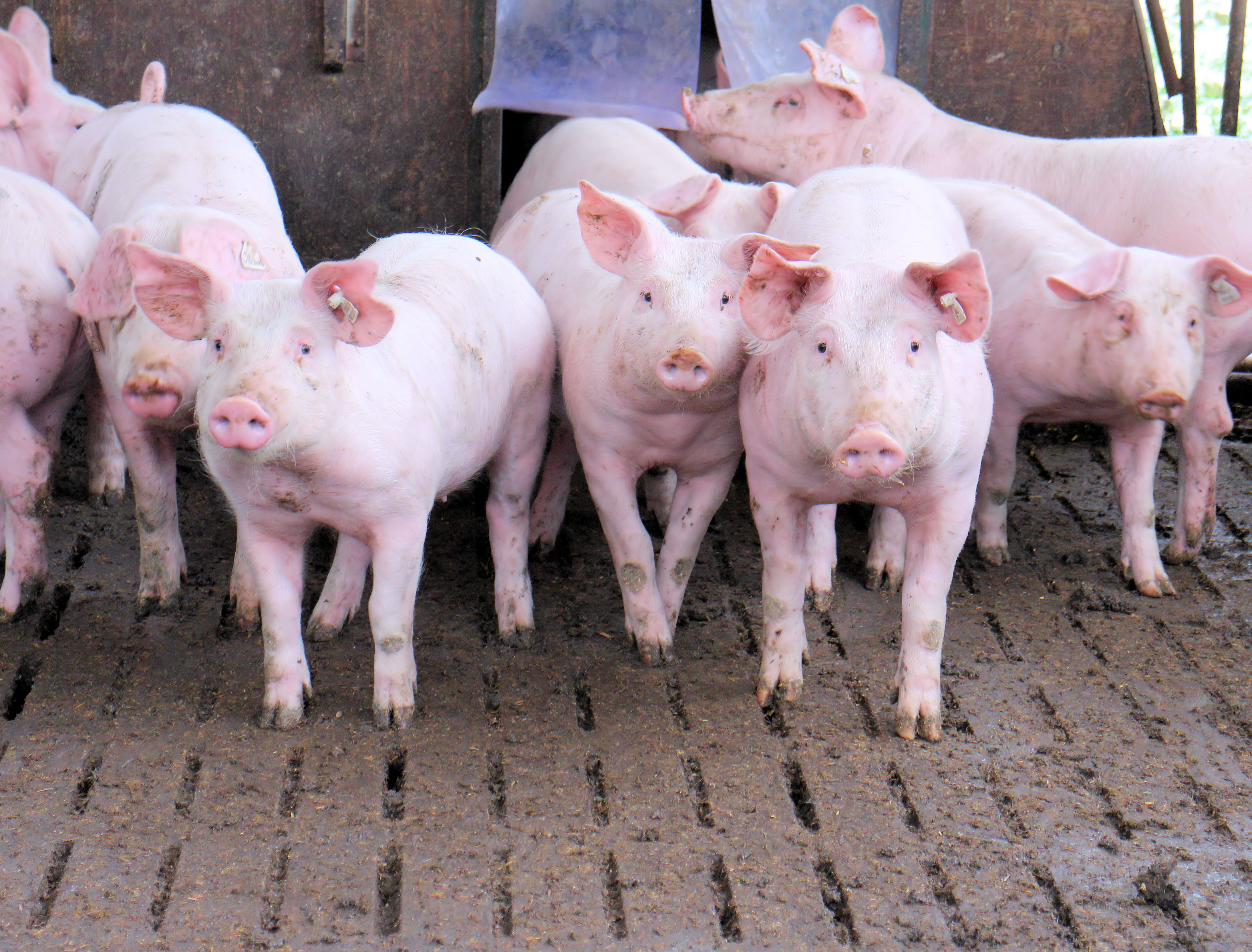
The UK government announced last Thursday (14) an update to its measures for preventing and responding to African Swine Fever, focusing on protecting the pig farming chain and local industry in the event of an outbreak of the disease. Although the country has never recorded cases of ASF, authorities reinforced that the revised strategy is part of preventive plans in the face of the disease's spread in different regions of the world. The disease, originally concentrated in areas of Asia and Africa, has also been spreading to parts of Europe in recent years, such as Spain, driven mainly by the movement of wild boars and the transport of contaminated meat. According to the British government, the new strategy adopts a more flexible and risk-based model, seeking to control any outbreaks without imposing excessive restrictions on rural producers. The plan incorporates the latest scientific and veterinary evidence and has been aligned with international sanitary control practices. Among the main changes is the creation of new restricted sanitary control zones — designated Restricted Zones 1, 2, and 3 — which may be implemented according to the severity of the epidemiological situation. The objective is to avoid broad restrictions on the movement of live pigs and derived products, reducing problems such as overcrowding on farms and interruptions in production activities. The strategy, developed in partnership with the governments of Scotland and Wales, also expands sanitary surveillance requirements. Official veterinarians will begin conducting inspections on properties located in the control zones to verify compliance with sanitary regulations. In addition, the government reported that new testing protocols will allow for faster detection of possible infections, facilitating the early lifting of restrictions if there is no circulation of the virus. Another planned measure is the expansion of the risk-based movement licensing system.
This text was translated by machine from Brazilian Portuguese.