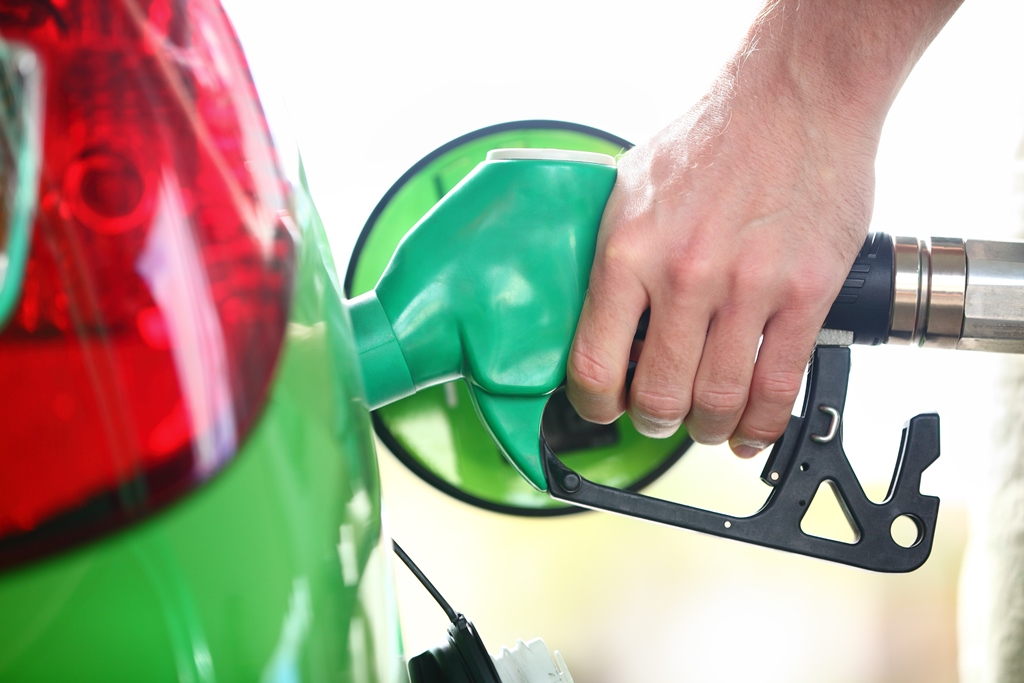
Hydrated ethanol has widened its competitive advantage over regular gasoline, reaching its highest level in the last eight years, since 2018. In São Paulo, the average price of hydrated ethanol reached R$ 3.70/liter and gasoline R$ 6.39/liter last week. The data comes from the National Agency of Petroleum, Natural Gas and Biofuels (ANP). Applying the technical yield differential of 73%, the equivalent price of hydrated ethanol would be R$ 5.07/liter. This guarantees the consumer an effective saving of R$ 1.32 per liter driven, resulting in R$ 79.29 saved considering a 60-liter tank. The advantage is the largest in the last eight years, since 2018, and the second largest observed since the beginning of the ANP price series in 2013. With varying magnitudes, this saving offered by hydrated ethanol is registered in most of the market. According to the ANP (National Agency of Petroleum, Natural Gas and Biofuels), all municipalities surveyed in São Paulo, Paraná, Goiás, Mato Grosso, Mato Grosso do Sul, and Minas Gerais presented ethanol that was competitive compared to gasoline. This result shows that where there is a greater presence of the sugarcane energy chain, structured supply, and efficient logistics, the benefit effectively reaches the consumer at the pump. In São Paulo, the country's main market, the average parity was 57.9%, while in Mato Grosso the parity reached 55.0%, and the price difference reached R$ 3.06, with hydrated ethanol sold at R$ 3.74 and its fossil fuel competitor at R$ 6.80. For UNICA (Brazilian Union of the Sugarcane and Bioenergy Industry), the savings offered by ethanol are especially important during this period of geopolitical volatility, which imposes inflationary risks on countries that import petroleum derivatives worldwide. Ethanol, therefore, mitigates exposure to global supply shocks and increases the competitiveness of Brazilian fuel supply. While fossil fuels face international pressure, Brazilian ethanol has a recent history of increasing production and maintaining an economic advantage for consumers. Brazil has a robust supply and installed production capacity, allowing it to replace external dependence with a national solution. This scenario expands the participation of biofuels in the Brazilian energy matrix, making it cleaner and more sustainable. In this sense, in accordance with the Fuel of the Future Law, which seeks to promote low-carbon sustainable mobility, in addition to the availability of pure hydrated ethanol at the pumps, the country increased the mandatory blending of anhydrous ethanol in gasoline from 30% to 32%, which came into effect on August 1st. Increasing the blend to E32 is not only an environmental issue, but a macroeconomic policy, strengthening a national and renewable solution in the energy field. Brazil imported approximately 3.5 billion liters of gasoline in 2025, according to the ANP (National Agency of Petroleum, Natural Gas and Biofuels). The implementation of E32 reduces the need to import gasoline by a volume ranging from 800 million to 1 billion liters per year, according to industry estimates. With this, the consolidation of E32 guarantees greater protection of fuel costs in Brazil against instabilities in international prices. “The greater participation of ethanol in the energy matrix represents an efficient alternative to replace imported and more expensive fossil fuels with domestically produced biofuel, generating income, employment, savings for consumers and lower greenhouse gas emissions,” emphasizes Luciano Rodrigues, Director of Sectoral Intelligence and Regulation at UNICA.
This text was translated by machine from Brazilian Portuguese.