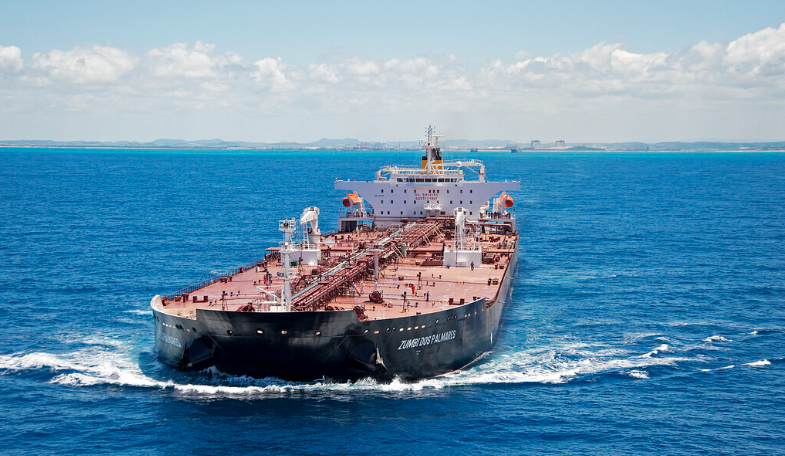
A resolution calling for the opening of the Strait of Hormuz to traffic was vetoed on Tuesday (7) at the UN Security Council. The text, drafted by Bahrain and supported by the countries of the Gulf Cooperation Council, requested maritime security, protection of civil infrastructure and the need to safeguard freedom of navigation. :: Attacks and counter-attacks According to "UN News", after being put to a vote, the proposal received 11 votes in favor, two against and two abstentions. The votes against from China and Russia, two permanent members of the Council with veto power, prevented approval. Disruptions in the Strait have been occurring since the beginning of the conflict in the Middle East following the attacks by Israel and the United States on Iran and the counter-attacks by Iran on February 28. The measure is affecting the global fuel supply market and other areas. About 20% of the world's oil and gas consumption uses this maritime passage. The Strait of Hormuz is considered a crucial global maritime route. The vote comes amid rising tensions in the region, with recent weeks seeing an increase in incidents affecting commercial shipping and growing concerns about global energy supply and trade. :: Rotating Presidency In his speech to the Security Council following the rejection of the text, Bahraini Foreign Minister Abdullatif bin Rashid al Zayani, who chaired the session, lamented the Council's failure to approve the resolution and said that this will not change the serious reality currently unfolding in the region. He stated that the credibility of the Security Council is at stake. Bahrain holds the rotating presidency of the body this April. The Council has 15 member countries, five of which are permanent members with veto power. For a resolution to be adopted, it must receive at least nine votes in favor and no vetoes from the five permanent members: China, France, Russia, the United Kingdom, and the United States.
This text was translated by machine from Brazilian Portuguese.