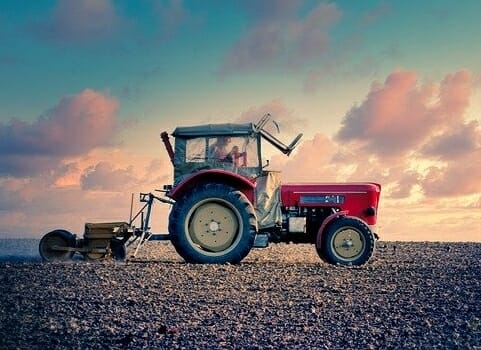
Tractor sales fell by 15.20% in the first four months of the year compared to the same period in 2025, while combine harvester sales fell by 44.70% on the same comparative basis, according to a report by the National Federation of Automotive Vehicle Distributors (Fenabrave), released on Wednesday (3). "Rural producers are still facing difficulties in investing. Among the main limiting factors are the devaluation of the dollar, high interest rates, and the conflict in the Middle East, which puts pressure on the costs of diesel and fertilizers, reducing the profitability of farmers. Tight margins and increased costs, coupled with high interest rates, are a negative equation for the renewal of agricultural machinery, such as tractors and combine harvesters," says Fenabrave president Arcelio Junior, who believes that the Move Agrícola Program, announced by the government in April but not yet implemented, could give some breathing room to the sector. "The debt renegotiation plan, which is being evaluated by the federal government, should also stimulate this sector, which remains in a holding pattern." In April, tractor sales fell 8.01% compared to March and 15.11% compared to the same month in 2025. In the case of combine harvesters, sales fell 56.09% in April compared to March and 41.30% compared to the same month in 2025. Focusing more closely on the tractor segment, the executive says the market remains under pressure, reflecting a more cautious environment in the productive sector. "The purchase decision is linked to the planning of the rural producer, who continues to have reduced margins and is heavily indebted. Although we have good harvest expectations, the cost of credit continues to pressure the segment, which is suffering successive declines." Furthermore, combine harvesters also registered a decline. "Because they involve higher added value, purchase decisions tend to be more spaced out and strongly influenced by credit conditions, income in the field, and crop planning," concludes Arcelio Junior. Fenabrave clarifies that, since they are not registered, agricultural machinery data is presented with a one-month lag, as it depends on surveys conducted with manufacturers.
This text was translated by machine from Brazilian Portuguese.