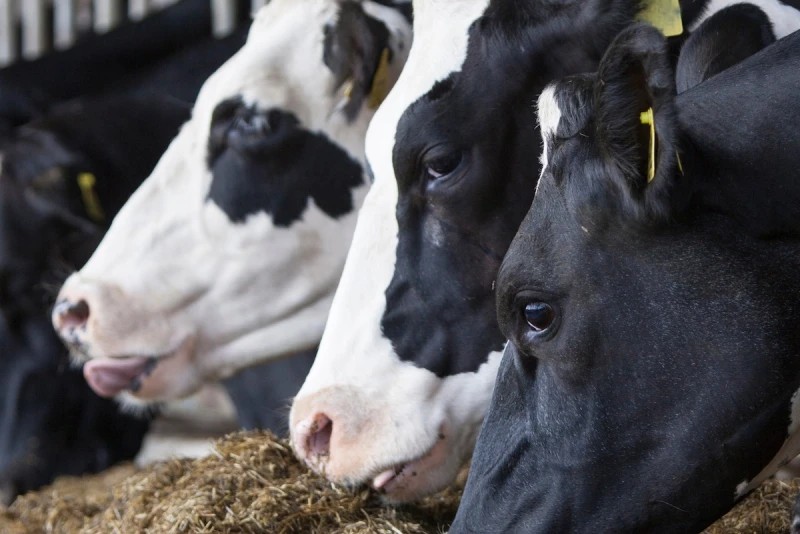
Mexican President Claudia Sheinbaum and US Secretary of Agriculture Brooke Rollins inaugurated a new sterile fly production plant in the state of Chiapas, southern Mexico, on Saturday (27). The unit is part of a joint strategy between the two countries to contain the spread of the New World fly (NWS). With an investment of over US$50 million, the plant will have the capacity to produce up to 100 million sterile flies per week. The insects will be released into the environment to reduce the reproduction of the wild population of the pest, a technique considered one of the main tools for controlling the NWS. According to the Animal and Plant Health Inspection Service (APHIS)of U.S. Department of Agriculture (USDA)Since the beginning of this month, 27 outbreaks of the pest have been confirmed in North American territory. So far, all cases have been registered in domestic animals: 16 in cattle, seven in sheep, three in goats, and one in a dog. With the new unit in operation, the production capacity of sterile flies should practically double, exceeding the volume currently produced by the factory. Panama–United States Commission for the Eradication and Prevention of Cattle Screw-Fly (COPEG)in Panama. The Panamanian facility is operating at maximum capacity, producing approximately 100 million sterile flies per week, which have recently been released along the US-Mexico border, especially near the state of Texas.
This text was translated by machine from Brazilian Portuguese.