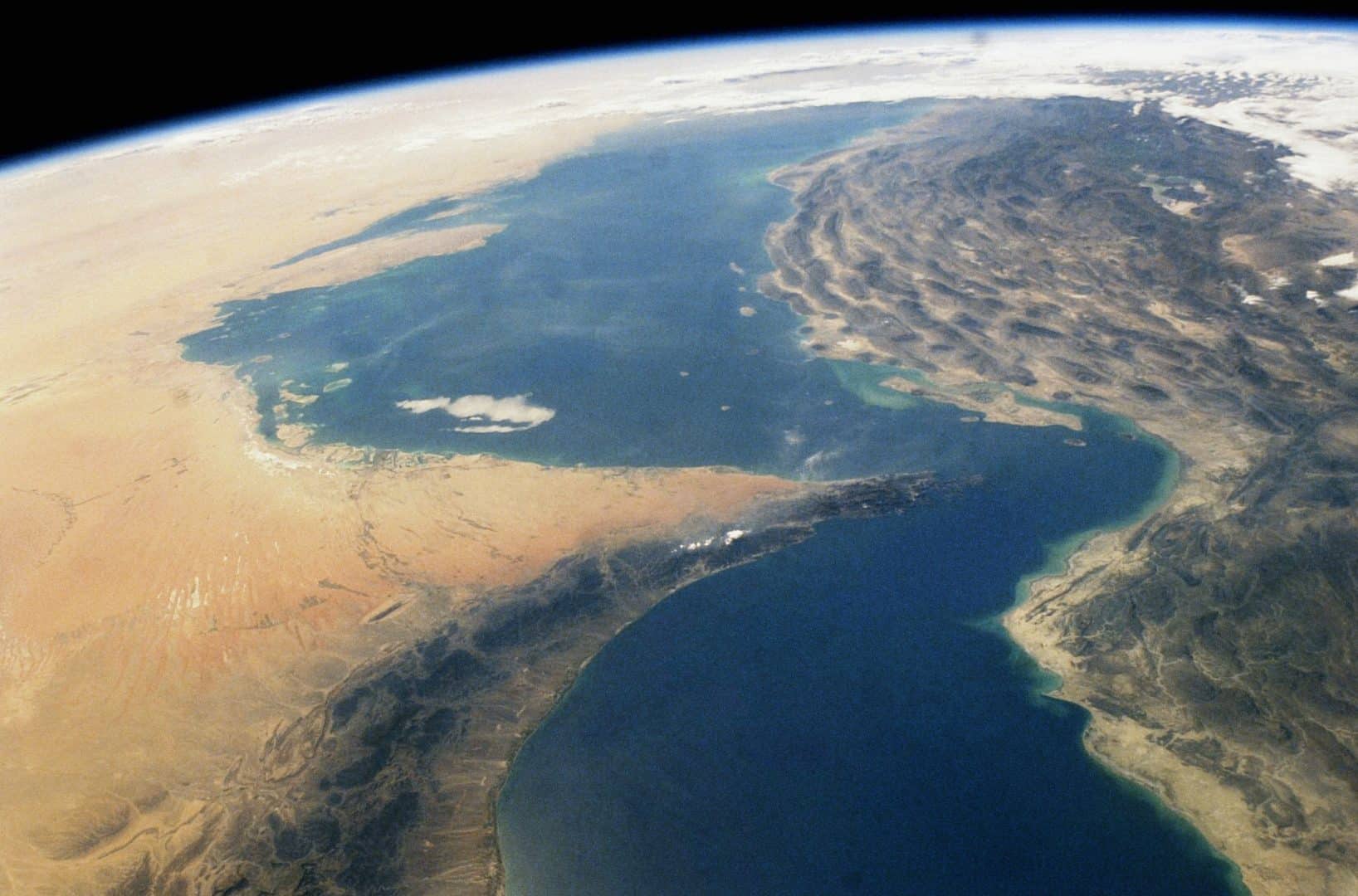
Amid deepening uncertainties about the end of the conflict in the Middle East and the persistence of the crisis in the Strait of Hormuz, the United Nations is intensifying calls for an end to the war in the face of cascading crises. From trade strangulation to soaring prices, the current scenario exposes the fragility of the global economy dependent on risky routes and fossil fuels. :: Urgency of the energy transition In a video message to participants of the Petersberg Climate Dialogue on Tuesday (21), Secretary-General António Guterres described the current situation as the “most serious energy crisis in a generation,” according to a note from “UN News.” For Guterres, it is a clear fact that “dependence on fossil fuels not only drives the destruction of the planet but keeps world economies hostage to instability and escalating costs.” The UN leader argues that clean energy is the only safe path to the future, calling for accelerated investments, robust infrastructure, and greater funding to enable a global transition. The energy dependence cited by Guterres clashes with the humanitarian and commercial crisis on the high seas. The International Maritime Organization (IMO) is following the impact of the instability on global transport with "extreme concern." Logistics in the Strait of Hormuz: During a visit to Singapore, the Secretary-General of the UN agency, Arsenio Dominguez, addressed the events experienced by maritime professionals. With maritime transport paralyzed in the Strait of Hormuz, one of the world's most important logistical passages, approximately 20,000 sailors and up to 2,000 ships are stranded. Extreme stress and fatigue are already affecting the blocked crews. Before the escalation of the conflicts, which began in February, the waterway was responsible for the transit of a quarter of the global oil trade by sea, in addition to high volumes of natural gas and fertilizers. Dominguez appealed for international solidarity, thanking the countries that have already sent support lines and food supplies. He requested the provision of free internet so that isolated crews can contact their families. :: Gaza and Lebanon At the epicenter of the crisis, the human impact is reaching unsustainable levels. In the Gaza Strip, prices are skyrocketing and basic survival items, such as cooking gas, have practically disappeared. The scarcity is so severe that many children resort to burning pieces of plastic and cardboard to cook or keep warm. Amid the rubble, the UN Relief and Works Agency for Palestine Refugees (UNRWA) is helping to create safe spaces, offering psychosocial support and learning opportunities to help young people cope with the trauma. Meanwhile, the United Nations Office for the Coordination of Humanitarian Affairs (OCHA) continues to document the daily casualties and extensive material damage caused by military operations and acts of violence in settlements. :: Ripple effect on the global economy In Lebanon, the humanitarian emergency persists regardless of the ceasefire. Displaced families trying to return to their homes find a scenario of damaged infrastructure and severely restricted access to essential services. The turbulence is already being reflected in consumers' wallets and in regional macroeconomic projections. UN agencies warn that the conflict has caused a widespread increase in the costs of food, fuel, and fertilizers, impacting the budgets of the most vulnerable populations. In both nearby and global markets, oil prices are experiencing large fluctuations, dictated by fears of prolonged disruptions in tanker traffic. :: Imminent economic slowdown The long-term consequences are already leading to a reshaping of the future of emerging markets. A new report from the UN Economic and Social Commission for Asia and the Pacific (ESCAP) projects an imminent economic slowdown. The study predicts that growth in developing economies in the Asian region will fall to 4% in 2026, a drop from 4.6% in 2025. At the same time, regional inflation is expected to jump from 3.5% to 4.6%, confirming fears that instability in the Middle East will exact a long-lasting global price.
This text was translated by machine from Brazilian Portuguese.