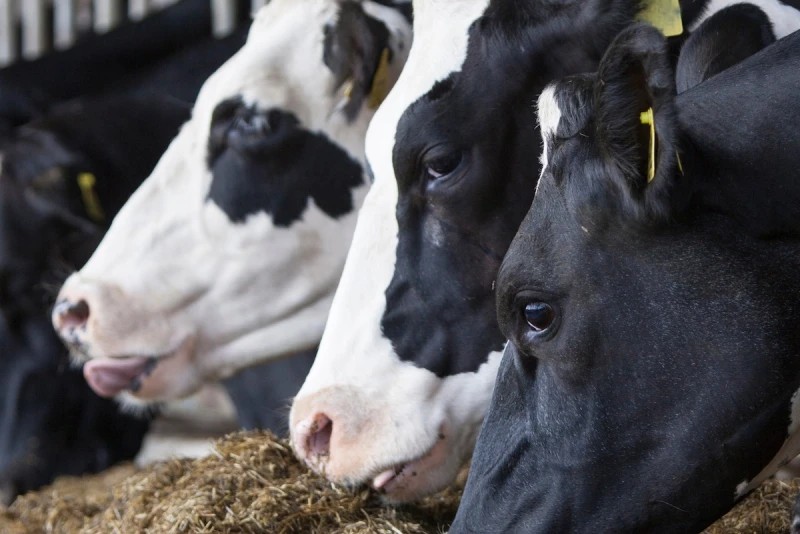
THE International Atomic Energy Agency (IAEA) and the Food and Agriculture Organization of the United Nations (FAO) On Friday (19), they announced a US$1 million investment in research to strengthen the fight against the New World Screwworm (NWS) in the Americas. The investment will be primarily directed towards developing solutions to increase the production of sterile flies, considered one of the main tools to control the spread of the pest. The technique consists of releasing insects sterilized by radiation. When they cross with wild flies, these insects do not produce offspring, gradually reducing the pest population in the affected areas. According to UN agencies, emergency containment efforts may require the production of up to 600 million sterile flies per week. Currently, the only operational facility dedicated to this purpose is located in Panama and has the capacity to produce around 100 million insects weekly. The expectation is that new facilities under development in Metapa de Domínguez, Mexico, and Mission, Texas, will increase the supply by up to 400 million sterile flies per week in the coming years. International concern has increased following the reintroduction of the pest in Central American countries and Mexico. This month, health authorities also confirmed an outbreak in the US, marking the first occurrence of the blowfly in the country in more than four decades. The NWS is considered one of the most impactful pests for livestock, as its larvae feed on living animal tissue, causing serious injuries, loss of productivity and, in extreme cases, death of the hosts.
This text was translated by machine from Brazilian Portuguese.