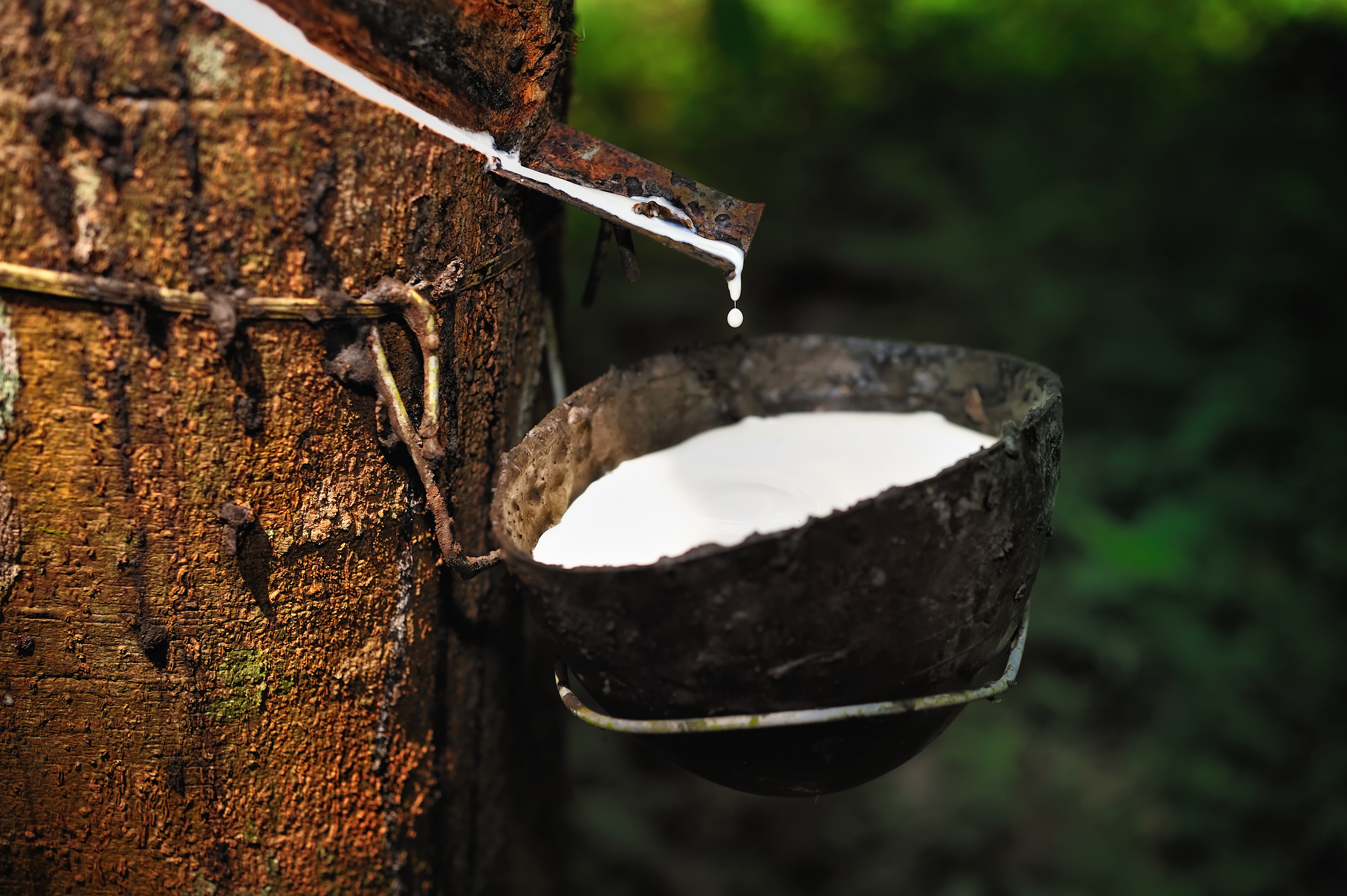
The Indian government announced last week that it has completed the planting of 180,000 hectares of rubber trees in the eight northeastern states of the country, as part of the Indian Natural Rubber Operations for Assisted Development (INROAD) project. The initiative was launched during the 2021/22 season by the Rubber Board – an agency linked to the Indian Ministry of Trade and Industry – and aims to implement 200,000 hectares of rubber trees in the region by the end of the 2026/27 cycle, in addition to providing technical support and training for local producers. In practice, the project seeks to boost national natural rubber production, improve the quality of life of more than 250,000 farmers, and reduce the country's dependence on imports of the commodity. Through a public-private partnership with the government, the main funder of INROAD is the Auto Tire Manufacturers Association (ATMA), which consumes more than 70% of the natural rubber produced in India. In the 2025/26 crop year – which ended in March of this year – Indian natural rubber production totaled 905,000 tons, a 3.4% increase compared to the 875,000 tons recorded in the 2024/25 season. Domestic consumption also showed growth in that cycle, increasing by 1.2% to 1.427 million tons. It is estimated that, by 2030, the country will need approximately 2 million tons of natural rubber per year.
This text was translated by machine from Brazilian Portuguese.