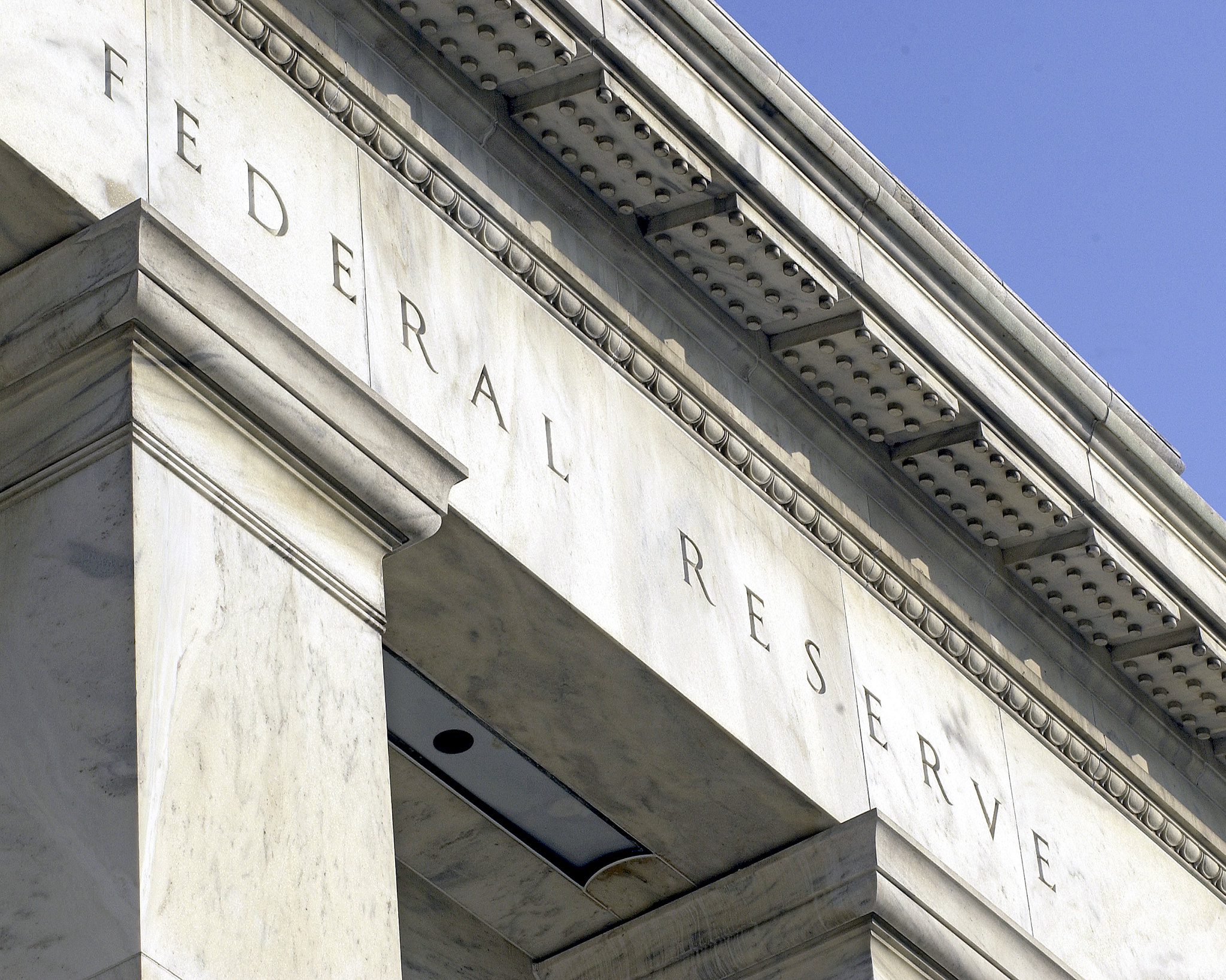
In a speech at Harvard University this Monday (30), the president of Federal Reserve (Fed)Central Bank President Jerome Powell advocated a cautious stance regarding the effects of the war in the Middle East—involving the United States, Israel, and Iran—on inflation and economic activity. "We believe our policy is in a good position to wait and see how this unfolds," Powell stated. With the conflict now over a month old and gasoline prices in the US rising to around $4 per gallon, the American central bank faces a potential dilemma between its two main mandates: ensuring full employment and maintaining price stability. According to Powell, despite recent pressures, inflationary expectations remain relatively controlled in the longer term. "Inflation expectations appear to be well anchored beyond the short term. But even so, it's something we may eventually have to address. We're not addressing this issue yet because we don't know what the economic effects will be, but we will certainly take this broader context into account when making that decision," he emphasized. Earlier this month, the Fed opted to keep the basic interest rate in the range between 3.50% and 3.75% per year.
This text was translated by machine from Brazilian Portuguese.