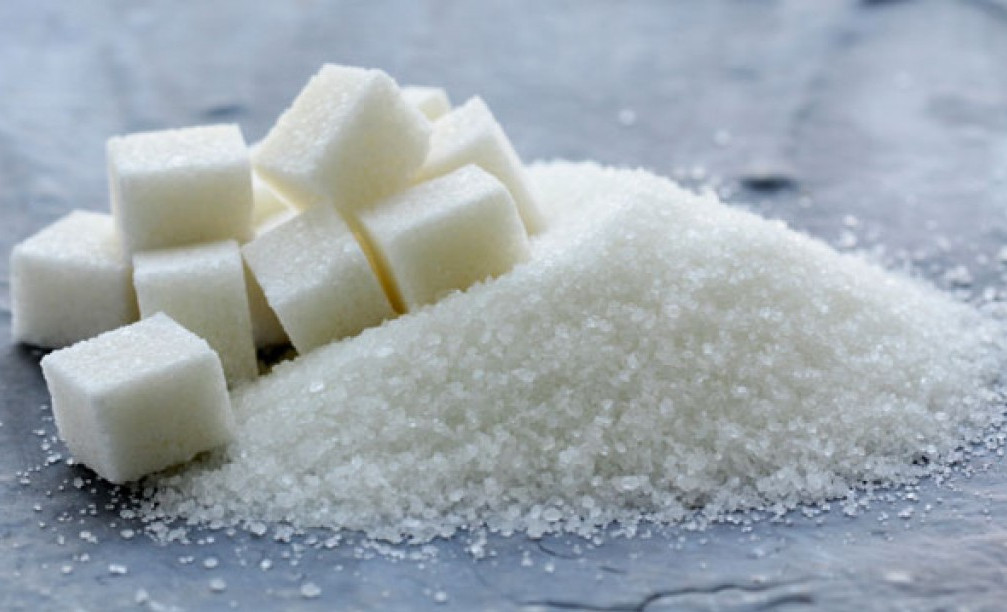
Brazilian sugar exported to the United States under the quota system was excluded from the new 12.5% surcharge applied by the Donald Trump administration to other products. This information comes from the CEO of the Association of Sugar, Ethanol and Bioenergy Producers (NovaBio), Renato Cunha, based on a decision by the Office of the United States Trade Representative (USTR) this Thursday (23). Therefore, sugar exported to the US under the quota will only be subject to the previous tariff of 25%, and only what is eventually shipped beyond the quota will pay a 37.5% tariff. The quota is operated exclusively by mills in the North and Northeast regions, according to Law No. 9,362/1996, which reserves the export of sugarcane derivatives to preferential markets for these regions. On the other hand, in the same dispatch, the USTR cut Brazil's share of the tariff quota from 156,000 tons to 100,000 tons starting in fiscal year 2027, which begins in October. “This reduction could be lasting or temporary; the volume could return to Brazil or be distributed among the other 38 countries covered by the quota system. It's a measure that fuels the back-and-forth of unpredictability, which ultimately causes all sorts of disruptions in the sugarcane sector. We will monitor the developments,” notes Cunha, who also chairs the Sugar and Alcohol Producers Union in the State of Pernambuco, Sindaçúcar-PE. Ethanol In the case of ethanol, the United States is demonstrating that it wants free access to the Brazilian market without any reciprocal obligations. "The US has a surplus of ethanol, either because they are not advancing in increasing the blending in gasoline, as well as due to the strength of the local oil industry, and they aim to change this situation by wanting to sell the biofuel to Brazil, which has absolutely no need to import it," explains the CEO of NovaBio. "The great truth is that our sugar exports remain subject to quotas, and the US still wants to export ethanol to us tax-free. This ends up not being a negotiation, but rather an imposition," emphasizes Cunha, who concludes: "the protectionism does not come from us, but from them, given that in addition to our sugar exports being subject to quotas, they have also reduced the volume of the next cycle from 156,000 tons to 100,000 tons."
This text was translated by machine from Brazilian Portuguese.