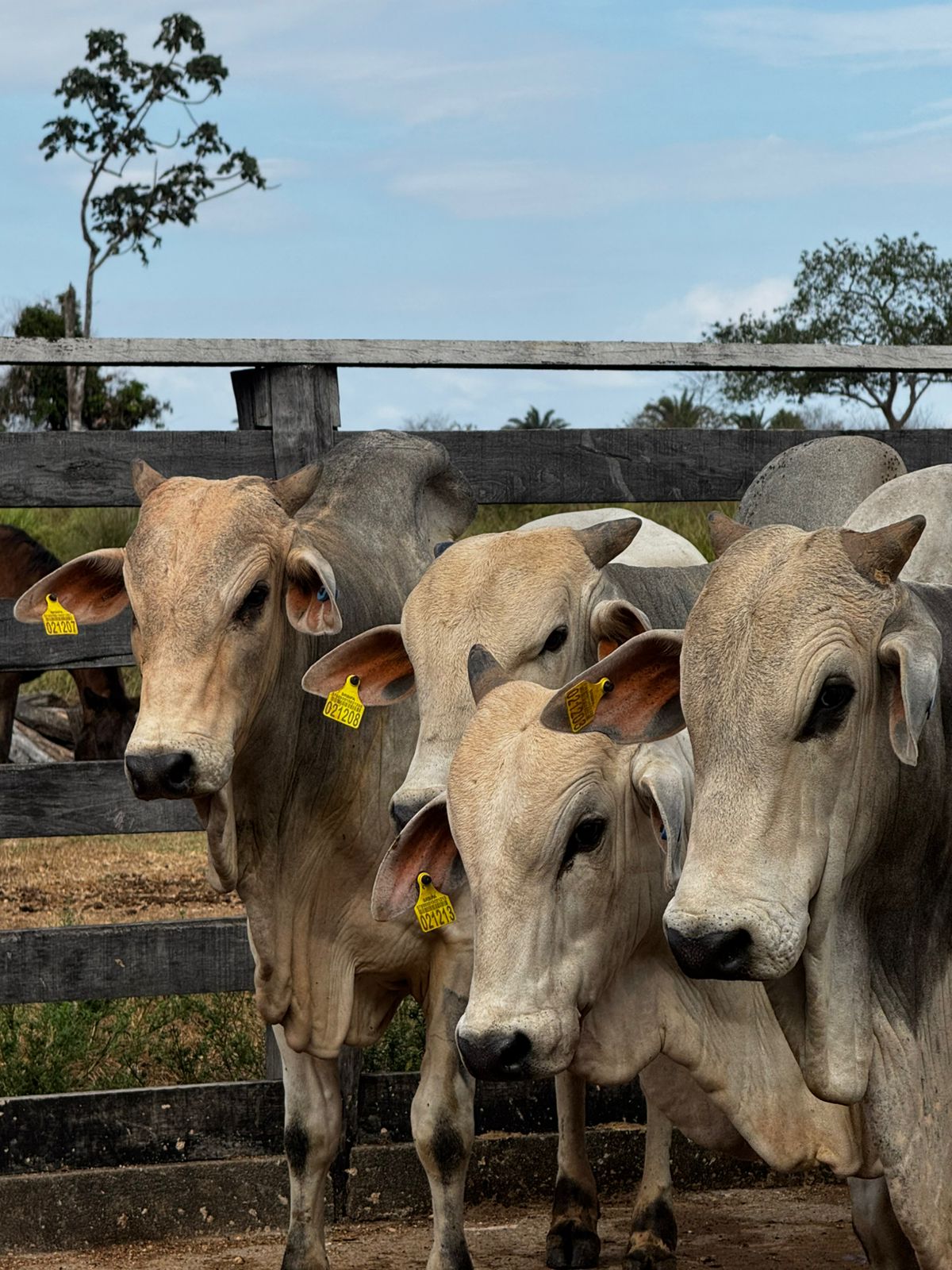
Brazil already has an advanced capacity to monitor the soy and beef production chains, but needs to advance in the integration of available instruments. This was one of the conclusions of researchers who analyzed 21 socio-environmental monitoring and traceability initiatives of two of the main products of national agriculture. The result was the study Tracing Responsibility: strengthening deforestation monitoring in Brazil's soy and beef supply chains, launched this Tuesday (28) by the environmental organization WRI Brasil, says a note from "Agência Brasil"The objective is to understand Brazil's current capacity to keep up with the growing demands of the international market. Of the 21 initiatives studied, ten focused on the soybean production chain and another 11 adopted in beef production were analyzed. These instruments seek to support the monitoring and verification of production processes in the Amazon and Cerrado biomes. Based on the analysis and comparison between the initiatives, ten recommendations were identified that can improve current control instruments and serve as guidance for public policies.
Study recommendations:
Adoption of rural property as a monitoring unit; Use of official sources with governmental and scientifically validated data; Verification of compliance with the Brazilian Forest Code and absence of violations related to forced labor; Implementation of independent third-party audits and publication of transparency reports; Expansion of monitoring to all biomes; Ensuring that no illegal deforestation has occurred according to the 2008 Temporal Framework; Promoting zero deforestation after August 2020 in line with national commitments and international market requirements; Establishing mechanisms to monitor the entire supply chain, including indirect suppliers; Developing systems for the reintegration of non-compliant suppliers, after corrective actions and proof of regularization; Establishing participatory and multi-sectoral supervision of management and improvement.
International market
The director of the Forests and Land Use Program at WRI Brazil, Mariana Oliveira, believes that improved traceability can influence a more sustainable territorial development model in rural areas. Researchers believe that the guidelines also have the capacity to integrate different actors involved in the need for traceability in production chains, through commitments and shared responsibility. “Today, we already have cases of financial institutions, for example, in Brazil, that check against official and unofficial databases. And we can think about how we can bring this to global institutions – development banks, investors – so they can also incorporate it into their risk analyses,” says Mariana. China, which imported US$44.6 billion worth of soybeans and beef from Brazil in 2024, is an example of an actor that could benefit from an established protocol for the traceability of these goods, the study points out. With the integration of databases and harmonization of technical criteria across various levels of government, purchasing countries would have greater ease and transparency in assessing socio-environmental risks. For this reason, researchers highlight the importance of Brazil working in cooperation with these large markets, such as China. Mariana emphasizes that reflections on building structured and efficient traceability systems go beyond meeting market demands; they also seek to bring sectors closer to a development model sought by those who are effectively at the forefront of commodity production, such as soy and beef. “A development model that truly promotes socioeconomic benefits, opportunities, jobs, income for rural producers, and quality of life in the countryside. All of this involves a focus on innovation and mechanization, and this cooperation with China has great potential,” she concludes.
This text was translated by machine from Brazilian Portuguese.