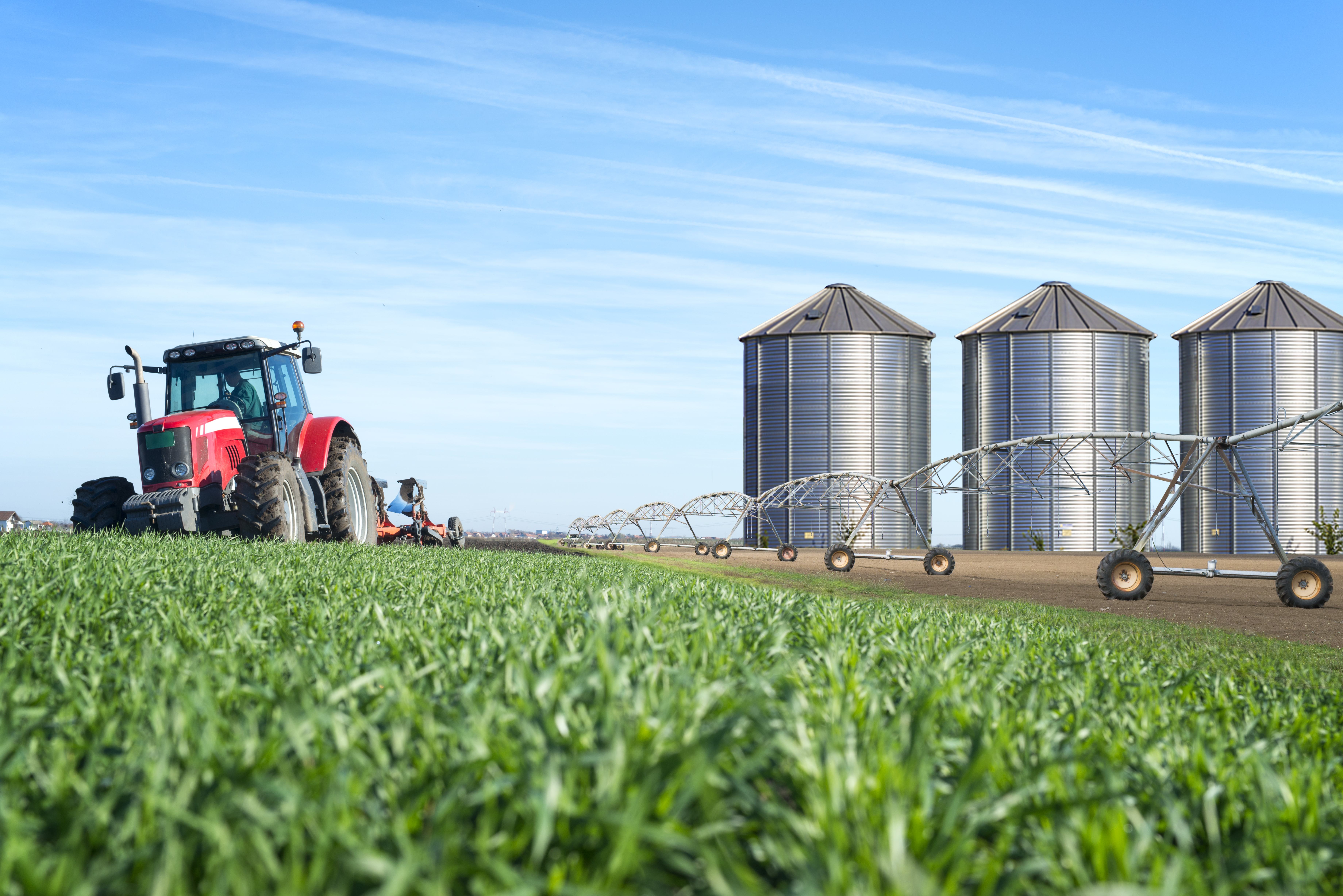
Brazil's static grain storage capacity reached 210.5 million tons at the beginning of 2026, according to data released by… Brazilian Institute of Geography and Statistics (IBGE) The volume represents a 3.6% growth compared to the beginning of the previous year, driven mainly by the expansion of infrastructure in the states of Mato Grosso, Mato Grosso do Sul, and São Paulo. Despite the progress, available capacity remains far from the volume produced by the country. According to… VIP Report from the DATAGROThe current storage infrastructure is equivalent to 58.6% of Brazil's grain harvest, estimated at 359.4 million tons in 2025. This percentage is lower than that recorded in the same period last year, when capacity corresponded to 64.7% of production, although it represents an improvement compared to the 56.2% observed in January 2024, a period in which the country faced strong logistical and storage pressure. "The limited storage capacity reduces the bargaining power of agents, often forcing the sale of production at less favorable market times," highlights the report. DATAGROThe consultancy emphasizes, however, that a direct comparison between static capacity and total production should be analyzed with caution. This is because Brazil's main crops—especially soybeans and second-crop corn—are harvested at different times, distributing part of the storage demand throughout the year. Even so, the sector remains dependent on a consistent sales pace to avoid logistical bottlenecks. The greatest pressure on warehouses usually occurs at the beginning of a new harvest, when it is necessary to free up space for the newly harvested volumes. "Therefore, maintaining a steady flow of sales remains fundamental to reducing pressure on storage infrastructure and avoiding imbalances in the system," concludes the consultancy. DATAGROFor more details, visit the VIP Report in analysis session of DATAGRO Portal.
This text was translated by machine from Brazilian Portuguese.