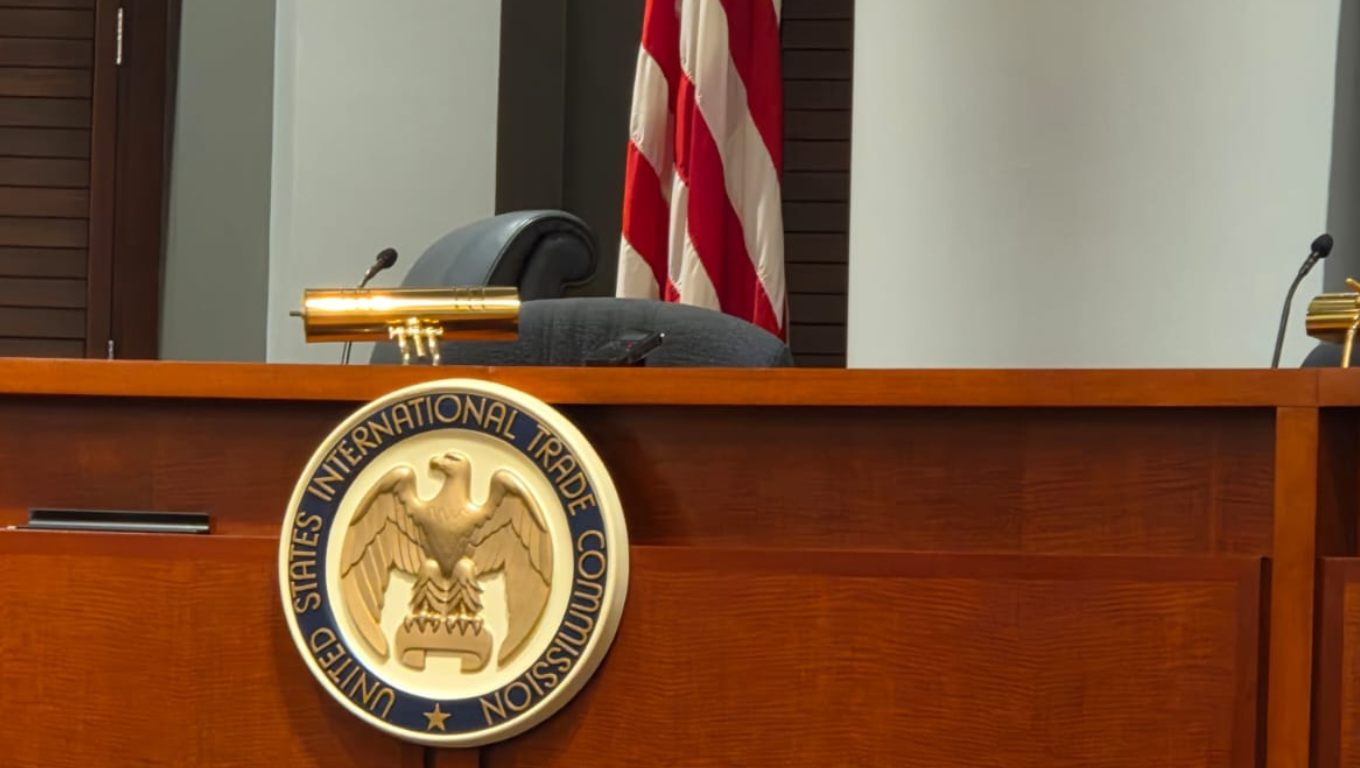
The vice president of Brazilian Rural Society (SRB), Marcelo Junqueira, defended Brazilian agribusiness this Monday (6), in Washington, during a public hearing promoted by Office of the United States Trade Representative (USTR), which discusses the proposed application of 25% rates about Brazilian products within the scope of Section 301 of US commercial law. Considered by the Brazilian private sector to be the main opportunity to try reverse or reduce the measure before the final decision, scheduled for July 15ththe audience It brought together representatives from different sectors. affected by the tariff proposal. In his statement, Junqueira contested the conclusions of the USTR report, which points to alleged failures in environmental oversight Brazilian and associates the national agribusiness to the illegal deforestationAccording to him, the assessment presents a "fundamentally flawed characterization" of the country's environmental legislation. "The report accuses the Brazil to tolerate illegal deforestation "as a systemic practice. The data shows exactly the opposite," he stated. To support his argument, the leader cited studies from… Embrapa and from NASA which indicate that only 7.6% of Brazilian territory It is used for production. agriculture, while More than 66% of the native vegetation remains preserved.He also highlighted that the Brazilian Forest Code is among the the most rigorous in the worldby requiring legal reserves of up to 80% in the Amazon, in addition to permanent preservation areas and the georeferenced registration of rural properties. Junqueira also refuted the claim that the Brazil do not cross information from land records with satellite monitoring data. According to him, the country operates systems such as the PRODES and the DETERof National Institute for Space Research (INPE), which fully monitor the Legal Amazon and issue daily deforestation alerts. According to the SRB representative, official data shows 11.08% drop in deforestation in the Amazon between August 2024 and July 2025, in addition to 11.49% reduction in the Cerrado, highlighting progress in environmental enforcement. When discussing the economic impacts of the measure, Junqueira emphasized that the trade relationship between Brazil and the United States It is complementary and that Imposing tariffs would affect both countries."Our countries do not compete with each other; they complement each other in their production chains. A tariff that weakens the…" Brazilian agriculture It will also be harmful. American suppliers of inputs, machine manufacturers and consumers from the United States" he stated. In concluding his presentation, the SRB vice-president He argued that the tariff proposal lacks support in facts presented. "To the evidence They are clear. A legislation It's clear. And the proposed measure is definitely not the solution," he concluded.
This text was translated by machine from Brazilian Portuguese.