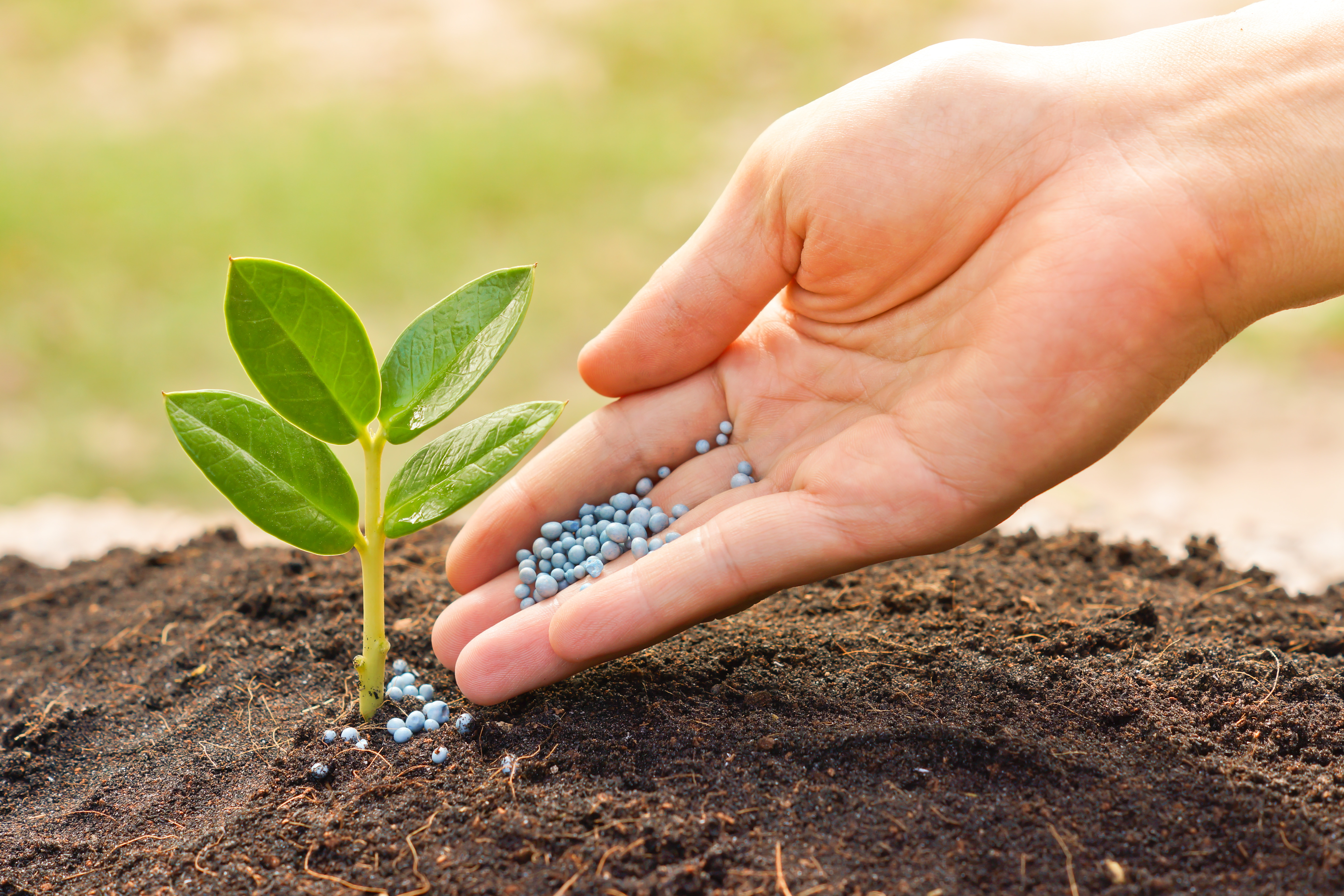
The biofertilizer and specialty fertilizer market ended 2025 with revenues of R$ 25.4 billion, a result 5.5% lower than that recorded in 2024. This data is part of a market intelligence report from the Brazilian Association of Plant Production Technology Industries (Abisolo), published in the entity's 2026 Yearbook. Although Brazilian agriculture harvested a robust crop, the economic environment remained challenging throughout 2025. The sector was impacted by increased production costs, high interest rates, restricted credit availability, agricultural defaults, and the difficulty of passing on increased costs to the market. According to Roberto Levrero, president of Abisolo's Deliberative Council, the performance below that recorded in 2024 directly reflects the difficulties faced by rural producers throughout the year. “The year 2025 was marked by an extremely challenging environment for rural producers and, consequently, for the entire input supply chain. The complexity of these factors led farmers to postpone decisions, push for lower input prices, and seek greater caution in production management,” analyzes Levrero. According to the survey, the segments considered more “commoditized” felt greater pressure on prices and margins, while higher value-added products showed more resilient behavior, supported by the producer's perception of the importance of these technologies for increasing productivity and mitigating risks in the field. Despite the overall decrease in revenue, there was no significant reduction in sales volumes, demonstrating the continued relevance of specialty fertilizers and biofertilizers in agricultural management. Biofertilizers registered growth of 76.7%, driven mainly by the increase in the number of product registrations with the Ministry of Agriculture – which contributes to the consolidation of statistical data; by the continued increase in adoption; and by the expansion of the number of companies operating in the segment. Meanwhile, organic fertilizers saw a 58.5% increase, a movement favored by the recovery of average selling prices in 2025. Soybeans expanded their share of sector sales, rising from 44.1% in 2024 to 48.6% in 2025, consolidating themselves as the main consumer crop of these inputs. Minas Gerais remained the leading consumer state, accounting for 22% of the sector's revenue in 2025. “The economic situation put pressure on the entire chain. The sector continues to demonstrate adaptability and a strong commitment to innovation and sustainability. Producers continue to understand that productivity will be increasingly crucial to preserving profitability,” adds Levrero.
The Organic-Based Soil Conditioner Market in 2025
The organic-based soil conditioner segment showed growth of 19.4% in 2025 compared to the previous year, reaching revenues of R$ 154 million. A significant part of this result is associated with the recovery of average sales prices throughout the period. Products classified as "Class F" were the main drivers of the segment's growth, registering revenues 71.4% higher than those observed in 2024.
The Plant Substrate Market in 2025
The plant substrate market ended 2025 with revenues of R$ 517.2 million, a 22.8% increase compared to the previous year. This result was mainly influenced by the increase in product prices, stemming from the scarcity of important imported raw materials. Crops such as coffee and flowers increased their adoption of substrates in 2025, while the forestry and sugarcane seedling segments registered a decline. For 2026, the industry expects continued pressure on costs, especially due to dependence on imported raw materials and the still unstable economic scenario. “The sector continues to invest in research, development, and innovation because it understands that productivity, efficiency, and sustainability will be increasingly strategic factors for Brazilian agriculture. Even in a challenging scenario, the demand for high-performance technologies remains relevant,” concludes Levrero.
This text was translated by machine from Brazilian Portuguese.