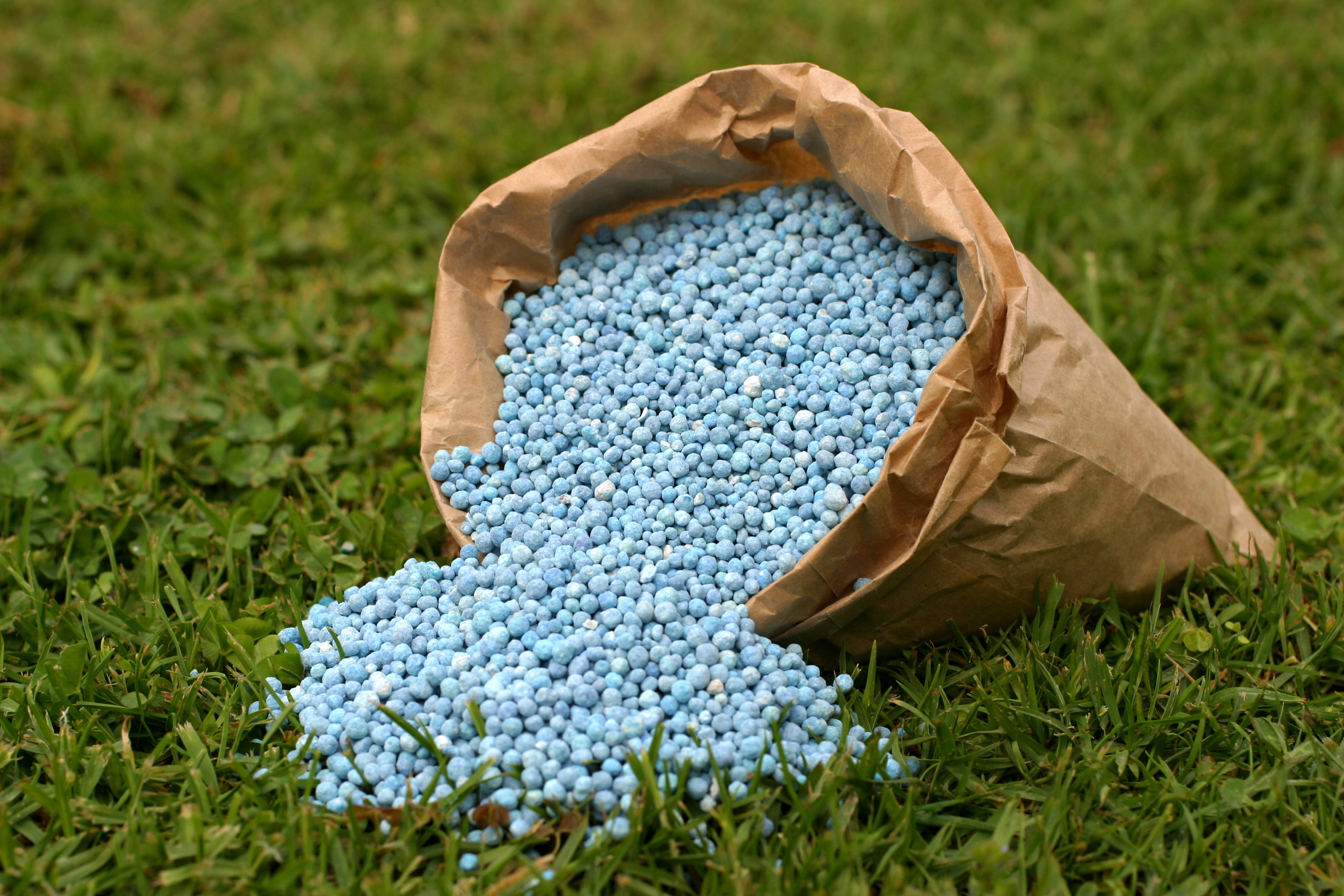
The crisis facing the Brazilian fertilizer market due to the repercussions of the wars in the Middle East and between Russia and Ukraine puts the 2026/2027 soybean harvest at risk, with planting beginning in September. In addition to logistical risks, product shortages, and widespread cost increases, the uncertainty is exacerbated by farmers' delays in acquiring inputs. "The combination of global and domestic factors, such as the PIS/COFINS tax on agricultural inputs and the minimum freight rate table, should reduce fertilizer use and, consequently, decrease agricultural production compared to estimates for the 2025/2026 harvest, meaning that we will hardly reach the record production achieved in the last harvest," says the president of the Union of Fertilizer and Agricultural Corrective Industries in the State of Paraná (Sindiadubos-PR), Aluisio Schwartz. According to him, currently only about 50% of the fertilizers needed for the soybean harvest have been negotiated, when historically, the normal figure for this time of year is already over 60%. “The market at the retail level has stalled due to price increases, but this delay creates an imminent risk of shortages and logistical bottlenecks,” he points out, citing that purchases for the peak months of fertilizer arrivals at ports (June to August) are not happening in May. “If demand picks up at the last minute, the country could face bottleneck problems at the ports, with an accumulation of ships and long waiting times, which could reach up to 60 days,” he predicts. The president of Sindiadubos-PR recalls that last year, at this time, there were already queues of 10 to 15 days for docking, while today the ports are “calm”. “If farmers seek the same volume of fertilizers as last year at the last minute, they will not find it at all, because distribution companies are not taking advance purchase positions due to the risk of price drops and the high financial costs (interest rates of up to 20% per year) and storage costs,” analyzes Schwartz.
Risks
Given this scenario, he points out three risks for producers who delay the decision to purchase fertilizers: the product becoming more expensive, not having the product at the right time (being stuck in a queue of ships waiting to unload at the port), or even running out of stock. To avoid being harmed in any of these scenarios, the president of Sindiadubos-PR warns producers to act strategically to guarantee supply. However, Schwartz also points out that farmers are facing serious financial problems, such as the increase in judicial reorganizations, which restricts credit in the sector. “In addition, operational costs are higher, with producers absorbing 2% more for inputs due to the PIS/Cofins tax, which came into effect on April 1st, and Provisional Measure (MP) 1.343/26, which tightened the oversight of the minimum freight rate, not to mention the strong impact they are suffering from the high price of diesel,” he notes. According to the president of Sindiadubos-PR, this entire situation has increased the risk margin, with the cost of production approaching 50 to 55 sacks of soybeans per hectare, in an average production of 60 sacks. "This is a very tight and extremely high-risk calculation, especially with the possibility of climatic effects such as El Niño, which can cause drought in the Midwest," he notes.
International pressures
Amidst so much pressure, farmers are directly affected by geopolitical conflicts, both between Russia and Ukraine and between the United States and Iran, which have impacted the global supply chain. Drone attacks have hit various parts of different raw material and fertilizer production points in Russia, one of the largest suppliers of monoammonium phosphate (MAP), ammonium nitrate, and urea to Brazil. Meanwhile, import volumes of phosphates—both MAP and NPs (fertilizer composed of nitrogen and phosphorus) and single superphosphate—fell by approximately 900,000 tons from January to May of this year, compared to the same period in 2025. “However, the period with the highest volumes of arrivals in Brazil is from June to August, and, to date, China, which was a very important player in 2025, continues to have restrictions on phosphate exports. Furthermore, sulfur stocks in Chinese ports are at their lowest levels in the last five years,” points out Schwartz. Additionally, the closure of a plant in the national production of single superphosphate removes approximately 1 million tons of fertilizer annually from the market. The president of Sindiadubos-PR (the Paraná Fertilizer Industry Union) highlights that, due to the wars, the dollar cost of fertilizers has skyrocketed in recent months: MAP (mineralized phosphate) has risen by about 40%, triple superphosphate has increased by 50%, urea has become more expensive by more than 50%, and single superphosphate has even doubled in price. Due to the price increases and logistical difficulties, Sindiadubos-PR maintains its estimate of a 10-15% drop in fertilizer deliveries to Brazil in 2026, after a record 49 million tons last year.
This text was translated by machine from Brazilian Portuguese.