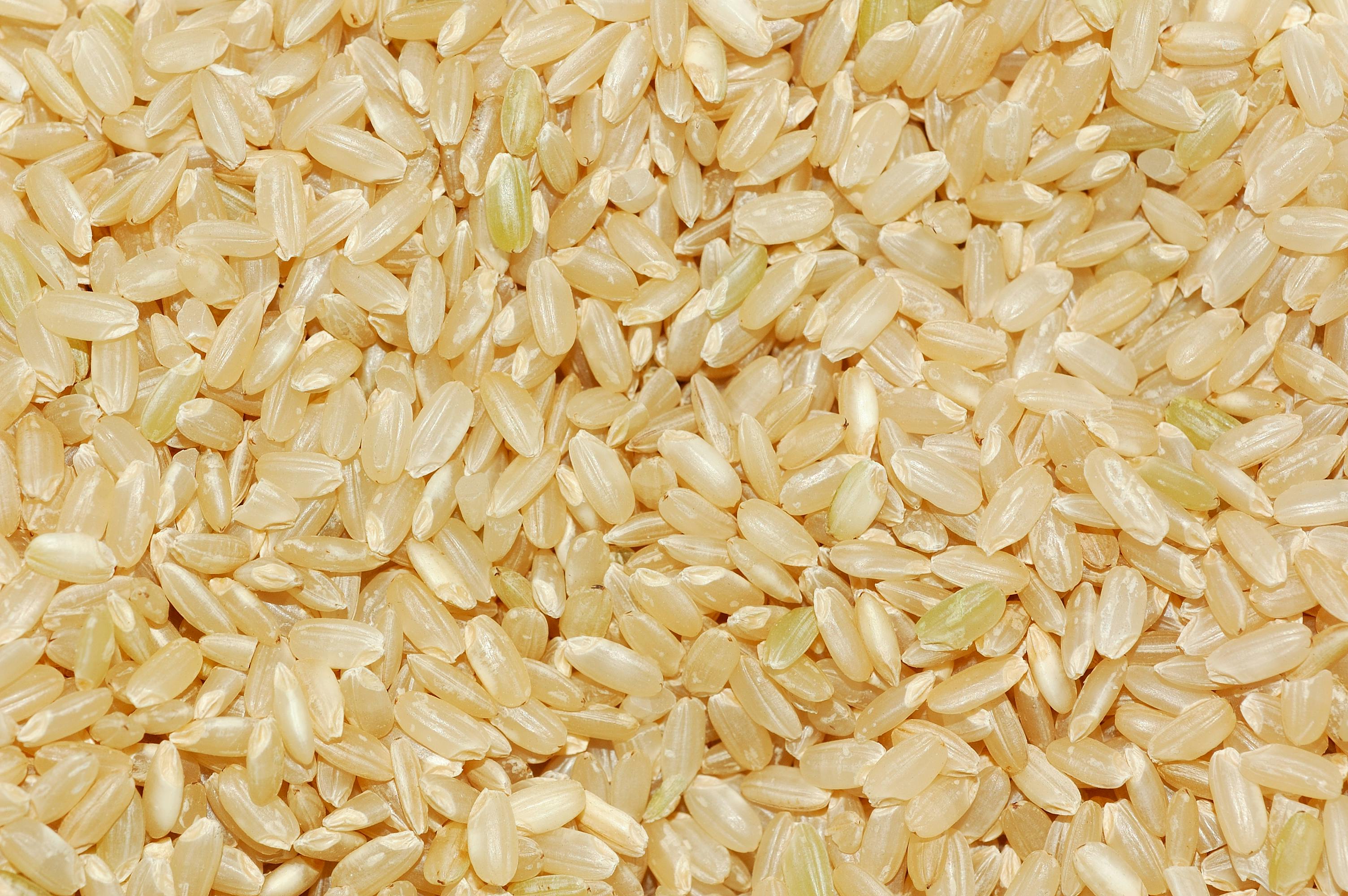
In the rice market, imports play an important role in exceptional situations that threaten supply. The problem arises when the opposite occurs: in a scenario of oversupply, with the country producing enough to meet domestic demand, the additional entry of grains can increase the surplus and compromise the flow of the national product. It is in this context that the Santa Catarina Rice Industry Union (SindArroz-SC) argues that import decisions should follow technical criteria and long-term planning to avoid losses during periods of crisis. According to Embrapa data, during the 2024/25 harvest, Latin American and Caribbean (LAC) countries together produced 3.5% of the world's rice production. Brazil alone accounts for 37.4% of this production. Regarding Mercosur, the country ranks 1st in productivity and harvested area for the 2024/25 harvest, which yielded a production of 10.6 million tons of rice. These indicators prove that Brazil is self-sufficient in rice production, since the average annual consumption is around 10.5 million tons. In this scenario, as explained by the president of SindArroz-SC, Walmir Rampinelli, imports can become a risk factor for Brazilian producers, especially during periods of record harvests and oversupply of the grain in the domestic market, as it hinders the flow of the national product. “When there is an oversupply of rice in the national market, imports become unfair to Brazilian producers and industries, since we pay taxes on all our operations and need to charge prices higher than those practiced by foreign producers, who do not contribute to our government and, therefore, can offer lower prices. This action hinders the flow of the Brazilian product, forces us to charge prices that do not meet our needs and, as we have seen happen this year, results in the decapitalization of Brazilian producers and industries,” he says.
Multi-institutional planning
Although rice poses a risk to national production during periods of oversupply, it is a staple food for many families, and imports are necessary in situations that jeopardize the harvest, such as natural disasters in producing municipalities. In these cases, Brazil is obliged to acquire imported grains to guarantee domestic supply. According to SindArroz-SC (the Santa Catarina Rice Industry Union), long-term planning among producers, industries, representative entities, and state and federal agencies can help maintain balanced imports for the rice sector, avoiding headaches in future harvests and benefiting the Brazilian economy. “Extremes are bad for both producers and consumers. If there is too much supply, the price of the product falls and depletes the producer's capital, harming the next harvest. If there is a shortage of grain, it is the citizen who suffers, as the product becomes expensive and ceases to be the basis of the diet for many families. There needs to be prior planning among all stakeholders and responsible institutions so that imports are a benefit, an aid, not a problem. Balance is the key word in this context,” says Rampinelli.
Encouraging cultural diversification
In addition to balancing imports, the Union argues that incentivizing crop diversification through subsidies can help the rice production chain face economic crises and strengthen food security in the country. According to the organization, by cross-referencing productivity and consumption data, the Federal Government, through the National Supply Company (Conab), could direct which crops should be planted in specific areas and provide subsidies so that producers can make this adjustment. “In this way, there would be no shortage of any staple food in Brazil, nor an oversupply of grains or any other crop. It is a way to contribute to Brazil's food security, boost our economy through work, and encourage food production within the national territory,” adds the president of SindArroz-SC.
This text was translated by machine from Brazilian Portuguese.