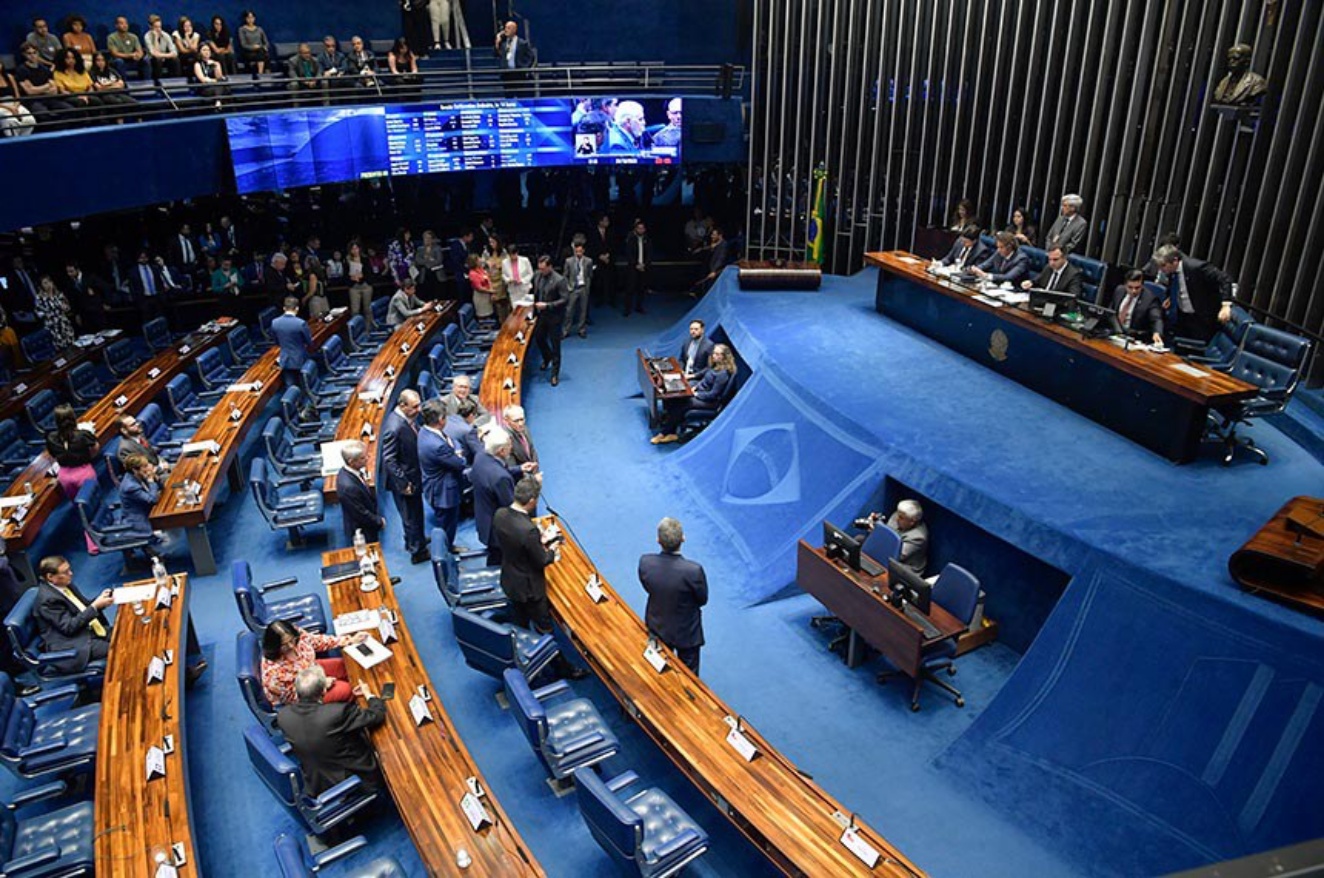
Senators approved the bill (PL 5122/2023) that guarantees aid to indebted rural producers throughout the country. The proposal includes mechanisms to help renegotiate rural debts and was approved this Wednesday (10) in the Senate Plenary. One of the instruments is the creation of a special line with resources from the Pre-Salt Social Fund and constitutional funds for debts in the North and Northeast regions. The proposal was discussed again with the Ministry of Finance this afternoon, but there was no agreement, as reported by parliamentarians from the Agricultural Parliamentary Front (FPA) and the rapporteur of the matter, Senator Renan Calheiros (MDB-AL). During the vote, the vice-president of the FPA in the Senate, Senator Tereza Cristina (PP-MS), highlighted that there was an attempt at dialogue, however, the economic team was not receptive. Despite this, she stressed that adjustments are still possible, since the text returns to the Chamber of Deputies.
Members of Parliament
“We tried to exhaust all the points that were worrying, and today we are not talking about an election problem. We are talking about a sector that carries Brazil, which is Brazilian agriculture. And it is going through a terrible moment: we have low commodity prices, high interest rates, we planted a crop with the dollar at R$ 6 and we are harvesting with the dollar at R$ 5. This is deadly for farmers' prices, not to mention the climatic problem that Rio Grande do Sul had,” declared the senator. The president of the FPA, Deputy Pedro Lupion (Republicanos -PR), also commented on the negotiations: “We tried to make the government understand the need for this.” He celebrated the symbolic approval in the Senate and indicated that the caucus will work to accelerate the analysis in the Chamber. “An extremely important victory for the possibility of renegotiating the debts of rural producers. There are 10 years to pay and three more years of grace. The funds were also involved. There are R$ 170 billion for us to solve the problem of the indebtedness of our producers,” he said.
Changes ensure operations are carried out until 2026.
In the final text approved by the Plenary, the rapporteur accepted some amendments and modified the wording to encompass, for example, renegotiated or extended operations until April 30, 2026, that are in good standing on the date the contract was signed. Furthermore, the use of the Social Fund and funds supervised by the Ministry of Finance was maintained, but without setting a limit on the amount. Use for the special line of credit is optional. In addition, the conditions of the special line of credit were maintained: – interest rates varying between 3.5% and 7.5%, according to the size of the producer; – a limit of up to R$ 10 million per beneficiary and up to R$ 50 million for cooperatives and associations; – a repayment term of up to 10 years, with a three-year grace period, which may reach a final term of 15 years in special cases. “This project covers all Brazilian states. Most of them face problems related to the ability of producers to settle their debts with banks. What the government needs to understand is that if we don't resolve the situation of rural producers this year, we could have a much more serious problem next year, due to the high production costs of the next harvest,” stated Senator Jaime Bagattoli (PL-RO), who is also vice-president of the FPA. Another new feature incorporated after discussions with the government base was a provision to ensure that withdrawals from the Social Fund do not impact resources for education and health. This measure was already planned, but it was reinforced in the new report. Senator Zequinha Marinho (Podemos-PA), coordinator of the FPA Budget Committee, stated that the benefits of the agenda outweigh the budgetary impact. “A project like this will have some kind of impact, but the positive results it will bring are even greater. It's not a financial expense, it's an investment in a single sector of the Brazilian economy that has shown its competence, its strength, its capability. 52% of everything exported in this country comes from agriculture. A third of the jobs, almost 30% of the GDP, also come from agriculture.”
This text was translated by machine from Brazilian Portuguese.