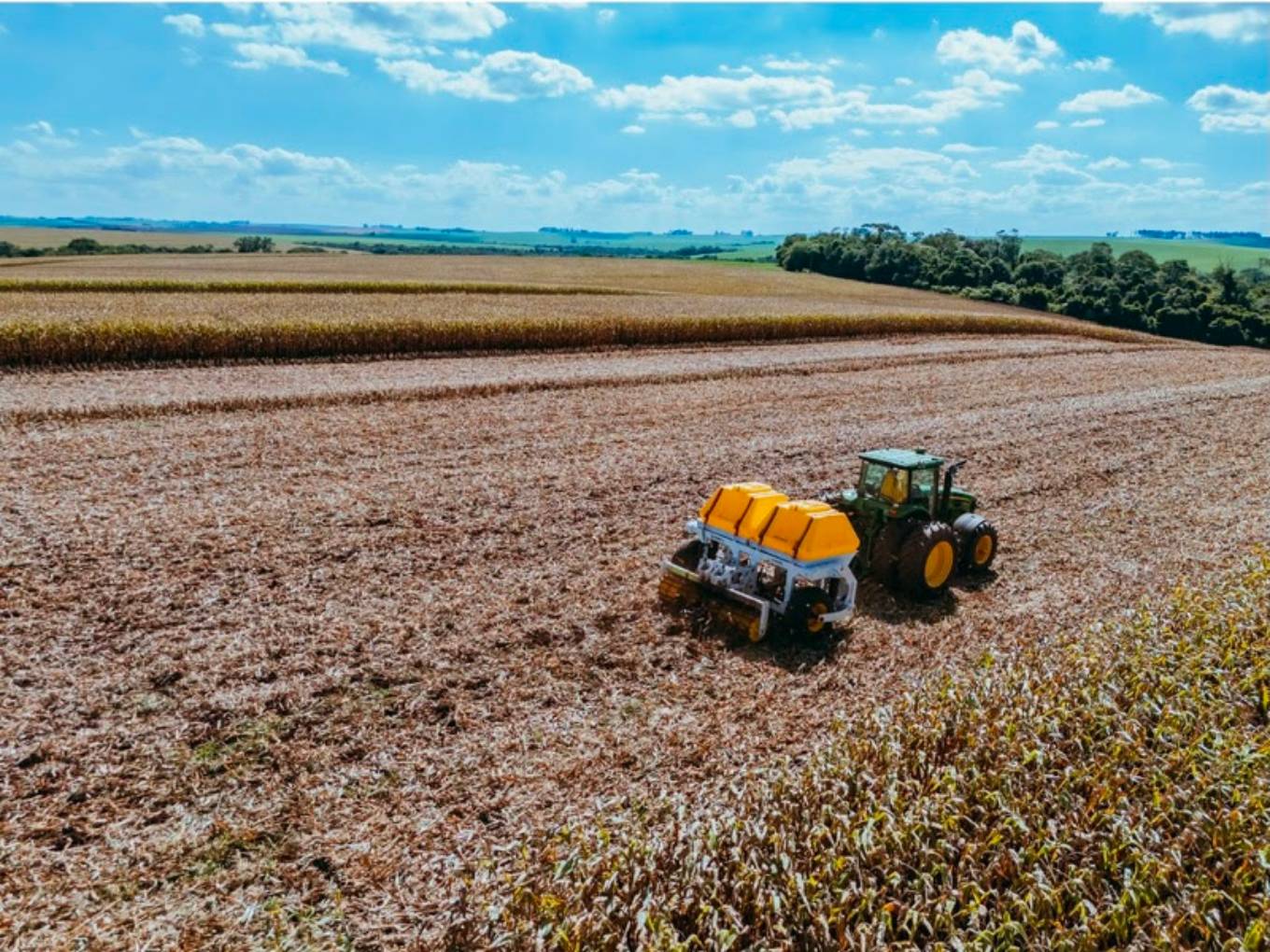
Soil compaction has become one of the main challenges faced by Brazilian agriculture, especially in regions impacted by frequent droughts. Besides hindering root development, the problem reduces water infiltration, limits air circulation in the soil, and compromises the efficiency of no-till farming, a system widely used in grain production in the country. Two studies conducted by the Federal Institute of Rio Grande do Sul (IFRS), at the Ibirubá campus, have been evaluating alternatives to improve the physical and chemical conditions of the soil without the need for excessive tillage. The research was carried out in an experimental area of the institution and analyzed the effects of mechanical decompaction associated with the application of agricultural amendments, such as limestone and gypsum, on soil chemical attributes and soybean crop performance. The studies evaluated different management practices in no-till systems, seeking to understand how practices aimed at decompaction can contribute to increasing water infiltration and improving the root environment of plants. The results indicated that the combination of mechanical management and liming presented the best indicators for correcting subsurface acidity. According to the researchers, the soil pH remained higher in areas where the rotary subsoiler was used in conjunction with lime application, indicating greater movement of the corrective to deeper layers. While surface liming showed more concentrated effects in the first 10 centimeters of soil, the management practices associated with decompaction showed results observed up to about 15 centimeters deep. In addition to the chemical effects, the studies also identified positive impacts related to water infiltration and soybean productivity. Areas managed with decompaction showed numerical yield gains, with averages close to 200 kilograms per hectare above the overall average of the experiment, as well as a higher thousand-grain weight in the treatments with soil correction. The researchers emphasize that improving the physical structure of the soil favors water storage and can increase the resilience of crops during periods of water deficit. For Silmo de Ávila, director of Agross do Brasil, the studies reflect an increasingly present demand in the field. “Today, when producers face more frequent droughts and need to produce more without expanding their acreage, looking at soil health has become a strategic issue. Seeing an institution like IFRS studying the impacts of compaction and evaluating technologies focused on water infiltration and preservation of no-till farming reinforces the importance of bridging research and field realities. Producers need solutions that deliver practical results and help build more resilient crops in the long term,” he emphasizes.
This text was translated by machine from Brazilian Portuguese.