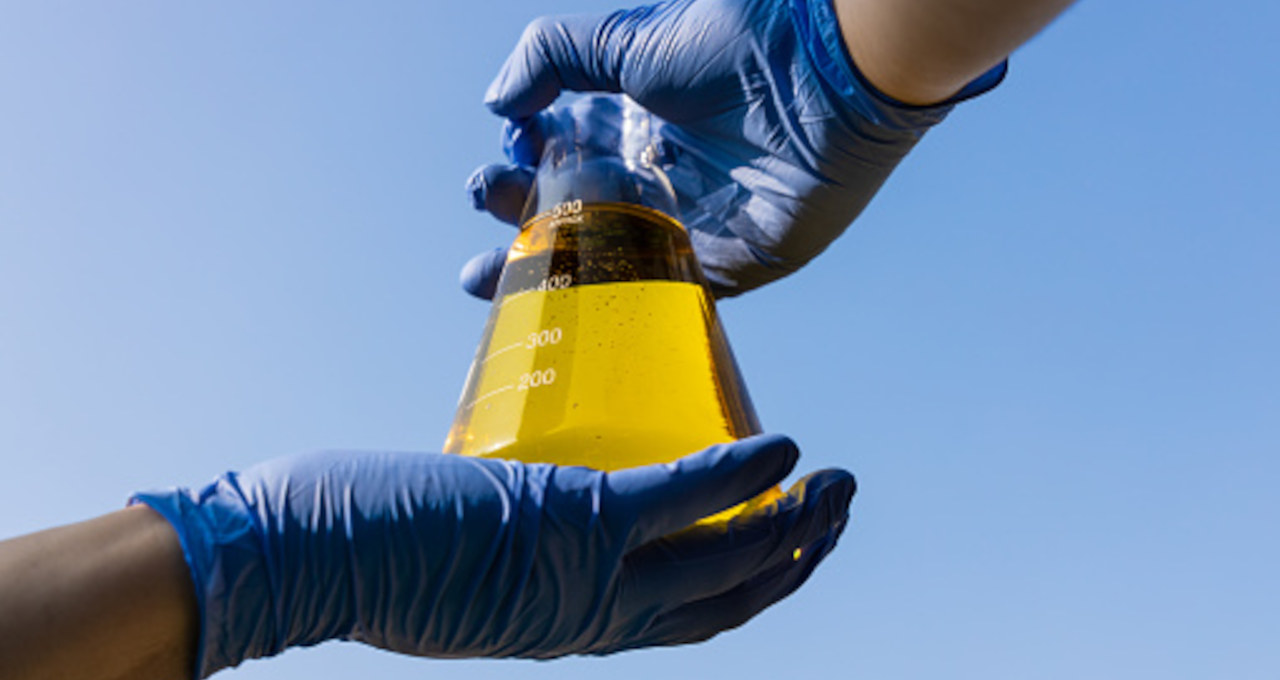
A groundbreaking biotechnological platform for biorefinery transforms cocoa husks into biofuels and industrial enzymes through simultaneous processes of biomass hydrolysis and isolation of fungi that produce various enzymes from the fruit itself. The project is being developed by Chemical Engineering professors Dr. Andreia Morandim-Giannetti and Dr. Bruna Pratto from the FEI University Center, in partnership with universities in Bahia. Funded by a joint call between the São Paulo Research Foundation (FAPESP) and the Bahia State Research Foundation (FAPESB), the technology solves the problem of agricultural biomass disposal and serves as a starting point for technical discussions in the market during World Environment Day. The viability of the process is based on the volume generated by the national cocoa industry, in which the state of Bahia is one of the main producers. The husk of the fruit represents approximately 80% of the total weight of the cocoa and lacks a large-scale commercial destination, commonly accumulating on rural properties. The accumulation of biomass leads to the proliferation of agricultural pests and emissions of gases originating from organic decomposition. By converting this biomass into inputs, the method reduces the environmental liability in the field and operates in the replacement market, since Brazil is an importer of enzymes for the pharmaceutical, cosmetic, textile, and food industries. Bruna Pratto, a professor of chemical engineering at FEI, says that the main paradigm shift of the research is transforming a traditionally discarded agricultural residue into a strategic raw material for the production of biofuels, industrial enzymes, and sustainable bioproducts. “The project demonstrates that agro-industrial waste can generate high value-added products, within a circular bioeconomy logic. The technology can strengthen the regional ecosystem by creating new production chains, and for family farmers in Bahia, there is potential for generating additional income through the commercialization of the waste, which then acquires real economic value,” she states. The development of the current technology reflects a line of research initiated a decade ago. Microbial isolation, conducted by the team, began in 2016 with the use of cassava waste, within the scope of a project led by Dr. Andreia Morandim-Giannetti and funded by FAPESP. The accumulated knowledge in enzymatic production and biomass hydrolysis allowed the transition to the cocoa platform and accelerated the formulation of a new project, focused on the use of microalgae for integrated biorefinery and carbon capture systems, currently under evaluation by FAPESP. Professor Andreia Morandim-Giannetti, also from Chemical Engineering at FEI, explains that the project exemplifies a good practice of circular economy by transforming agro-industrial waste into new value-added products, which reduces waste and promotes the reuse of resources. "In this context, World Environment Day is an important moment to discuss solutions of this type, as it highlights the need for sustainable technologies capable of integrating economic development, innovation and environmental preservation." With much of the technology validated at the Chemistry Laboratory Center of FEI, and another part within Senai Cimatec and UFBA, efforts are now focused on the productive market. The next steps in the research involve advanced modeling and simulation studies for the optimization of fermentation processes. The researchers' central objective is to establish strategic partnerships with national industries to carry out practical scale-up tests and enable the commercial application of the developed enzymes and biofuels.
This text was translated by machine from Brazilian Portuguese.