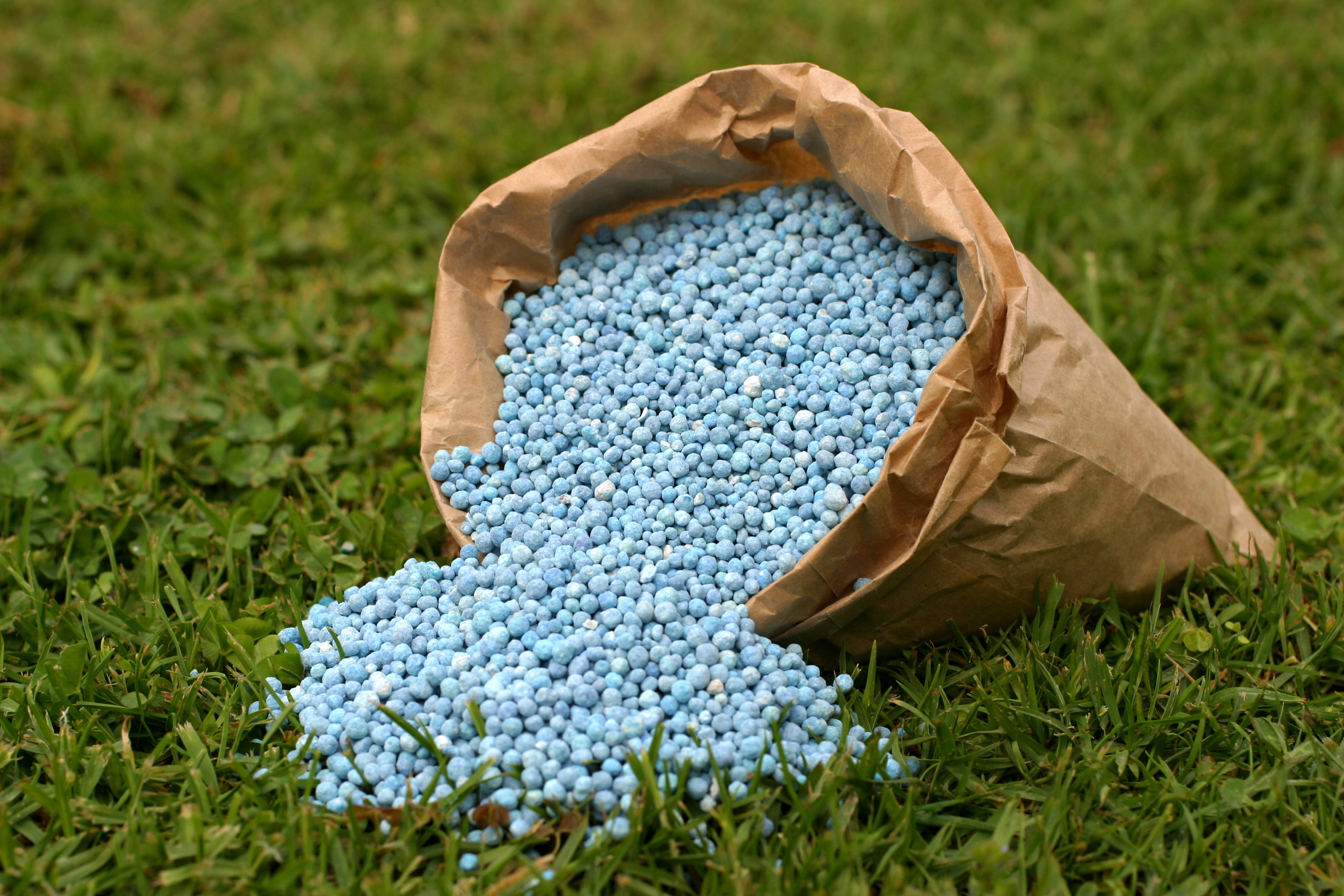
Brazil is among the world's largest food producers, but it still heavily depends on the international market to secure one of the main inputs for agricultural production. Currently, about 85% of the fertilizers used in the country are imported, a situation that leaves the agricultural sector exposed to price fluctuations, logistical crises, geopolitical conflicts, and potential supply disruptions. Reducing this dependence is not just an economic or industrial necessity; it is a matter of food security. Without a stable and competitive supply of fertilizers, the country becomes more vulnerable to increased production costs, reduced productivity in the field, and impacts on food prices and availability. To address this vulnerability, the National Congress approved Bill No. 699/2023, which creates the Fertilizer Industry Development Program (Profert). The proposal encourages investment in national production, increases the competitiveness of Brazilian industry, and reduces external dependence on inputs considered strategic for agriculture. The project was presented in February 2023 by Senator Laércio Oliveira (PP-SE), a member of the Parliamentary Agricultural Front (FPA). The original proposal envisioned tax incentives to stimulate new investments in the fertilizer production chain. From the beginning of the process, the author of the proposal argued that the creation of the program would be fundamental to reducing a historical vulnerability of the country. “Brazil's fertilizer industry is far from achieving the performance and competitiveness compatible with its size and relevance,” stated the senator. According to him, the construction of the project required extensive dialogue between the government, Congress, and the productive sector. “We had to build several bridges. Given the magnitude of Brazilian agriculture, the sector needs a national fertilizer plan. We cannot live with this dependence on imported fertilizers that the sector has,” he emphasized. Throughout 2023, the proposal was debated in different Senate committees, bringing together representatives from the industry, experts, and entities from the agricultural sector. Senate Approval In March 2024, the Agriculture and Agrarian Reform Committee (CRA) approved the opinion of Senator Tereza Cristina (PP-MS), vice-president of the Parliamentary Agricultural Front in the Federal Senate. During the analysis of the matter, the senator emphasized that strengthening the national fertilizer industry has ceased to be merely an economic agenda item and has become a strategic issue for the country, especially in light of the geopolitical challenges affecting global supply. “The technical and budgetary analysis of the project indicates compliance with regulations and highlights the need to promote self-sufficiency in fertilizer production. The proposal is also aligned with the New Industry Brazil (NIB), the government's industrial policy,” she stated. After Senate approval, the proposal went to the Chamber of Deputies for analysis. Tax reform demanded changes. In the Chamber of Deputies, the bill underwent extensive reformulation in May 2026. The main change occurred due to the tax reform, which will gradually eliminate taxes such as PIS, Cofins, and IPI, making it impossible to maintain the originally planned incentives. Under the rapporteurship of Deputy Júnior Ferrari (PSD-PA), the text was adapted to replace tax exemptions with a new model based on tax credits destined for investments in the national fertilizer supply chain. The proposal also incorporated mechanisms to stimulate domestic production, encourage mineral research, expand infrastructure investments, and create conditions for the expansion of national industry. For Deputy Arnaldo Jardim (Cidadania-SP), the changes allowed the central objective of the proposal to be preserved in the face of the new tax scenario. According to the parliamentarian, the bill "creates instruments that reduce the cost of production and correct tax distortions that currently make imported products more competitive." According to Congressman Danilo Forte (União Brasil-CE), strengthening the national fertilizer industry represents an opportunity to increase Brazilian competitiveness in the international market. “Brazil has the capacity to feed the world, but it needs a policy that lowers production costs and expands the country's leading role in global supply,” he stated. The parliamentary group reinforces the strategic importance of Profert. During the legislative process in the Chamber of Deputies, other members of the FPA also defended the proposal. Congressman Evair de Melo (PP-ES), author of another bill on the subject, stated that the program represents an opportunity to rebuild the national industry. “This project deals with the boldness of reorganizing the Brazilian environment and reviving the fertilizer industry. It is certainly a new beginning to guarantee food production for domestic supply and for export,” he said. For Congressman Joaquim Passarinho (PL-PA), the country has the conditions to significantly expand its industrial capacity. “We are among the largest grain producers in the world and we must also be among the largest fertilizer producers. We have the capacity for that,” he declared. Congressman José Rocha (União-BA) emphasized that the initiative represents a strategic advance for the country. “With this measure, Brazil takes an important step towards expanding its autonomy in fertilizer production and reducing its dependence on imports,” he stated. Congressman Zé Silva (Solidariedade-MG) believes the program strengthens national productive sovereignty. “The approval of Profert represents an important step towards strengthening Brazil's productive sovereignty,” he highlighted. Congressman Sérgio Souza (MDB-PR) also defended the proposal, stating that Brazil needs to better utilize its mineral potential. “We cannot remain hostage to the prices charged today, if we have soil with such immense richness,” he stressed. For Senator Esperidião Amin (PP-SC), Profert is the answer to a historical demand of the country. “This project is more than timely and addresses an absurdly well-known and diagnosed need,” he stated. The project awaits a vote in the Federal Senate.
This text was translated by machine from Brazilian Portuguese.