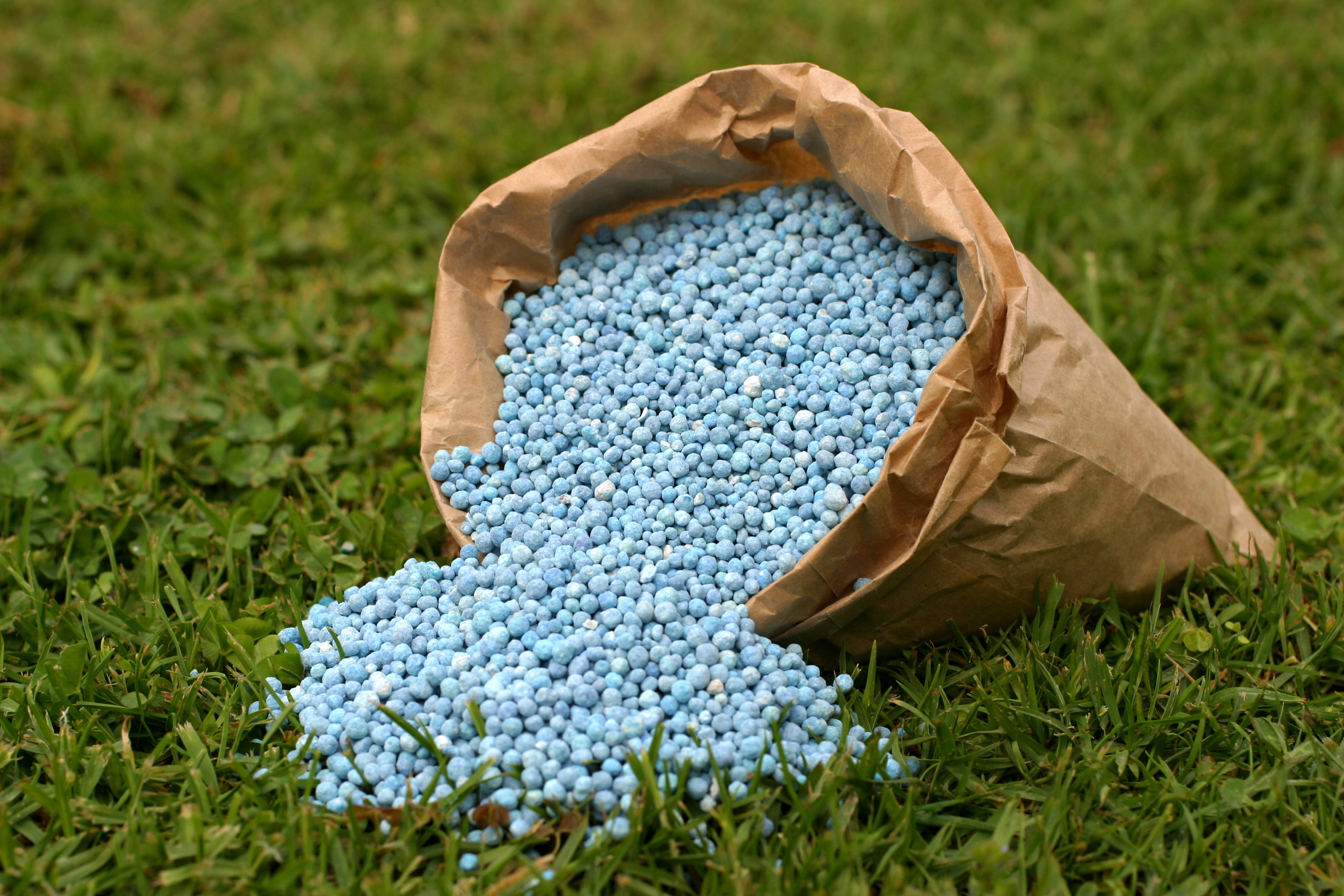
Although the average variation in agricultural commodity prices was limited to 1.3%, April was marked by significant movements among the main commodities. Price increases were observed for soybeans (10%), corn (6%), and cotton (9%) – movements partially offset by a 6% drop in sugarcane prices, resulting in a more moderate impact on the aggregate index. On the other hand, the increase in fertilizer prices, which rose by about 10%, reflected the current dynamics of the international market. Among raw materials, significant increases were seen in the prices of urea (14%), monoammonium phosphate (10%), single superphosphate (19%), and potassium chloride (4%), reflecting a more pressured global scenario, especially due to the scarcity of sulfur, an essential input for fertilizer production. The exchange rate helped to mitigate some of the pressure on costs, with the dollar falling by 4% during the month, which contributed to partially moderating the impact of the increase in imported inputs. Nevertheless, the international scenario remains a point of concern, as the continuation of conflicts could affect both fertilizer imports and exports of Brazilian agribusiness, maintaining risks of additional pressure on costs and on the IPCF in the coming months. Global dynamics also influenced commodity behavior, especially due to the escalation of conflicts in the Middle East, which raised oil prices and generated indirect repercussions in the agricultural sector. These movements, however, were partially limited by the large Brazilian harvest recently collected, which has restricted more intense price increases.
Understanding the IPCF
The IPCF (Brazilian Agricultural Price Index) is published monthly by Mosaic and consists of the relationship between fertilizer and agricultural commodity price indicators. The methodology involves comparison to the 2017 baseline, indicating that the lower the ratio, the more favorable the index and the better the terms of trade. The IPCF calculation takes into account the main Brazilian crops: soybeans, corn, sugar, ethanol, and cotton.
This text was translated by machine from Brazilian Portuguese.