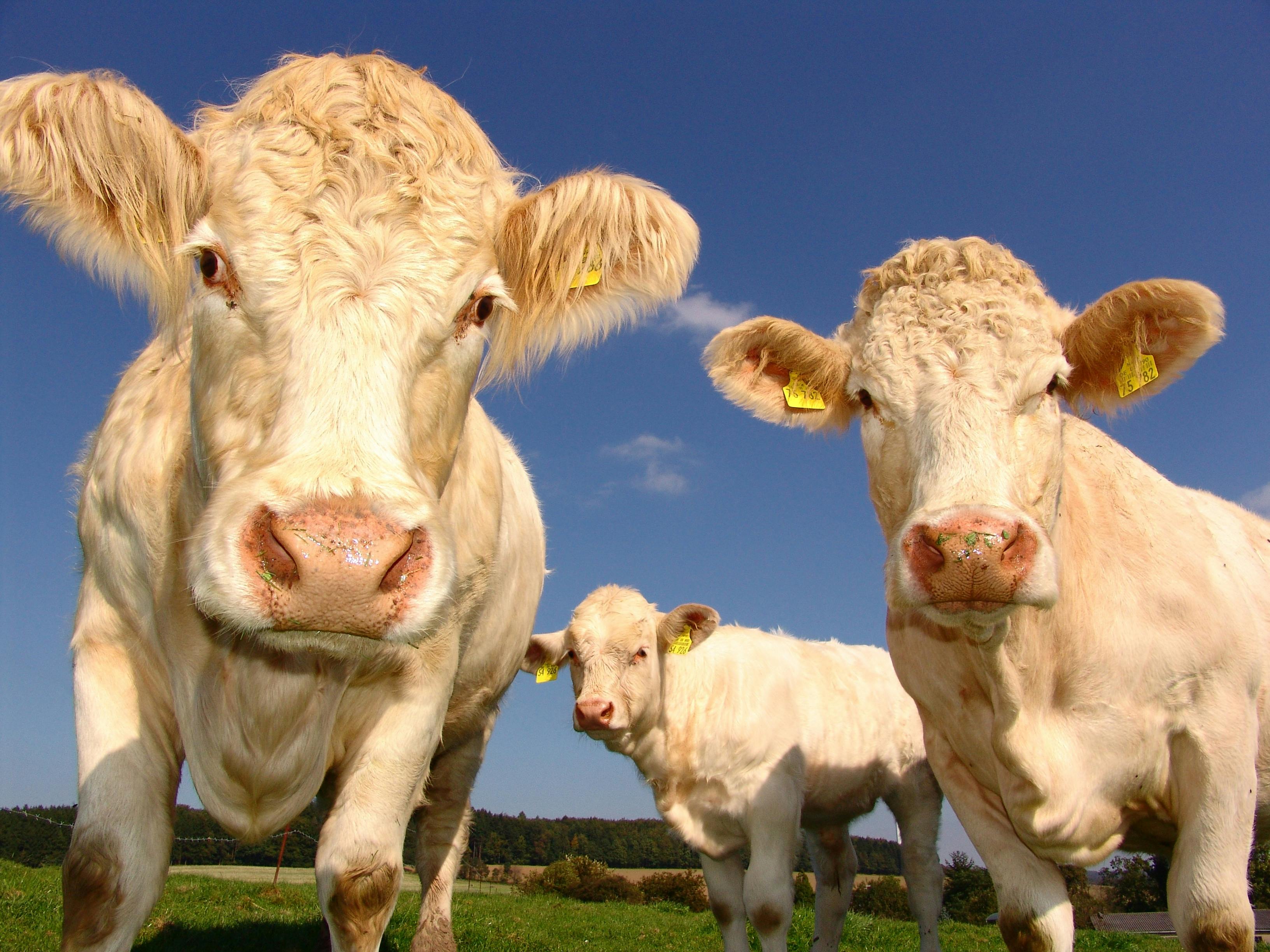
The U.S. Department of Agriculture's (USDA) Animal and Plant Health Inspection Service (APHIS) has identified 32 cases of New World blowfly in the United States since June 3, when the first outbreak of the disease was found in Texas after more than six decades. So far, cases have been identified in 17 cattle, 3 goats, 10 sheep, and 2 dogs. All are concentrated in southern Texas, except for one case, which was registered in southeastern New Mexico. The New World blowfly is considered one of the most damaging pests to livestock, as its larvae feed on living tissue, causing serious wounds, reduced animal performance, and economic losses to the livestock sector. The blowfly had been eradicated from the United States in the 1960s after a large-scale biological control program that confined the pest to Central America. In recent years, however, new outbreaks have been recorded in countries such as Panama, Costa Rica, Nicaragua and Honduras. In 2024, Mexico confirmed its first case of the disease in decades, leading the United States government to suspend, in May 2025, the import of live cattle from the neighboring country. This decision contributed to the worsening of the internal cattle supply crisis – the US cattle herd is at its lowest level in 75 years. Aiming to combat the plague, in November of last year, the USDA inaugurated an aerial dispersal facility for sterile flies in Tampico, Mexico; in February of this year, a new unit was implemented at Moore Air Force Base in Edinburgh, Texas; finally, a third unit was inaugurated last Monday (29), in the state of Chiapas, in southern Mexico.
This text was translated by machine from Brazilian Portuguese.