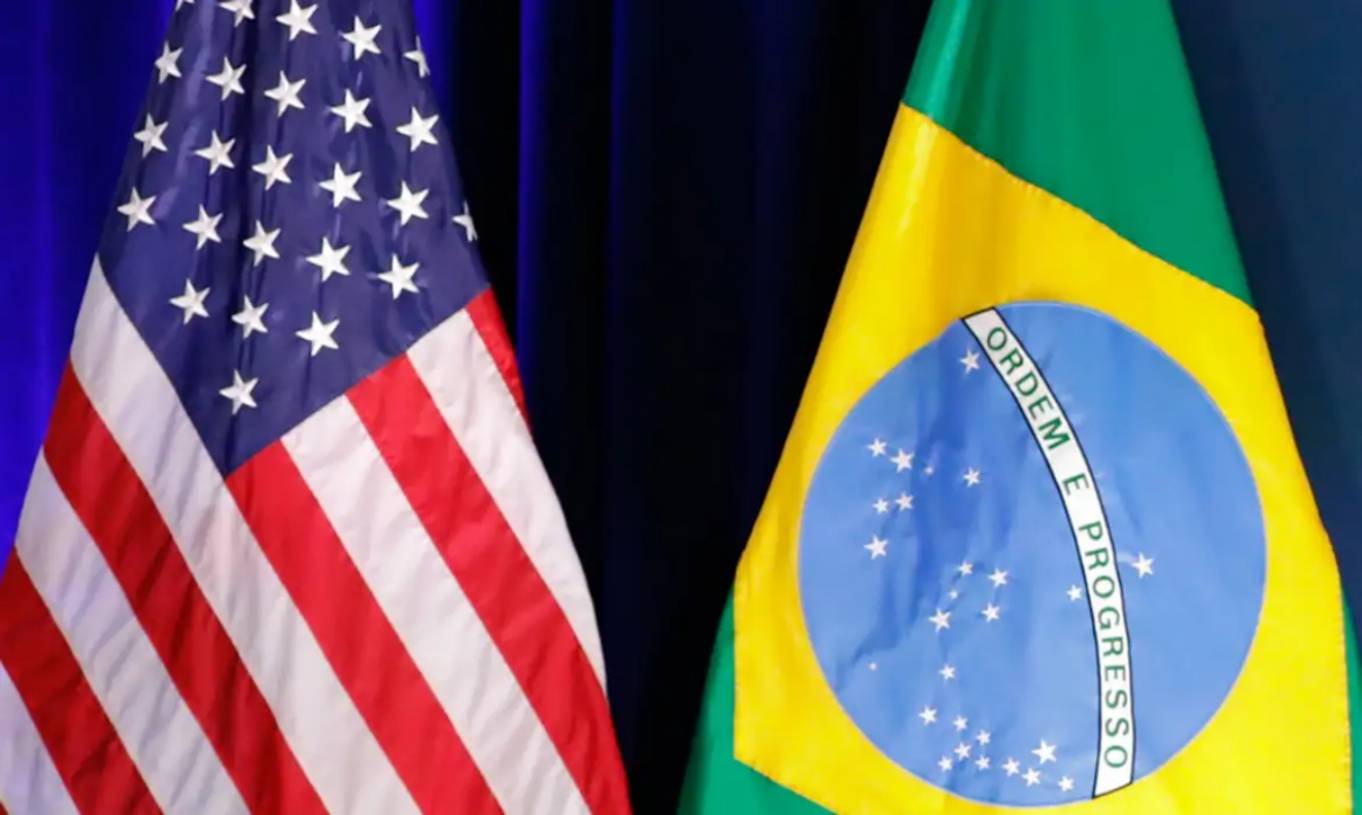
The decision by the United States government, announced this Thursday (23), to apply surcharges on certain imports originating from 60 economies, including a 12.5% tariff for Brazil, as a result of the Section 301 investigation into goods produced with forced labor, worsens the conditions for access of Brazilian exports to the US market. Taking effect on July 24, the measure will affect approximately 3,000 Brazilian products, corresponding to US$12.5 billion in annual exports to the United States, according to calculations by the American Chamber of Commerce for Brazil (Amcham). For 85.3% of these sales, equivalent to US$10.7 billion, its effects will be cumulative with the 25% tariffs announced the previous week, resulting in surcharges of 37.5% — one of the highest levels applied by the United States to its trading partners. This scenario further compromises the competitiveness of Brazilian exports to the United States and tends to deepen the trajectory of contraction in bilateral trade. It could also raise costs for American companies and consumers, weaken integrated production chains between the two countries, and affect bilateral investments. "The new tariff amplifies the negative impacts on Brazilian exports, with several sectors subject to significant surcharges of 37.5%. Reversing this scenario necessarily involves resuming negotiations between the two governments. Bilateral understanding is the most effective way to meet the interests of both sides," says Abrão Neto, president of Amcham Brazil. Amcham Brazil reiterates that reciprocal measures do not contribute to overcoming current differences and present a high risk of provoking a political and commercial escalation, worsening the economic impacts for Brazilian companies, workers, and consumers. The organization reinforces its request for continued negotiations between the governments of Brazil and the United States as a solution to reverse the surcharges, increase predictability for companies and investors, and advance the construction of a positive bilateral agenda.
This text was translated by machine from Brazilian Portuguese.