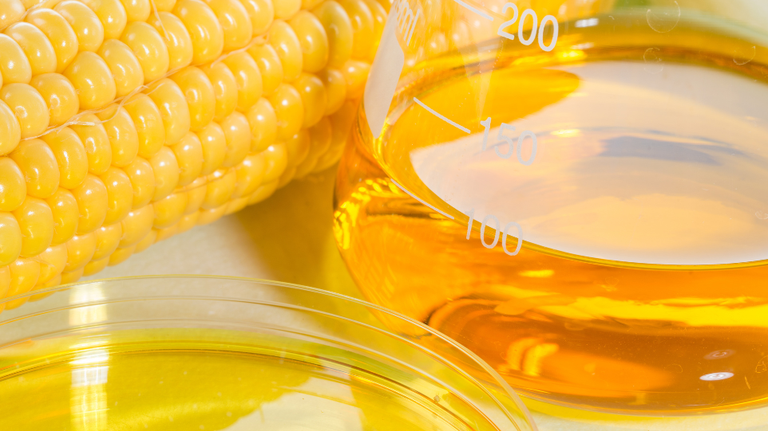
A new generation of yeast developed by researchers at Lallemand Biofuels & Distilled Spirits (LBDS) in the United States has managed to reduce fermentation time in corn mills from 55 to as little as 45 hours (an 18% reduction), enabling up to four additional batches (millings) per month. According to the company, mills in Brazil already using the new generation of yeast have registered an average increase in the number of millings of 16%, resulting in approximately 50,000 tons of extra corn milled per year. This advancement has translated into ethanol productivity gains of up to 9%, generating an extra 10 million liters/year of ethanol production for a mill with a milling capacity of 1,000 tons/day. According to LBDS, the new technology breaks the standard fermentation cycle, directly addressing the operational bottleneck. The faster completion of the process ensures the earlier availability of tanks for new fermentations, increasing production volume without requiring the installation of new fermenters. Data obtained with the new generation of yeasts shows that the increased fermentation speed can generate an annual revenue increase of R$ 30 million – equivalent to approximately R$ 85 per ton of processed corn – without the need for increased capital expenditure (Capex) in infrastructure or operating expenses (OPEX) (maintenance of heat exchangers, pumps, cleaning, instrumentation, and operational risks). In addition to these gains, according to LBDS, biorefineries that used the new yeast reduced their input costs. Glucoamylase, an enzyme that needs to be added during the fermentation process at the plant, is already produced by the yeast itself, reducing the need for external enzyme application by up to 89% – a record in the sector. The elimination of external enzyme applications, according to the results observed in the tests, generates savings of approximately R$ 4.2 million per year, considering an operational reference of 1,000 tons/day of milling. Considering the productivity gains from increased milling and reduced enzyme use, the new technology could increase mill revenue by just over R$34 million per year. The company notes that in addition to the glucoamylase produced by the new yeast, it possesses an enzymatic package of secondary activities (kept as an industrial secret) that allows for the breakdown of more starch chains and consequently increases ethanol production, reducing Total Residual Sugar (TRS) – sugar that is no longer transformed into ethanol. Another characteristic highlighted by the researchers is superior resistance to factors that normally drain mill profitability. At peak temperatures of up to 37ºC, under industrial conditions, the new yeast maintained active metabolism and managed to reduce glycerol production by 14%, consequently resulting in the production of more ethanol. In addition to thermal stress, the new yeast exhibits greater tolerance to organic acids from contamination and increased solids, reducing the risk of incomplete fermentations. “We are making continuous investments in technology to optimize our processes and raise productivity levels. Our goal is clear: to keep pace with the accelerated growth of the corn ethanol market in Brazil, delivering operational efficiency and sustainability at every stage of production,” says Fernanda Firmino, Vice President of LBDS in South America.
This text was translated by machine from Brazilian Portuguese.