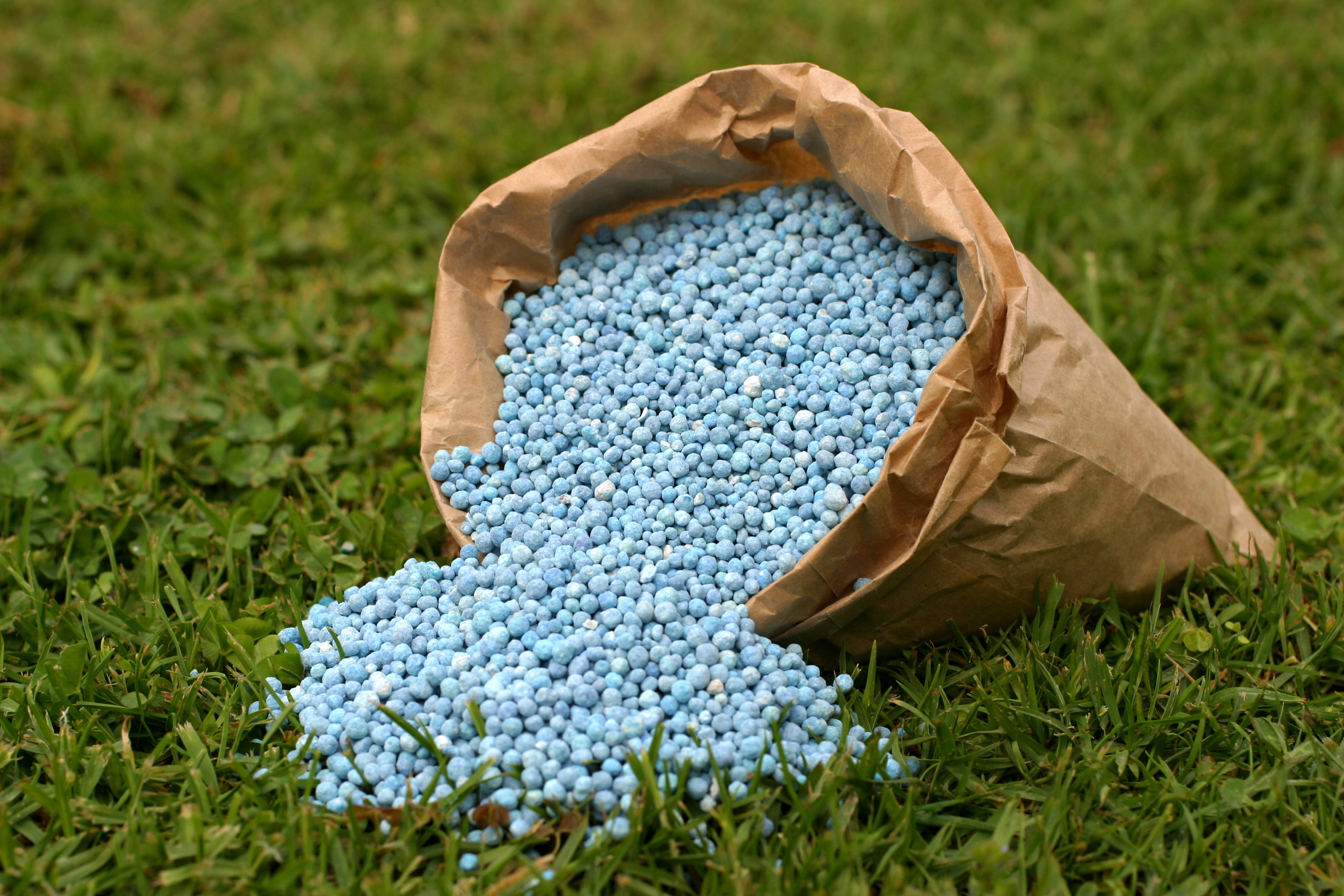
The Minister of Agriculture and Livestock, André de Paula, participated, this Tuesday (16), in São Paulo, in the Veja Agro Forum 2026. The event brought together authorities, representatives of the productive sector and specialists to discuss the perspectives of Brazilian agribusiness, focusing on the expansion of exports, rural credit, technological innovation, increased productivity and the improvement of public policies for the sector. In his speech on the panel "New opportunities for Brazilian agribusiness", Minister André de Paula highlighted the importance of agriculture for the national economy. "It is a sector responsible for 49.5% of Brazilian exports, for around 32 million jobs and fundamental for the balance of the country's economy. Last year, agriculture grew 11.7% of GDP, demonstrating its strength and relevance to Brazil," he said. André de Paula also highlighted the international recognition of the Brazilian agricultural defense system, evidenced by the recognition, first by China and later by Russia, of Brazil as a territory free of foot-and-mouth disease without vaccination. “I was recently in China and we have already seen concrete results from this mission. The recognition of Brazil as free of foot-and-mouth disease without vaccination further reinforces the robustness of our agricultural defense system and expands opportunities for Brazilian products in the international market,” he emphasized. The minister also mentioned the progress in negotiations with the Chinese government regarding the supply of fertilizers to Brazil. “We conveyed to the Chinese authorities our concerns regarding fertilizers. Soon after, China publicly expressed its willingness to increase supplies to Brazil, which contributed to the stabilization of urea prices in the national market, reducing pressure on production costs,” he said.
OPENING OF MARKETS
When discussing the foreign trade agenda, the minister reported that the government has already achieved 641 new market openings for Brazilian agribusiness products since the beginning of the current administration. “Our goal is to reach approximately 700 new market openings by the end of President Lula's third term. We have already achieved 641, and I am confident that we will surpass this objective,” he stated. He also highlighted the strengthening of Brazil's international presence with the expansion of the network of agricultural attachés, which has grown from 29 to 40 strategic posts abroad. “We will continue to mobilize all efforts to make Brazilian agribusiness increasingly stronger, more competitive, and with greater international integration, contributing to an objective that is a priority for our government: guaranteeing food on the table for Brazilians,” concluded André de Paula.
Complementarity between China and the European Union
The Executive Secretary of the Ministry of Agriculture, Cleber Soares, also participated in the panel and addressed the complementarity of Brazil's trade relations with China and the European Union. According to him, although they present distinct consumption profiles and sanitary requirements, both markets are strategic for Brazilian agribusiness: China concentrates large volumes of agricultural commodities, while the European Union demands products with higher added value and high standards of quality and sustainability. The Secretary also highlighted the advances of Brazilian agriculture in the sustainability agenda. “Brazil has one of the most robust programs for mitigating and adapting to climate change focused on the agricultural sector. Through the ABC+ Plan, the goal is to incorporate 52 million hectares into sustainable production systems by 2030, including pasture recovery, crop-livestock-forestry integration, planted forests, and biological nitrogen fixation, with an estimated mitigation potential of 1.1 billion tons of CO₂ equivalent in the period,” he stated.
MERCOSUR-EUROPEAN UNION AGREEMENT
The Provisional Trade Agreement between Mercosur and the European Union was also among the central themes of the debate. After more than 25 years of negotiations, the agreement created one of the largest free trade zones in the world, bringing together approximately 780 million consumers and a combined Gross Domestic Product (GDP) exceeding US$22 trillion. For André de Paula, the initiative represents a strategic opportunity to expand the competitiveness of Brazilian agribusiness and diversify national exports. “Around five thousand Brazilian products will be impacted by this agreement. Most of them are agricultural, and Brazil is prepared to seize this opportunity, expand its presence in the European market, and make our products even more competitive,” he stated. Cleber Soares highlighted that several segments of Brazilian agriculture are already beginning to benefit from the reduction or elimination of tariffs foreseen in the agreement. "We have already seen concrete results in supply chains such as fruits, coffee, animal proteins, rice, orange juice, cocoa, and specialty coffees. One example was the first shipment of Brazilian grapes to the European Union, already with zero tariffs, increasing the competitiveness of our product in that market," he said. According to the secretary, in addition to expanding access for Brazilian products to the European market, the agreement also favors the modernization of national agriculture by facilitating the import of machinery, equipment, and technologies produced in Europe. "It's a win-win agreement. Brazil expands opportunities for its agricultural exports, while Brazilian producers gain better conditions to import machinery, equipment, and inputs that contribute to increasing the productivity and competitiveness of the sector," he emphasized.
Harvest Plan
The new Harvest Plan was also part of the event's discussions. In the first three cycles of the current government, approximately R$ 1.576 trillion was allocated to financing Brazilian agriculture, consolidating the largest volume of resources in the history of rural credit policy. The Ministry of Agriculture and Livestock (Mapa) is working on structuring the next Harvest Plan with the aim of expanding available resources, strengthening financing instruments, and ensuring greater predictability for rural producers. During the debate, André de Paula also highlighted the challenges faced in building rural credit policy, especially in light of increased financial costs, the indebtedness of some producers, and the need to strengthen instruments such as rural insurance and climate risk management. He also stressed that the international scenario, marked by geopolitical conflicts and market volatility, demands increasingly robust public policies to ensure the competitiveness and resilience of Brazilian agribusiness.
This text was translated by machine from Brazilian Portuguese.