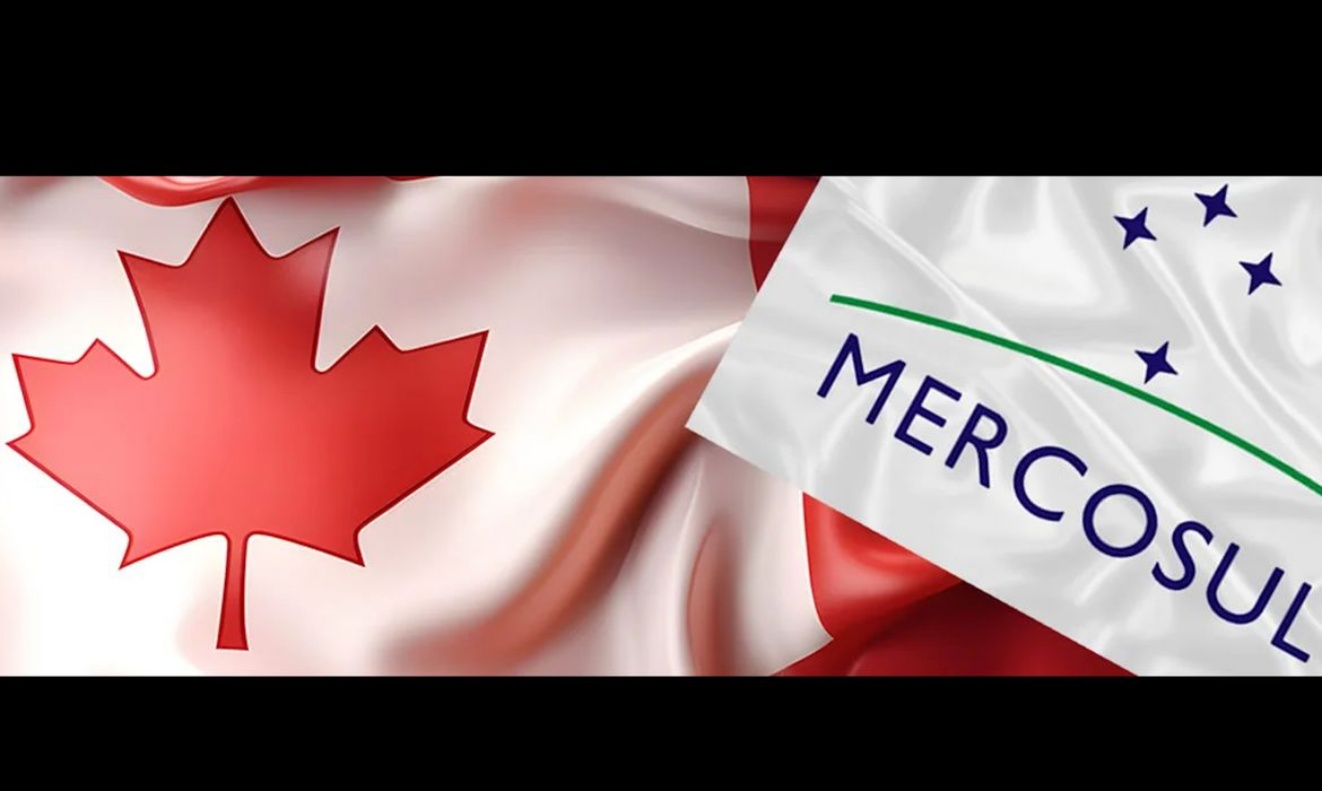
Negotiations for the conclusion of the free trade agreement between Mercosur and Canada advanced with a meeting of thematic groups in Toronto, Canada, between May 25 and 29, according to a note from "Agência Brasil". The meeting, the 10th Negotiating Round of the Free Trade Agreement between Mercosur and Canada, deepened discussions for the consolidation of the treaty, which had been resumed in October of last year. In 2025, negotiations between the Anglophone country and Brazil saw a considerable increase, after both were affected by trade barriers imposed by the United States government. The flow of trade between Brazil and Canada reached US$ 10.4 billion last year. Brazilian exports to the Canadian market totaled US$ 7.3 billion in 2025, with a growth of 14.8% compared to the previous year and a historical record for the series. Negotiations, which resumed last October, reflect the parties' interest in deepening economic and trade relations, promoting the strengthening of bilateral trade and greater productive integration between the Mercosur and Canadian economies. The meeting at the end of May highlighted in-person meetings of technical groups on trade in goods, services and financial services, temporary entry of persons for business, rules of origin, intellectual property, bilateral safeguards, sustainable development, inclusive trade, and legal and institutional issues. In addition to the technical discussions, the Canadian Minister of International Trade, Maninder Sidhu, received the Mercosur chief negotiators. Throughout the tenth round, five chapters of the Agreement advanced to the closing stage of negotiations. The parties expect to conclude the agreement in further meetings, still in the first half of the year, with a date to be determined. In the previous meeting, at the end of April, discussions focused on rules of origin, intellectual property, sanitary and phytosanitary barriers, and trade and sustainable development. Resuming negotiations as a bloc has been a priority for the current Mercosur administration, headed by the Paraguayan government. The agreement with the European Union came into effect on May 1st. The bloc has also made progress in discussions with other Latin American countries, such as Chile, Ecuador, Colombia, and Peru, in addition to progress in discussions with the United Arab Emirates and the EFTA bloc, composed of Iceland, Liechtenstein, Norway, and Switzerland.
This text was translated by machine from Brazilian Portuguese.