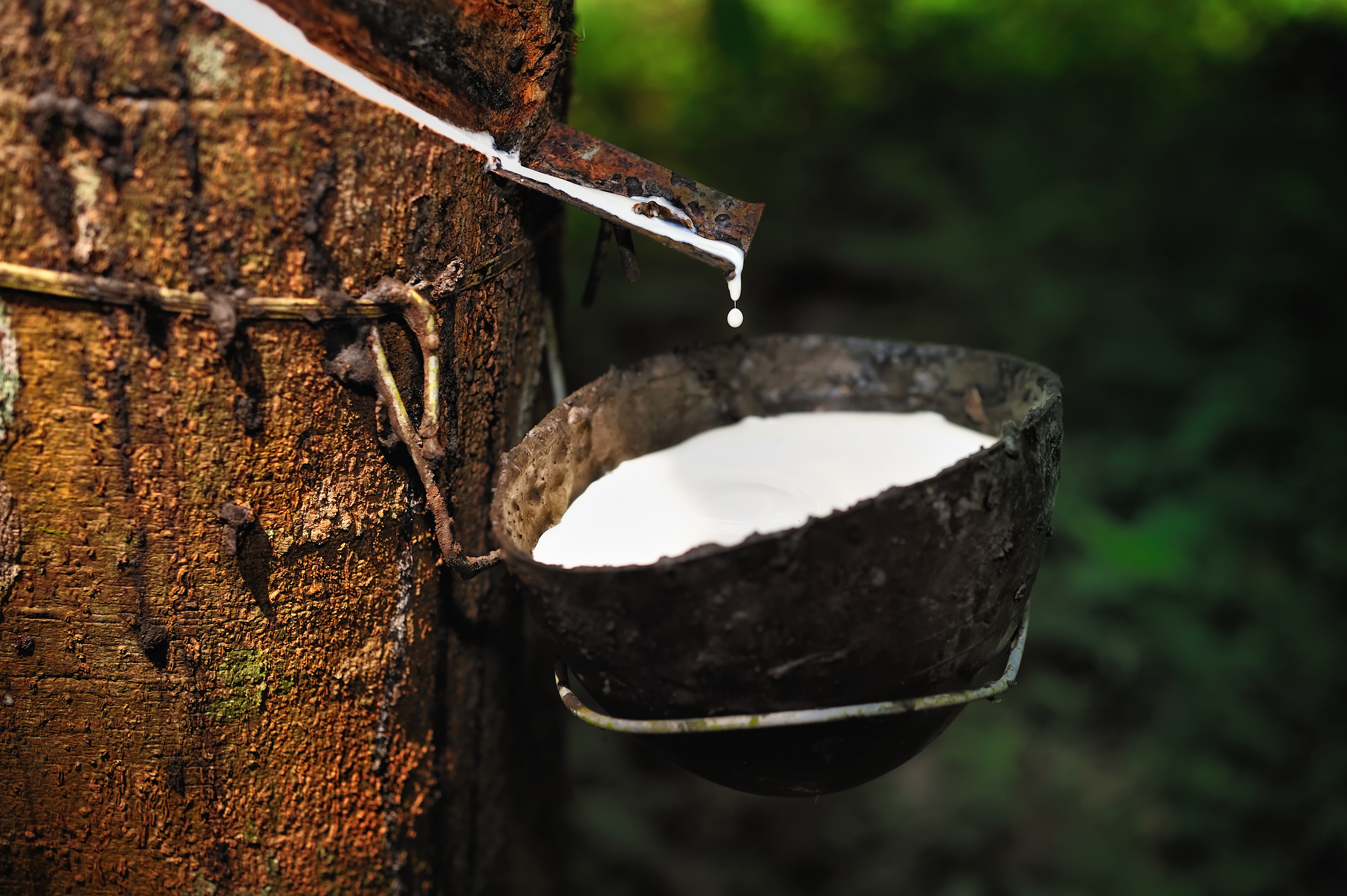
Ivory Coast's natural rubber exports totaled 155,000 tons in June, a volume 30.6% higher than that shipped in May and 6.1% higher compared to the same month last year, according to data released by the local government. This was the second month of the new Chinese zero-tariff policy, which exempted imports from 53 African nations from tariffs starting May 1st. Ivory Coast is expected to be the main beneficiary of the new policy, given the country's existing production infrastructure. In 2009, the Ivorian government launched a nine-year plan to develop the sector, which began with the planting of new rubber trees on 110,000 hectares, which are gradually entering their full production phase. Simultaneously, during this period, Chinese companies such as the Meilan Group and Hainan Rubber invested heavily in the construction of processing plants.
Ivory Coast is currently the largest producer. Africa is a major producer of natural rubber and has already established itself among the world's leading producers, competing head-to-head with Southeast Asian countries such as Thailand and Indonesia. In the short term, other African nations do not possess the specific conditions that enabled the development of Ivory Coast.
In the first half of 2026, Ivorian exports of natural rubber totaled 904,000 tons. a slight increase of 0.8% compared to the 897,000 tons recorded in the same period of 2025.
This text was translated by machine from Brazilian Portuguese.