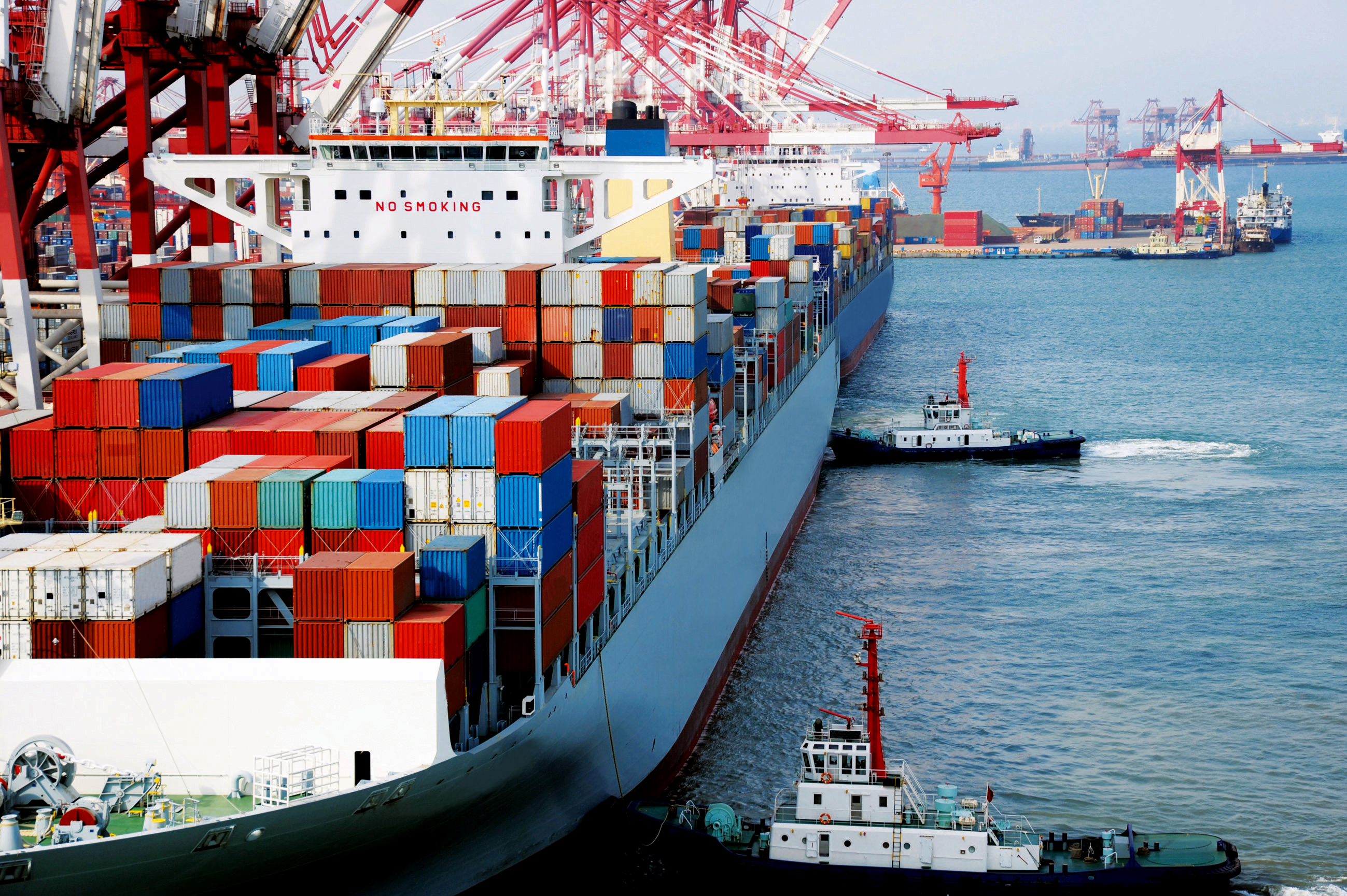
On Friday (20), Farsul released the results of Rio Grande do Sul's agricultural exports in February. Compared to the same period in 2025, there was a 14.4% drop in the value exported (a total of US$ 881.7 million compared to US$ 1.03 billion in the same period of 2025) and a 19.5% drop in volume, totaling 1.55 million tons. In February 2025, the state had exported 1.92 million tons. This result mainly reflects the lower supply of grains on the market, especially soybeans, in addition to a high wheat base compared to 2025. The total value exported by the State in the period was US$ 1.26 billion, with agribusiness accounting for 69.8% of this amount (US$ 881.7 million). In terms of volume, agribusiness represented 88.3% of the state total in the period. Rice saw triple-digit price increases compared to 2025, with growth of 106.7% in value and 284.2% in volume, with shipments to Mexico, Senegal, Venezuela, and Costa Rica. Conversely, the market environment for the grain is characterized by low liquidity and producer dissatisfaction with the domestic market, reinforcing the importance of exports to absorb supply. Price decreases were mainly seen in soybeans, wheat, and manufactured tobacco, with the first two also largely responsible for the drop in export volume. In the protein sector, there was a 23.4% increase in the value and 24.2% increase in the volume of live cattle sales compared to the previous year, with Turkey remaining the main market, but also including Egypt. Beef also saw increases, of 31.3% in value and 8.5% in volume, with China being the main market, and advances in Russia and Jordan, offsetting declines in the American market. Chicken meat saw a 5.8% decrease in value and a 12.4% decrease in volume, due to difficulties in the Middle Eastern and North African markets. The protein's performance in the state was strong, but logistical and commercial issues in those regions hampered the overall result. The Philippines reinforced its importance in the pork market, the main destination for the product, which saw a 21.1% increase in value and a 22.4% increase in volume. Wheat saw a decrease in volume, although demand for the product remained unchanged. This is a sign that wheat from Rio Grande do Sul is losing ground in the international market. Soybeans experienced a sharp decline, with low availability of the grain at the end of the off-season and no shipments to Iran. Tobacco and tobacco products saw a 20.3% decrease in value, but only a 0.7% decrease in volume, indicating a deterioration in average prices and suggesting a less favorable combination of product and markets in February. Forest products saw a decrease of 11.6% in value and 5.5% in volume, concentrated in pulp and sawn timber. Regarding the trade war with the United States, exports from Rio Grande do Sul decreased by 4.6% in value, from US$ 65.0 million to US$ 62.0 million, but increased by 15.7% in volume, from 47,800 to 55,300 tons. The state's main trading partners in February were Asia (excluding the Middle East), which remained the main destination for exports from Rio Grande do Sul's agribusiness, totaling US$ 367.7 million and 690,000 tons. Europe came in second, with exports of US$ 151.7 million, of which US$ 119.0 million was destined for the European Union. The Middle East occupied third place, with US$ 95.3 million. Regarding countries, China remains the main destination, with US$103.5 million, representing 11.7% of the value exported by the Rio Grande do Sul agribusiness sector. Following China are Vietnam (7.9%), the United States (7.0%), Indonesia (6.8%), and the Philippines (6.6%), highlighting the importance of market diversification, especially in Asia.
This text was translated by machine from Brazilian Portuguese.