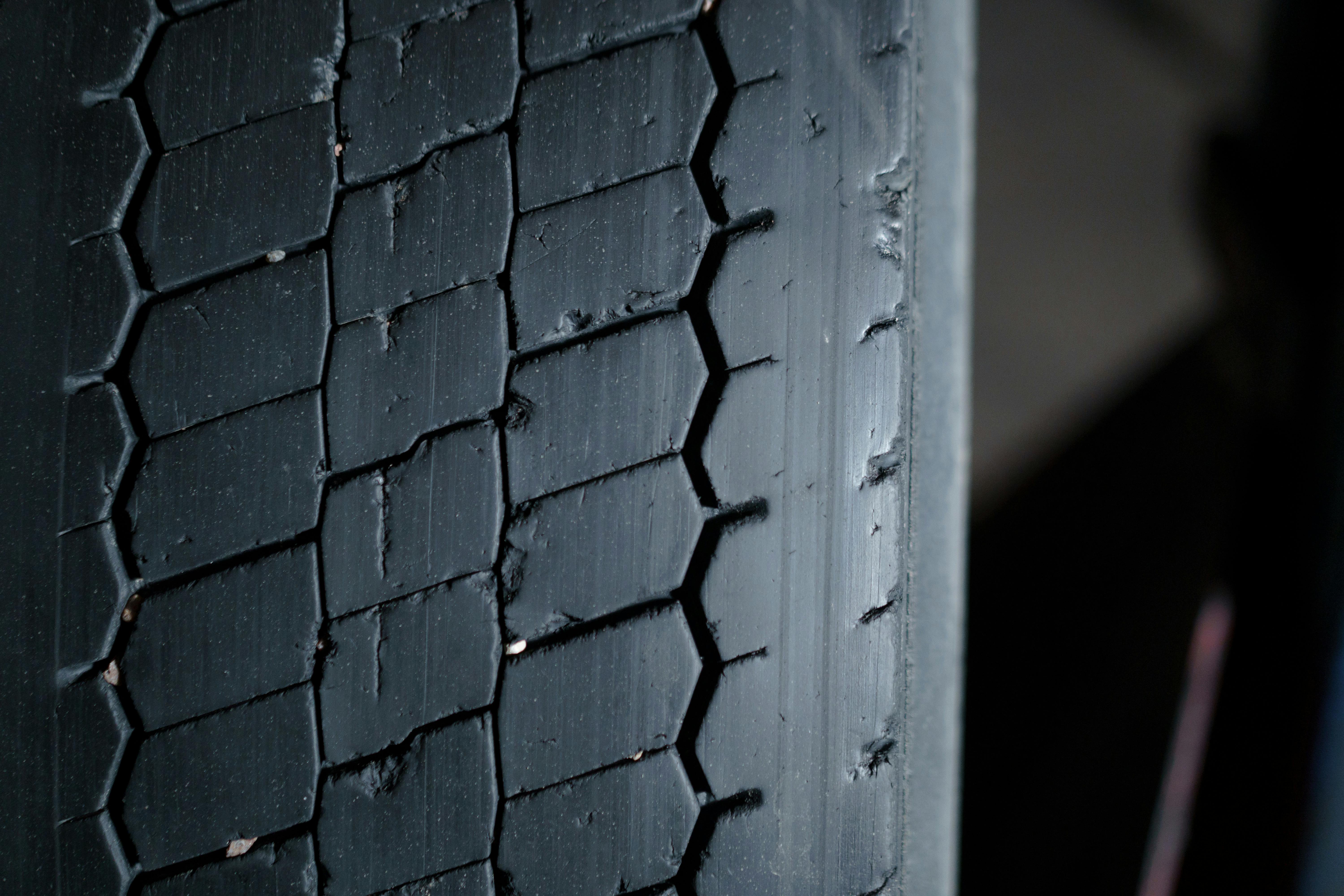
Sales of new imported tires in Brazil totaled 27.2 million units in the first half of this year, a jump of 81.2% compared to the same period in 2025, according to data from the National Association of Tire Manufacturers (Anip), released this Thursday (30). Sales by domestic manufacturers, in turn, contracted by 6.8% in the first six months of the year, to 17.86 million units. Thus, imported tires had a 60% share of the domestic market in the period, compared to 40% for domestic products, the lowest level since at least 2019. For comparison, in the first half of 2025, imported tires registered a 44% share, compared to 56% for domestic tires. The data includes tires for automobiles, light commercial vehicles and cargo vehicles from the replacement and assembly plant segments, Anip reported, noting that the figures do not include motorcycle tires. "There is a clear imbalance in the Brazilian tire market. The world is intensifying tariff barriers against Asian tires to protect its industries, while Brazil remains vulnerable," stated the president of Anip, Rodrigo Navarro, in a press release. In early June, the European Union imposed definitive anti-dumping tariffs of up to 45% on Chinese tires. Anip has been requesting, from the federal government, the adoption of new trade defense measures against imported products, such as increasing the import tariff on passenger car tires from 25% to 35%. The association is currently comprised of 11 manufacturers – Bridgestone, Continental, Dunlop, Goodyear, Maggion, Michelin, Pirelli, Prometeon, Rinaldi, Titan, and Tortuga – which have 19 factories spread across seven states. According to the association, the segment that suffered the greatest decline in sales in the first half of the year was the replacement market – the main focus of imported tires – with a drop of 10.1%. With this result, the Brazilian industry ended the semester with a 29% share of the replacement market, compared to 71% for imported products. In the first half of 2021, domestic manufacturers held approximately 64% of this market, while imports accounted for 36%.
This text was translated by machine from Brazilian Portuguese.