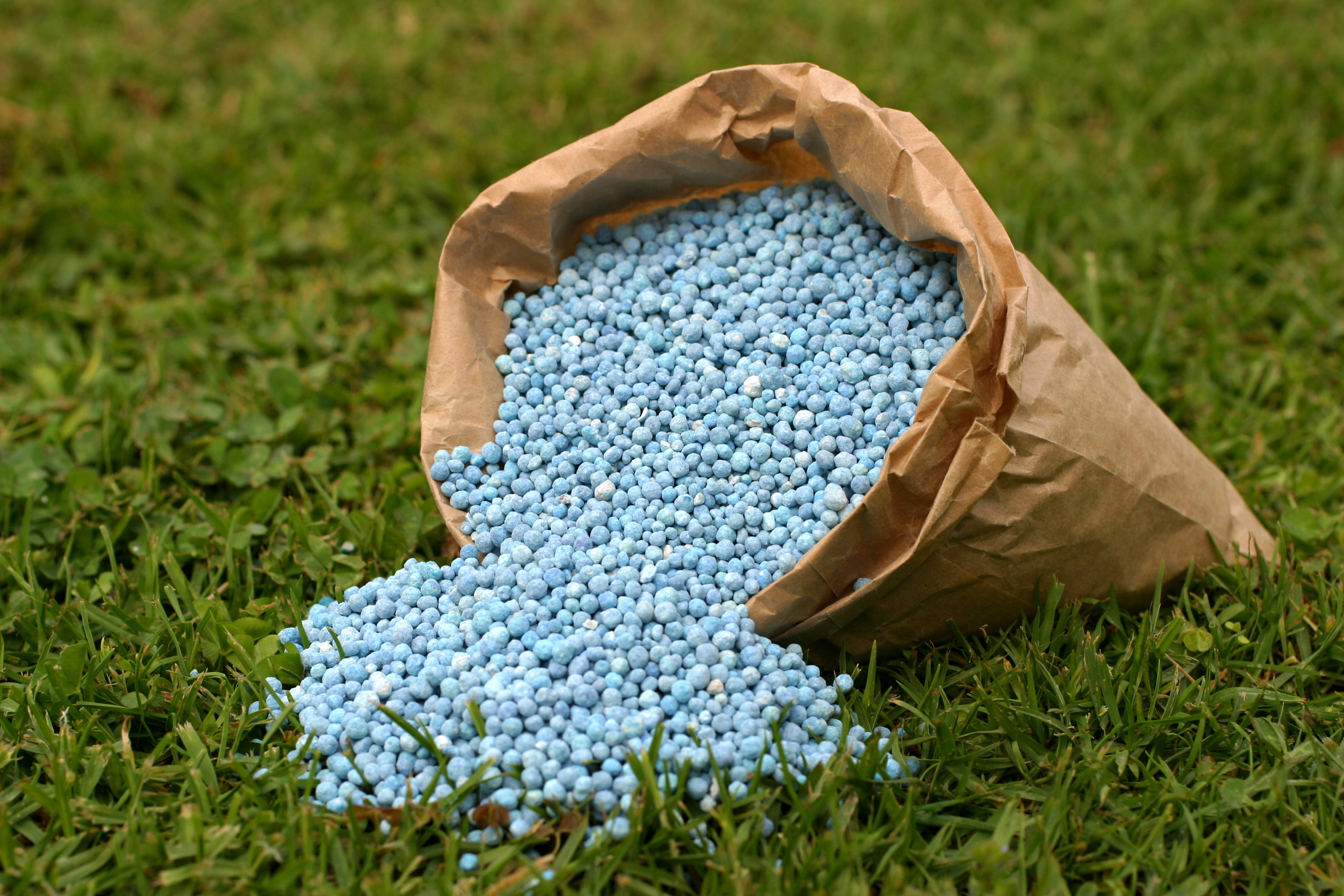
The surge in fertilizer prices, triggered by the war between the United States and Iran, threatens Brazilian agriculture and could unleash a historic crisis. With record fertilizer prices predicted, the sector faces risks that could reverberate throughout the national economy, regardless of whether the costs are passed on to the final consumer. In this scenario, farmers need to increase the efficiency of their input use. To support them, the Agronomic Institute (IAC) of Campinas is publicizing three essential actions to better direct investments and maintain productivity. The first recommendation is to conduct soil analysis to ensure rational and prescribed use of scarce or expensive fertilizers for the specific soil conditions. The second guideline is to adopt good agricultural practices that promote efficient input use by crops. The third is to use limestone—a low-cost input produced in Brazil—which prepares the soil for better utilization of applied nutrients and those already available in the soil. “Our goal is to strategically guide farmers in the face of the very likely rise in fertilizer prices, a consequence of the war which, in addition to making transport routes unfeasible and increasing the cost of inputs, is also compromising production infrastructure,” says Heitor Cantarella, a soil researcher and vice-coordinator of IAC, APTA (Agribusiness Research Directorate), of the São Paulo State Department of Agriculture and Supply. :: Soil Analysis Soil analysis is the fundamental action that allows us to know exactly what needs to be replenished. With this diagnosis, the investment will be in the correct product and the necessary dose. The second measure to be adopted is liming, which enhances the use of fertilizer by improving the availability and efficiency of nutrients. This technique brings several agricultural benefits at an affordable cost, since limestone is an abundant resource in Brazil thanks to the large existing reserves, which guarantees a much lower investment compared to imported inputs. When incorporated into the soil, limestone corrects its acidity, making it more favorable for plant growth. Furthermore, it neutralizes aluminum toxicity, which in excess compromises root development. With less acidity and toxicity, roots grow deeper and more vigorously. The practice also provides calcium and magnesium, essential nutrients for plant nutrition, and increases soil fertility by increasing the availability of phosphorus and other elements, favoring absorption by crops. :: Good Practices According to Cantarella, good agricultural practices have the 4C concept: right dose, right time, right fertilizer, and right place. And the farmer needs to pay attention to each of these factors to avoid losing money. The circular economy concept is also integrated into the IAC's guidelines. "The producer can also use what he has on his property, such as manure and compost," he advises. According to Cantarella, in addition to anticipating challenges in the sector in which it operates and developing solutions in advance, a research institution like IAC also has the role of using its technological packages to strategically guide farmers in circumstances such as the current one, in which the conflict places the world market before a geopolitical challenge, outside the axis of agronomic scientific programs that generally consider aspects related to the environment, natural resources, sustainability, quality, and agricultural productivity. Why does this moment require these adjustments in the use of fertilizers? Brazil imports about 80% of the fertilizers used, and a large part of these pass through the Strait of Hormuz, one of the most strategic maritime routes in the world, blocked amidst diplomatic negotiations between the parties involved in the conflict. A large volume of global oil, the main raw material for nitrogen fertilizers, passes through this Strait. With this situation, companies in Brazil cannot even anticipate fertilizer prices for farmers, as they do not know the cost of imports and the price of raw materials arriving in the country. “To illustrate this situation, sulfur, a raw material for various fertilizers, especially phosphate fertilizers, has already increased by about 300% to 400% since the beginning of the war,” comments Cantarella. In this context, if farmers manage to pass on the increased production costs to their products, the result should impact inflation, with consumers paying more. If they are unable to pass on these costs, their debts will most likely increase, which will also impact the country's situation. “Another complicating factor is that the scenario of high fertilizer prices occurs during a period when agricultural commodity prices are depressed. To contribute to this scenario, the IAC (Agronomic Institute of Campinas) is using already developed and consolidated knowledge and reinforcing guidelines with feasible solutions so that producers can face the challenges during this time of crisis,” comments the soil specialist in Brazil.
This text was translated by machine from Brazilian Portuguese.