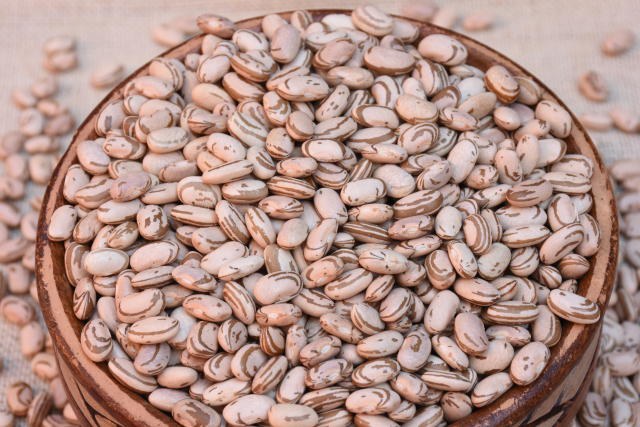
Prices for carioca and black beans continued their downward trend throughout November, amid low liquidity and negotiations focused almost exclusively on restocking, according to the CNA/Cepea indicator. Favorable harvest weather increased supply in important producing regions, intensifying pressure on prices. In the case of carioca beans, the arrival of new batches in Southwest São Paulo reinforced the downward movement, especially for higher quality products. Carioca beans with scores between 8.0 and 8.5 showed more irregular behavior: although declines predominated in several regions, some markets registered price support due to more limited supply. For black beans, the downward movement was also consistent throughout the month, influenced by stock liquidation and the proximity of the new harvest. In November, the national average accumulated a decline of about 7% compared to October, according to Cepea. Carioca beans (Scores 9 or higher): Demand was concentrated on recently harvested batches from São Paulo, but remained restricted to restocking. The difficulty in passing on price increases to wholesalers and retailers has slowed the pace of purchases by the industry, further pressuring the market. Between November 21st and 28th, prices fell by 4.06% in Itapeva (SP). Goiás and Minas Gerais also registered decreases, although less intense. Carioca beans (Grades 8 and 8.5): In this intermediate group, variations were more dispersed. In the markets of São Paulo, Minas Gerais, and Bahia, prices fell, influenced by the greater presence of lots with high moisture content and defects. In Itapeva (SP), the drop was 4%, and in Barreiras (BA), 1.68%. In regions of Goiás — Central/Northwest, East, and South Goiás — there were weekly increases, driven by more active demand and greater selectivity from producers. In Sorriso (MT), the week ended with a slight increase in value. Black beans (Type 1): The market remains under pressure. The accumulated price drops in November exceeded 6%, keeping the monthly average below that recorded in October. In Curitiba, prices fell by 2.4%, while in the southern half of Paraná the decrease was 0.7%. In São Paulo, prices also decreased, reflecting local supply and the slow pace of restocking.
This text was translated by machine from Brazilian Portuguese.