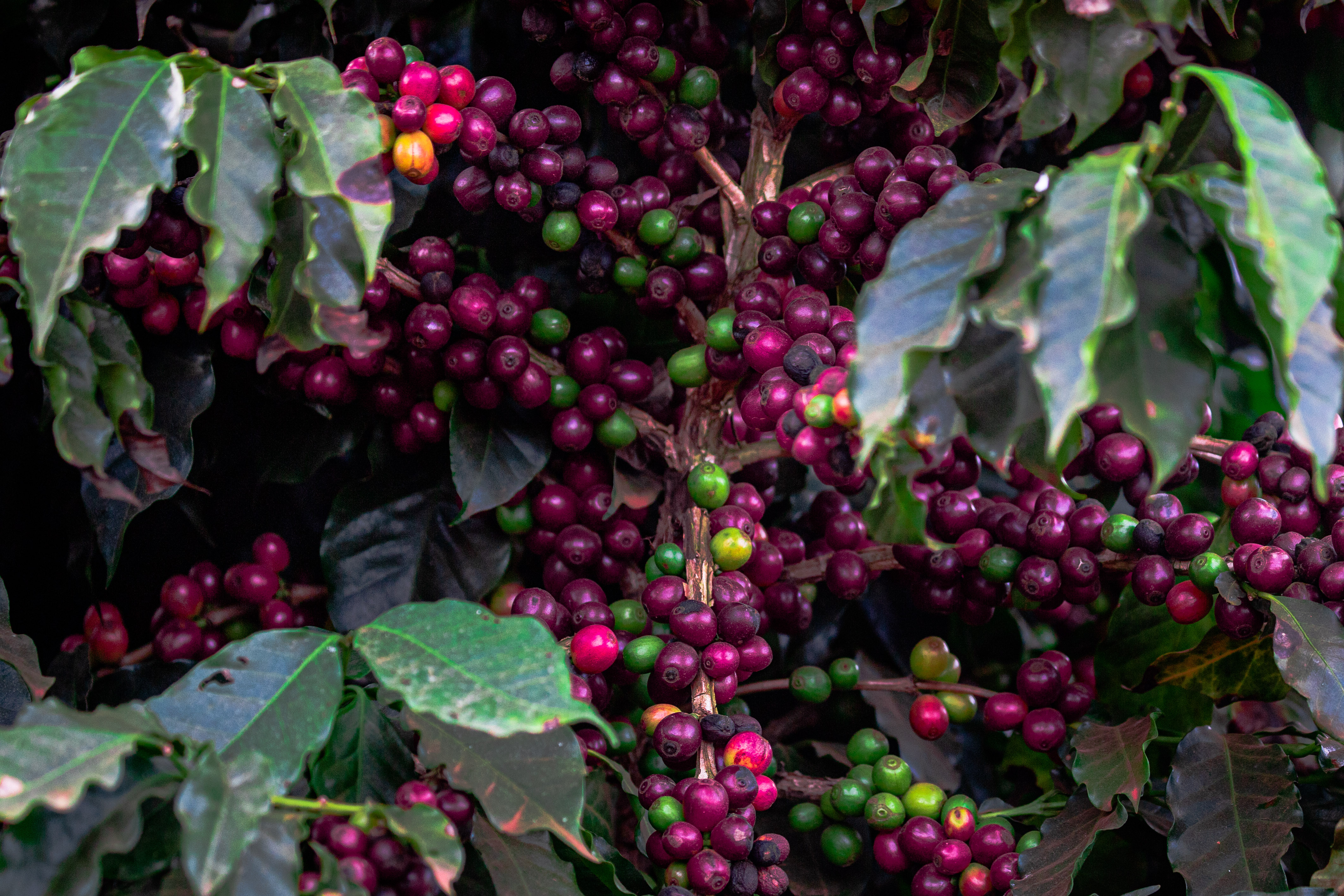
The quality of Brazilian coffee begins to be defined in the field, but it is during harvesting and, especially, post-harvest processing that the producer decides the final value of their product. Failures in this process can compromise the entire potential of the crop, even when production shows good agronomic development. According to Aldir Alves Teixeira, CEO of Experimental Agrícola do Brasil/illycaffè, simple operational errors continue to be one of the main bottlenecks in coffee farming. “The presence of green fruits and inadequate post-harvest handling are factors that directly impact the quality of the beverage and, consequently, the price received by the producer,” he states. According to the expert, selective harvesting is the first step to avoid losses. The recommendation is to start the operation with a maximum of 5% green or unripe fruits. “Harvesting at the correct point of ripeness is crucial. Mixing fruits compromises the standard of the batch and reduces its commercial value,” he explains. Another critical point is the time between harvesting and processing. The accumulation of freshly harvested coffee, a practice still common on some farms, can trigger undesirable fermentations. “Leaving coffee piled up for hours is enough to start the deterioration of quality,” he warns. Post-harvest requires agility and control. After harvesting, the coffee must be quickly sent for processing. The washing and hulling process should be done on the same day, without removing the mucilage, preserving the characteristics of the bean, such as body and sweetness. The immediate start of drying is also fundamental to preserving the sensory characteristics of the bean. “Post-harvest is a technical stage and requires operational discipline. Thin layers on the drying patio, constant turning, and humidity control make all the difference in the result,” emphasizes Aldir. The recommendation is that the coffee be dried until it reaches about 11% humidity, ensuring stability and avoiding defects. Correct management includes, at the beginning of drying, piling in low layers in the direction of the slope, without any covering. It should only be covered after half-drying with a tarp, never with a black plastic sheet. Storage should be done in a suitable environment, protected from humidity, light, and abrupt temperature variations. Even on farms with varying levels of investment, the use of simple technologies and best practices can reduce losses and increase efficiency. “We're not just talking about high technology. Organization, timing, and attention to detail already bring significant quality gains,” he emphasizes. For more demanding markets, such as specialty coffees, these precautions are even more crucial. In addition to physical and sensory quality, aspects such as traceability and sustainability gain weight in commercialization. :: Ten essential practices to guarantee quality: Start harvesting with less than 5% green fruits; Avoid piling up freshly harvested coffee; Wash and hull on the same day; Take the coffee to the drying yard without excess water; Start drying immediately, in thin layers; Turn the coffee throughout the day and pile it in the afternoon in the direction of the slope of the drying yard; Work with homogeneous and complete loads in the dryer; Respect the resting period until reaching 11% humidity; Store in a dark, ventilated, dry, and protected environment; Adopt sustainable practices from an economic, social, and environmental point of view. According to Dr. Aldir, the consistent adoption of these practices not only improves the quality of the beverage but also positions the producer in more valuable markets. “The main challenge in the harvest and post-harvest phases is to rigorously follow the technical recommendations. Adopting correct practices not only preserves the quality of the final product but also values the producer's work and strengthens the production chain,” he concludes.
This text was translated by machine from Brazilian Portuguese.