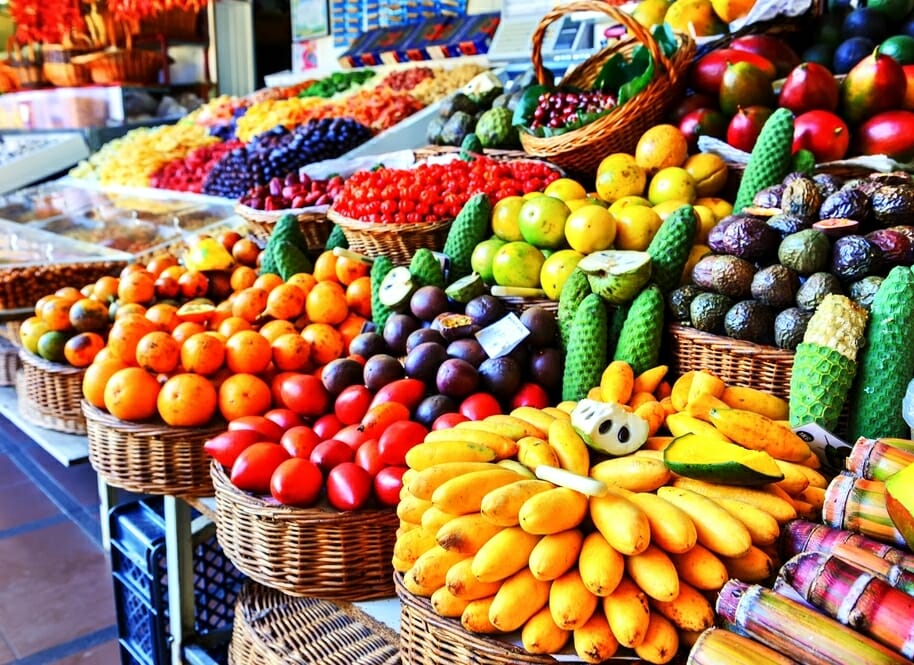
Changes in the international geopolitical landscape, increased logistics costs, sanitary barriers, and exchange rate fluctuations are already directly impacting Brazilian fruit farming and what reaches the consumer's table. The effects of these transformations were debated during another edition of the "Debates in Socioeconomics" series, promoted by Embrapa, with the theme "Brazilian Fruit Farming: How Global Crises Impact What Reaches Your Table." The meeting brought together researchers, economists, and representatives from the production sector to discuss the main challenges facing Brazilian fruit farming, especially the impacts of recent changes in the global scenario on important production chains such as mango, grape, and orange. Moderating the event, Embrapa Semiárido researcher Pedro Gama highlighted that the initiative aims to analyze the trends, bottlenecks, and perspectives of the main Brazilian agricultural chains, as well as identify priority research demands in the face of structural and technological obstacles that limit their development. At the opening of the event, the head of Embrapa Cassava and Fruit Crops, Francisco Laranjeira, emphasized the economic and social importance of the sector, noting that Brazilian fruit farming generates billions of reais annually, creates jobs, and still has potential for expansion in the international market. Among the challenges he highlighted was fruit consumption, still considered low in Brazil and worldwide, reinforcing that "if it is a challenge, increasing consumption is also an opportunity." Laranjeira also drew attention to sanitary issues affecting the sector's competitiveness, potentially impacting domestic production as well as exports. "Importing countries end up using plant health issues as a geopolitical weapon," he stated. Examples cited that threaten national fruit farming include citrus greening, grapevine canker, and the carambola fruit fly.
War, tariffs and inflation
Brazilian economist and researcher Felipe Serigati from the Getúlio Vargas Foundation (FGV) analyzed the impacts of the war between Iran and Israel on the global economy and Brazilian agribusiness. He highlighted that the scenario puts pressure on inflation and reduces the prospect of interest rate cuts. "Agribusiness was already facing a scenario of high indebtedness, and the Iran war worsens this," he stated. According to Serigati, international conflicts have caused an increase in oil prices, impacting fuels and fertilizers and raising agricultural production costs. However, he affirms that "this is a classic cost shock. Naturally with its specificities, but we have seen something of this nature before, which facilitates the creation of scenarios." Based on data from a recent report by the International Monetary Fund (IMF), the researcher pointed out that, although the impacts are felt worldwide, they reach each country differently, and Brazil is among the least impacted, particularly because it is a net exporter of oil. “No one will emerge unscathed from the war in Iran, but compared to other economies, our situation is not the worst.” The researcher also warned of the possibility of a return to protectionist measures from the United States. According to him, even though the Supreme Court has ruled that the so-called “tariff hike,” as it had been implemented, was illegal, there is an internal demand from some sectors for this protection. “Sooner or later, we have this scenario where some of the tariffs will return. Perhaps not in the abrupt way they did last year, but they will return, so we should all be prepared.”
Rising costs and barriers for grapes
Representing the productive sector of the São Francisco Valley, producer Edis Matsumoto presented a detailed analysis of all the costs involved in the grape production chain geared towards export, from the field to international markets, especially the European market. According to him, the increase in logistical costs is already directly affecting the profitability of producers. Matsumoto explained that maritime freight, internal transport, packaging, and inputs are expected to undergo further adjustments due to the rise in oil prices and international instability. "Several factors already mentioned will indeed impact our business," he stated. Another challenge identified as a significant trade barrier was the increase in European requirements related to the maximum limit of chemical residues in fruits. According to him, producers have increasingly fewer tools for phytosanitary control. He also warned about the growing dependence on varieties developed by private companies and advocated for continuous investment in genetic innovation. Matsumoto highlighted the importance of cultivars developed by Embrapa, such as BRS Vitória, for the recent expansion of viticulture in the São Francisco Valley.
Uncertainty in citrus farming
Researcher Margarete Boteon, from the Center for Advanced Studies in Applied Economics (CEPEA-Esalq/USP), pointed to a challenging moment for citrus farming, even though it is "an extremely efficient and resilient chain, both in terms of marketing and production." Brazil stands out in the market as the largest global supplier of orange juice – for every 10 glasses consumed in the world, eight are Brazilian. She said that, "when the announcement of the tariff increase came last year, it was a real bombshell for the sector, but it was known that there would be no other source to supply the United States." This meant that, in a short time, the product was one of the first to be exempt from the extra tariffs, although Brazilian orange juice already faces high tariffs in the international market. Boteon also highlighted the conflict in the Middle East, which has increased costs for fertilizers, fuel, and logistics, while Brazilian citrus farming simultaneously faces structural problems such as the advance of greening (HLB), the main disease affecting the crop. For her, the phytosanitary issue is an even greater shock than the crises generated by conflicts. “There’s no room for maneuver; you can’t invest less this year because the price is cheaper, because you have a disease at risk. If you don’t carry out the proper sanitary treatments, you won’t have production, and if you won’t have production, then you won’t have revenue,” she explains. The researcher also pointed to concerns about the decline in international consumption of orange juice and regulatory measures adopted in Europe, such as proposals to restrict juice consumption in school lunches. She believes that the sector will enter 2026 in a scenario of great uncertainty, with high inventories, weakened demand, and a growing need for efficiency gains.
Effects of the "tariff hike" on the sleeve
Closing the debate, researcher João Ricardo Ferreira de Lima, from Embrapa Semiárido, presented the effects of global crises on the mango supply chain, especially in the São Francisco Valley, which is responsible for about 92% of Brazilian mango exports. Lima pointed out that the announcement of surcharges by the United States generated strong insecurity among exporters at the beginning of the 2025 harvest. “Nobody was trying to sell their fruit; it was literally: 'how do I get rid of this fruit?'” he reported. According to him, the uncertainty about what could happen to the volume produced and the pessimism at that moment provoked high speculation, with prices well below the historical average. Despite the initial tension, problems in the harvests of competing countries, such as Mexico and Ecuador, ended up favoring Brazilian exports. João Ricardo pointed out that international prices remained above average for several weeks, allowing exports to be maintained even with the payment of taxes. The researcher also highlighted the accelerated growth of mango production in the São Francisco Valley, which, with the increase in planted area and productivity per area, more than tripled the volume of mangoes produced in a short period of time. According to him, exports also grew, helping to absorb some of this mango production, but not at the same rate as production. For Lima, the main challenge now is related to climatic issues and the behavior of the exchange rate. According to him, the appreciation of the Real against the dollar does not favor exporters, as they receive fewer Reais for each dollar.
Debates in Socioeconomics
The meeting, which took place on May 14th, was organized by Embrapa's Agricultural Socioeconomic Network (RSA). The initiative highlights the company's strategic role in increasing predictability in Brazilian agriculture. The Network's coordinator, Pedro Abel, emphasizes that "this function is particularly relevant in knowledge-intensive chains, such as fruit growing, and in an environment marked by high economic, technological, and climatic uncertainty."
This text was translated by machine from Brazilian Portuguese.