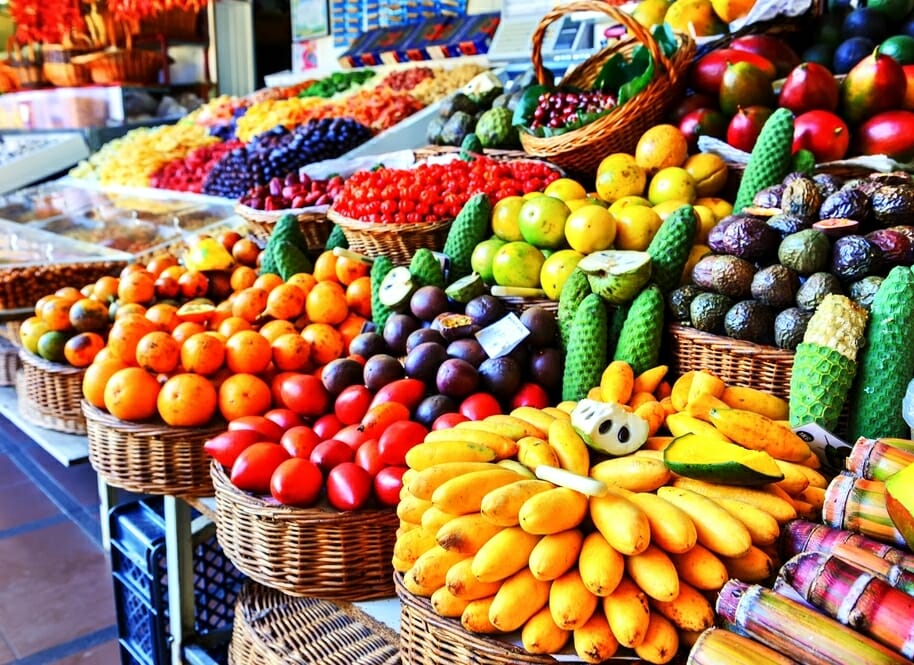
The most traded fruits in the main Supply Centers (Ceasas) in the country became cheaper last month. According to the 3rd Bulletin of the Brazilian Program for the Modernization of the Fruit and Vegetable Market (Prohort), the prices of bananas, oranges, apples, watermelons and papayas were lower on average when comparing February and January of this year. Also according to the survey released this Thursday (26) by the National Supply Company (Conab), the prices practiced for onions and carrots also followed the downward trend. The biggest reduction was seen for bananas, with prices on average in February 11.16% lower than those practiced in January. The decrease was recorded even with the return of classes, which increased the demand for the fruit, in a context of low supply of dwarf bananas until after Carnival. Nevertheless, the impact on prices was not more intense due to the volume of bananas purchased in the final third of the month, especially the dwarf variety from northern Santa Catarina, as well as the silver banana from northern Minas Gerais and regions of Espírito Santo, Bahia, and Ceará. Conab also identified a double-digit drop for apples, reaching a negative variation of 10.32% in the weighted average. The lower wholesale prices reflect the greater supply of the fruit, which can be explained by the beginning of the Gala apple harvest, in addition to the presence of the remaining Eva apple crop from Paraná and the crop in São Paulo. In the papaya market, the Company observed a lower supply of the papaya variety, a consequence of the higher volume of rainfall in the last quarter of 2025, which harmed flowering and reduced the productivity of papaya trees. On the other hand, the Formosa papaya presented lower prices and a higher supply, which limited the appreciation in papaya quotations, contributing to prices being 7.52% lower in the last month. For watermelon, the price reduction was less pronounced, reaching 3.72% in the weighted average of quotations. The fruits available in wholesale markets showed better quality due to the suitable climate and the occurrence of sporadic rains. However, the high volume of rainfall has influenced the planting of watermelon in Goiás, mainly in the producing region of Ceres, one of the largest production centers of the fruit in the country. In the case of oranges, most of the Ceasas (wholesale markets) in the Southeast region showed a decrease in sales and consumption. This led to a 7% drop in supply on average. Even so, prices remained stable, with a slight decrease of 0.06% on the weighted average. Vegetables – Among the vegetables analyzed, a new drop in prices was identified for onions. On average, the decline was 5.52% compared to the January average, influenced by the lower quality of the product. The supply of onions originating from Santa Catarina showed new growth in wholesale markets. Even with this increase, the volume of bulbs traded in the wholesale markets showed a 10% reduction. In March, with the end of the Santa Catarina harvest and the reduction of stocks, an upward pressure on prices was observed. Carrots also fell. After successive increases since December 2025, the price fell again in February. However, the reduction was small, only 1.23% on average compared to January. Regarding supply, there was a small reduction of 5.6% compared to January, insufficient to sustain a generalized increase in prices. While frequent rains in producing regions reduced the pace of harvesting, which would tend to push prices upwards, they also harmed the quality of the product, having the opposite effect on prices. Lettuce, tomatoes, and potatoes became more expensive at wholesale last month. In the case of leafy greens, the increase was only 2.02%. The total supply in the eleven wholesale markets analyzed showed a decrease of 7% compared to January. This negative variation was reflected in prices, contributing to the increase in the average. Once again, rainfall in producing regions impacted prices, as it not only hindered harvesting but also caused losses in the field, compromised product quality, and could even restrict planting and influence future supply. Tomatoes also saw a price increase in February. In the month analyzed, the increase was 5.20%, due to a lower supply of the product in the analyzed wholesale markets. This scenario is associated with the depletion of areas ready for harvest, after the high supply observed in the last three months of the previous year, when volumes reached the highest levels of 2025. The transition after the peak of the summer harvest has also been reducing production and, consequently, supply. Potatoes, in turn, saw price increases in most of the analyzed wholesale markets. On a weighted average, the increase was 11.72% compared to the January average. As with lettuce, frequent rainfall throughout the month affected the pace of harvesting, directly impacting supply. Furthermore, the peak of the rainy season harvest apparently already occurred in the first two months of the year. Given this scenario, forecasts for March indicate a reduction in supply and a continuation of price increases, a trend already observed at the beginning of this month. Exports – In February 2026, the total volume shipped abroad was 218,000 tons, a 1% increase compared to the first two months of 2025, and revenue reached US$237.7 million, 4.4% higher than the same month in 2025, according to data from the Ministry of Development, Industry, Trade and Services (MDIC). The season began with good sales, mainly to Europe and Asia, for avocados, bananas, and oranges, even with a slight two-month decrease for melons, lemons, grapes, and watermelons, primarily. Highlight – In this edition, the Ceasas Highlights section addresses the various advantages of using the cold chain for fruits and vegetables, which benefits not only producers but also traders and consumers, ranging from economic gains and greater food and nutritional security to aspects related to environmental protection.
This text was translated by machine from Brazilian Portuguese.