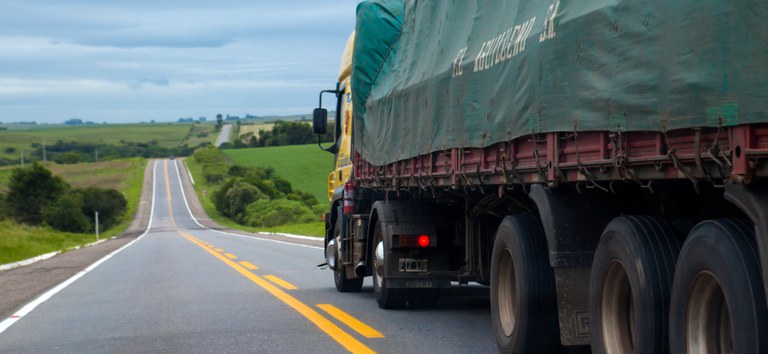
Mato Grosso do Sul represents approximately 9% of the national soybean production, consolidating its position as the 5th largest producer of the grain in Brazil. Regarding second-crop corn, the state occupies the 4th position in the national ranking, being responsible for about 8.1% of Brazilian production. Despite the relevance of soybean and corn production in the national scenario, logistical infrastructure still represents one of the main challenges for the flow of agricultural production in Mato Grosso do Sul. According to an analysis presented by Aprosoja/MS, freight costs can represent up to 60% of the value of corn and up to 25% of the value of soybeans. Currently, the state transports about 80% of its agricultural production by road, 2% by rail, and the remainder by waterways. According to a study prepared by economists from Aprosoja/MS, this concentration on road transport increases logistical costs, increases demand on the road network, and reduces the competitiveness of Mato Grosso do Sul's production. The analysis also indicates that rail and waterway transport modes have structural advantages over road transport. However, the competitiveness of these modes depends on factors such as available infrastructure, the stage of development of the logistics network, the process of returning concessions, and the level of competition between different transport modes. With investments estimated at R$ 50 billion until 2035, the duplication and improvements of the BR-163 highway, the implementation of the Nova Ferroeste railway, linking Maracaju (MS) to Paraná, the concession of the Paraguay River Waterway, and projects associated with the Bioceanic Route are planned. According to estimates presented in the study, these initiatives have the potential to reduce transport costs by up to 26%. Furthermore, according to the analysis presented in the study, the execution of these projects could contribute to increasing the efficiency of cargo transport, reducing logistics costs, and strengthening the competitiveness of soybean and corn production in Mato Grosso do Sul.
This text was translated by machine from Brazilian Portuguese.