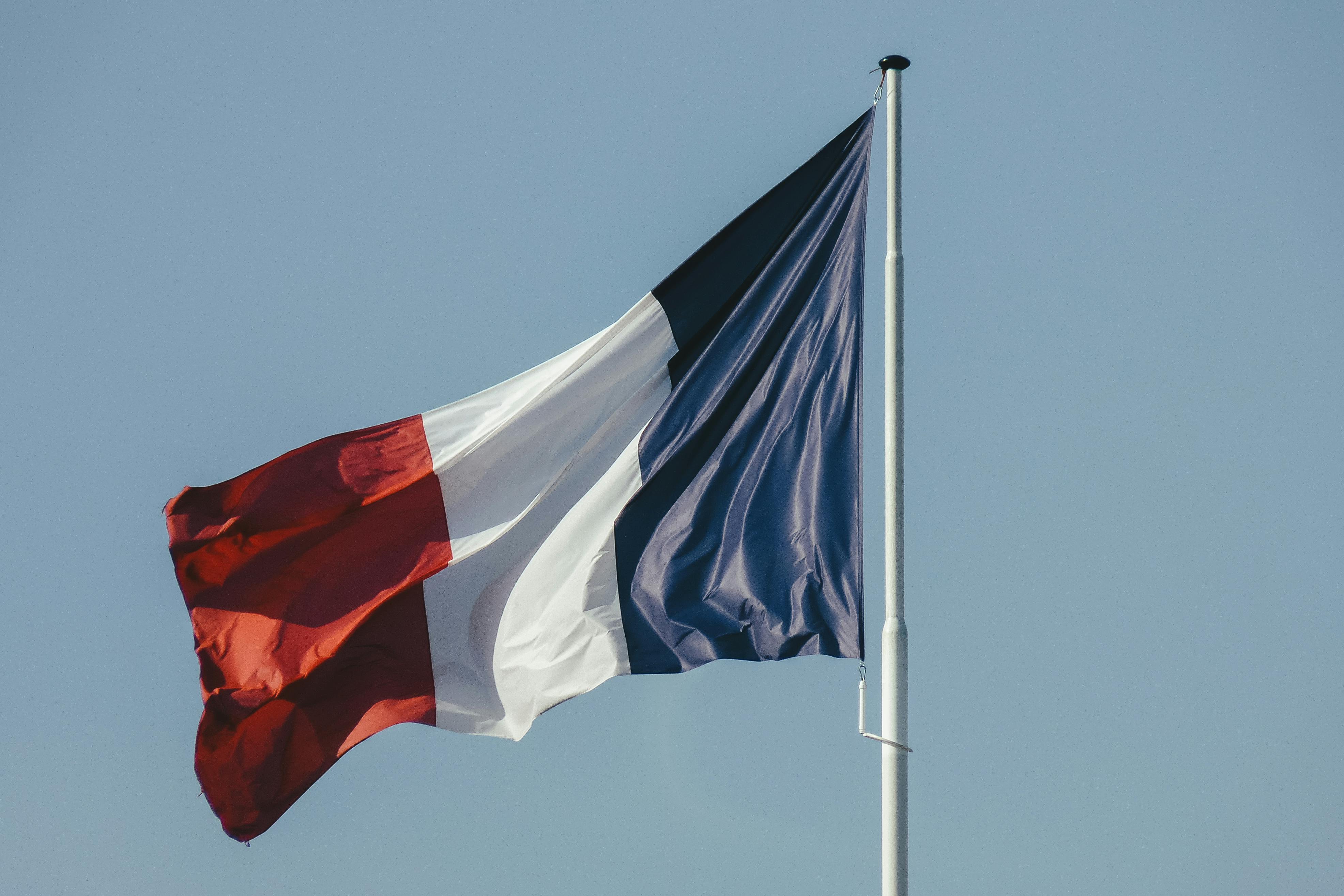
France will ask the European Union to suspend the application of the carbon tax on fertilizers, amid rising costs driven by the war in the Middle East. The announcement was made by the French Minister of Agriculture, Annie Genevard, this Friday (27). According to Genevard, the increase in fuel, natural gas and fertilizer prices — caused by supply disruptions during the conflict involving the United States, Israel and Iran — has put pressure on producers worldwide, including those in Europe. “On Monday, I will be in Brussels to officially ask the European Commission to suspend the carbon tax on fertilizers, at least during this crisis,” said the minister. “This is not the time to increase fertilizer prices with the carbon tax.” The issue is expected to be highlighted at the next meeting of the bloc's agriculture ministers, scheduled for Monday (30). The so-called carbon border tax, in effect since January 1st, imposes costs on CO₂ emissions on imports of products such as steel and fertilizers, with the aim of preventing unfair competition with European production. However, European farmers have criticized the measure, arguing that it increases production costs at a time already strained by external factors. Despite French pressure, the European Union has already rejected previous requests to suspend the fertilizer tax. Furthermore, European fertilizer producers oppose the tax suspension, arguing that the measure is essential to protect the local industry from cheaper imports.
This text was translated by machine from Brazilian Portuguese.