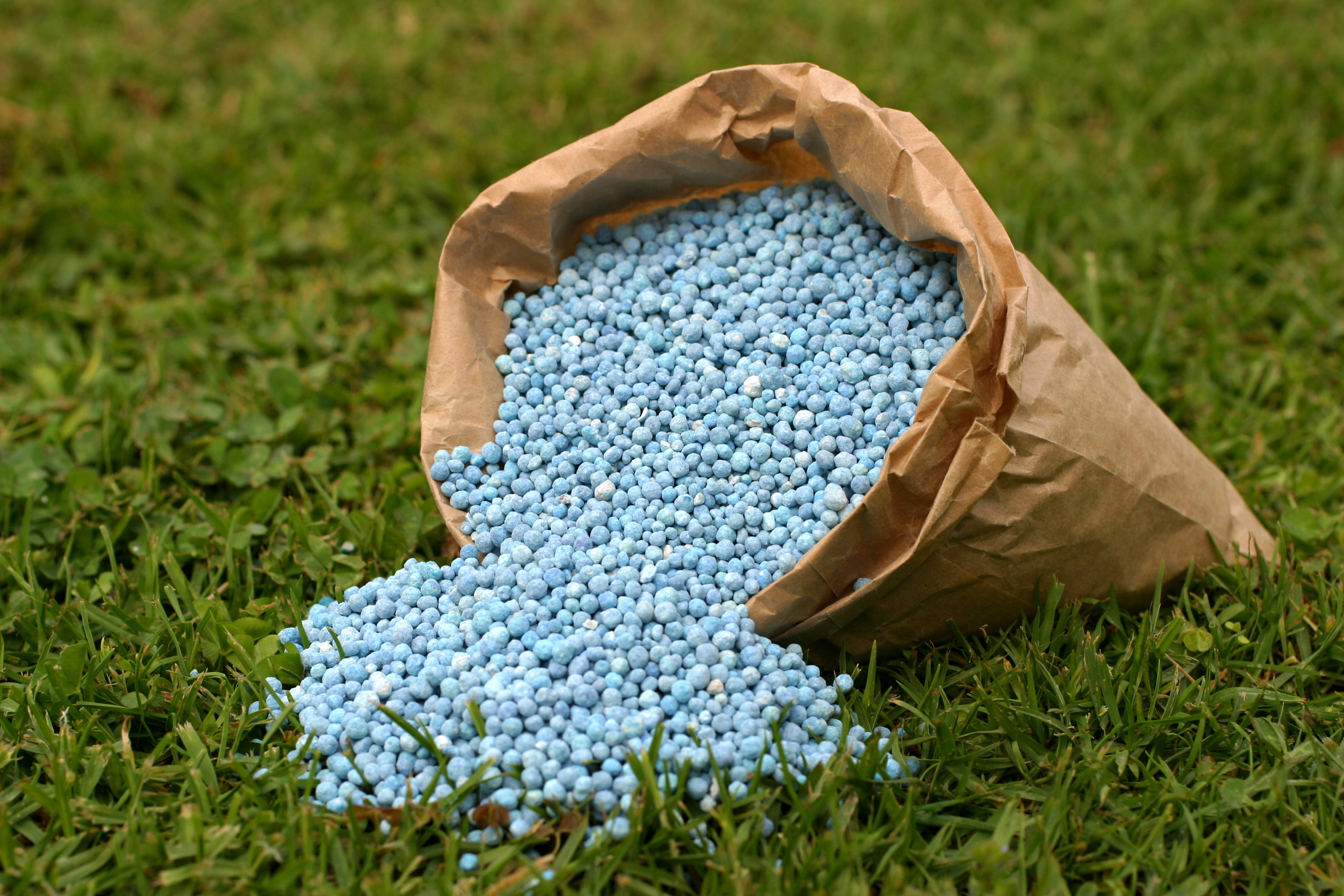
The National Association for Fertilizer Diffusion (ANDA) reports that fertilizer deliveries to the Brazilian market ended April 2026 with 2.54 million tons. This volume represents a slight reduction of 6% compared to the same month in 2025, when 2.70 million tons were delivered. In the first four months of this year, 12.30 million tons were recorded. This represents a growth of 1.6% compared to the 12.11 million tons recorded in the same period of 2025. The results achieved reflect the accumulated growth from January to March due to the second corn crop (Safrinha). The April figures already demonstrate the impacts for the next summer crop. The state of Mato Grosso, the leader in deliveries to the market, concentrates the largest quantity in the four-month period, with 3.06 million tons, or 24.9% of the total. Next are: São Paulo (1.39 million), Paraná (1.33 million), Goiás (1.31 million), and Minas Gerais (1.05 million).
National Production
Brazilian production of intermediate fertilizers ended April 2026 at 510,000 tons. This volume represents a 9.2% decrease compared to the same month in 2025. In the first four months of 2026, production totaled 1.92 million tons. This represents a 14.4% decrease compared to the same period last year, when 2.24 million tons were produced. The decline is mainly due to Brazil's phosphate production, and the price of sulfur, a necessary input in this production, has been steadily increasing in the market. It should be clarified that, despite ANDA's efforts with companies due to changes in corporate structure and/or the resumption of production in assets, not all national production was captured in the first four months.
Import
Imports of intermediate fertilizers continue to arrive in Brazil, reaching 3.05 million tons in April, a 10.4% increase. In the accumulated four-month period, the total was 11.21 million tons, representing a slight decrease (0.4%) compared to the same period in 2025, when 11.26 million tons were imported. Regarding the increase in imports, it is worth highlighting that the figures achieved were also influenced by the need to meet the needs of the more substantial second crop harvest.
Entrance door
At the port of Paranaguá, the main entry point for fertilizers, 2.84 million tons entered the port from January to April, indicating a 6.5% reduction compared to 2025, when 3.04 million tons were unloaded. The terminal accounted for 25.4% of the total imported from all ports (source: Siacesp/MDIC).
This text was translated by machine from Brazilian Portuguese.