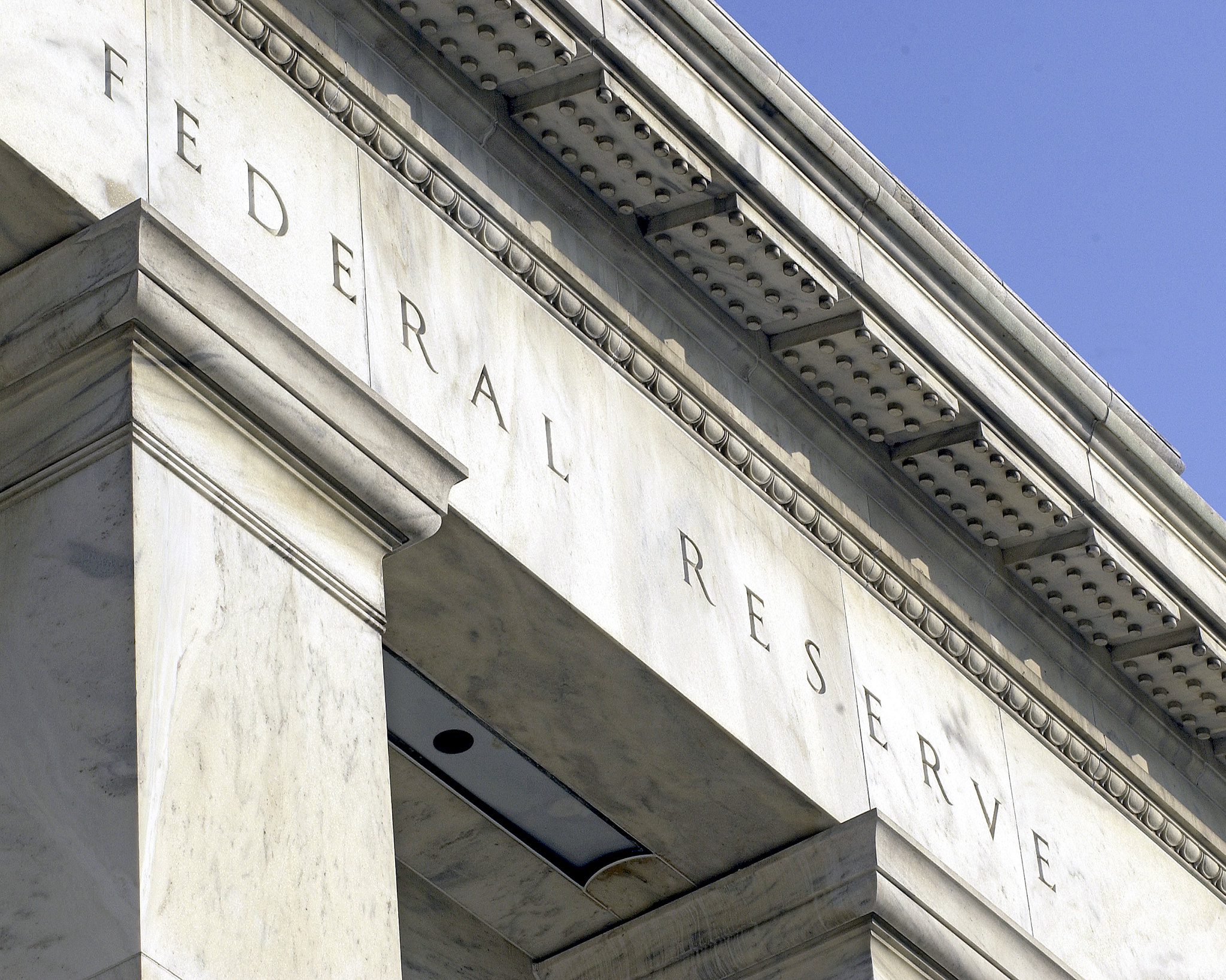
THE Federal Reserve (Fed) released this Wednesday (8) the minutes of the last meeting of Federal Open Market Committee (FOMC)The minutes of the meeting held on March 17th and 18th indicate that the US monetary authority opted to maintain the benchmark interest rate in the range of 3.5% to 3.75%, amidst a scenario of still high inflation and increased global uncertainties. The document shows that the decision was largely consensual among the members, with only one official, Stephen I. Mira, advocating a 0.25 basis point cut. The majority assessed that the current rate is close to a neutral level, allowing the central bank to await further data before any adjustment. Among the main points highlighted in the minutes is the concern about inflation, which remains above the 2% target. In January, the consumer price index measured by the PCE was at 2.8% accumulated over 12 months, while core inflation reached 3.1%. The conflict in the Middle East gained prominence as a relevant factor in the economic scenario. According to the FedThe significant rise in oil prices—with an increase of approximately 50% in the nearest contracts—raised short-term inflation expectations and increased volatility in financial markets. Despite this, policymakers believe these impacts may be temporary, although they acknowledge that a prolonged escalation of the conflict could make inflation more persistent. Regarding economic activity, the minutes indicate that growth remains solid, with GDP expansion and resilient consumption. However, the labor market shows mixed signals: the unemployment rate remains stable at 4.4%, but job creation has been moderate, raising concerns about a possible future slowdown. Committee members also highlighted growing risks to the economic outlook. On one hand, there is a risk of persistent inflation above the target; on the other, signs of fragility in the labor market, which may react more intensely to negative shocks. Given this delicate balance, the minutes reinforce that monetary policy does not follow a predetermined path. The Fed highlighted that it could either lower or raise interest rates, depending on the evolution of economic data and the risks to its dual mandate of controlling inflation and ensuring full employment. Finally, the document indicates that the prevailing expectation is that any interest rate cuts will only occur later, if inflation resumes a consistent downward trajectory, reinforcing the cautious tone of the monetary authority in the current global context.
This text was translated by machine from Brazilian Portuguese.