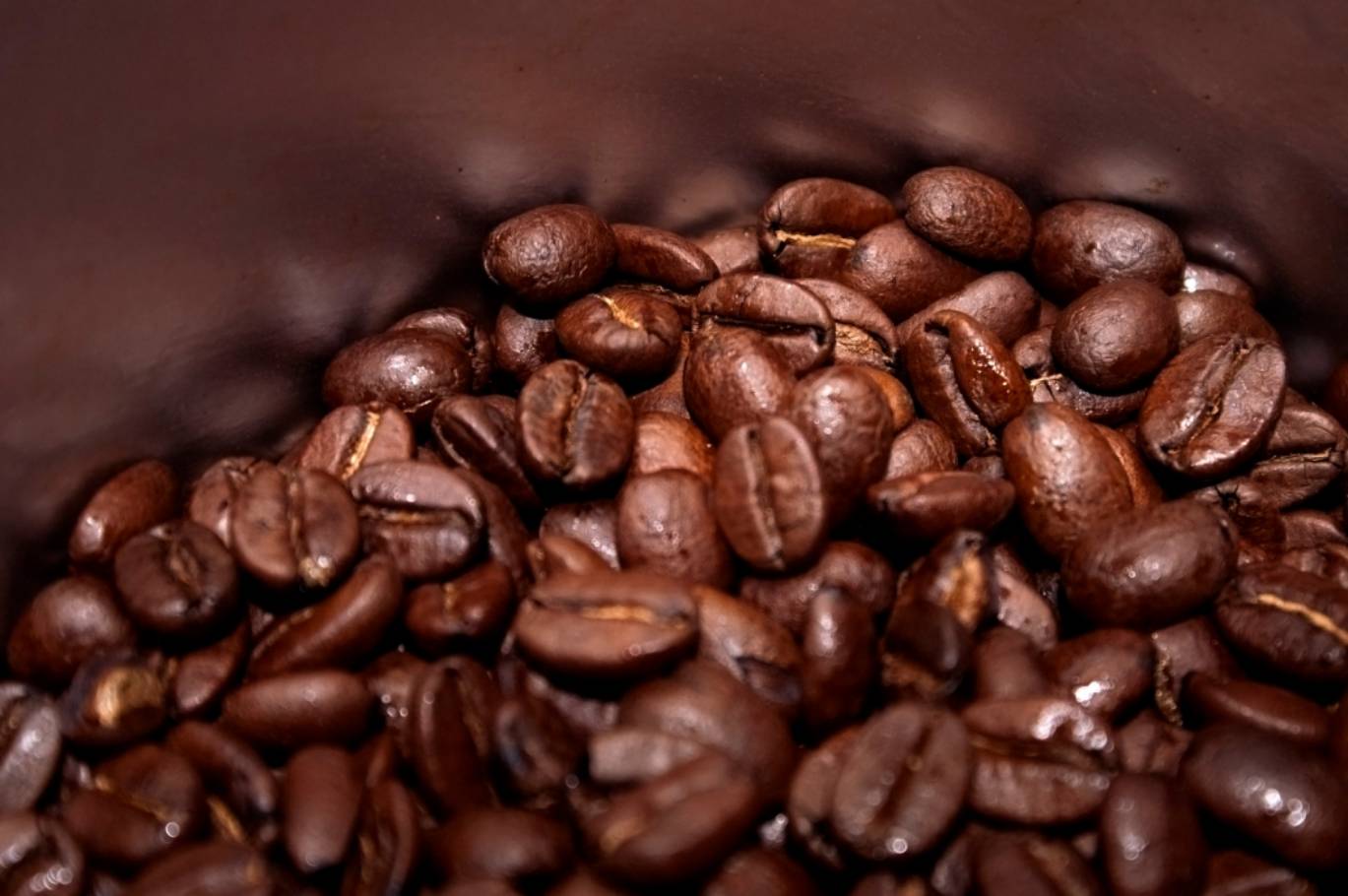
Fluctuations in the prices of coffee, cocoa, and tea reflect a period of instability in supply chains. According to a recent report by the Food and Agriculture Organization of the United Nations (FAO), the solution involves commercial transparency and greater participation of farmers in profit sharing. Almost half of the world's coffee supply is concentrated in Brazil and Vietnam, according to the FAO study. According to "UN News," this predominance means that any climate change in these countries impacts global prices for the bean and the beverage. In this sense, droughts and frosts reduced the harvest of the Arabica variety and caused prices to skyrocket between 2021 and 2022. More recently, new climate forecasts in Brazil and production losses in Vietnam have boosted the market value of the commodity. Although Brazilian agribusiness benefits from periods of high prices, volatility hinders long-term planning and exposes producers to financial risks during market corrections. The report's findings highlight the unequal distribution of profits throughout the production chain. Small farmers receive a small margin of the final price, but they are the most impacted when markets fall.
Cocoa and tea production in African countries
Countries where local economies depend on agricultural revenues for their livelihood and macroeconomic stability are the most affected. In São Tomé and Príncipe, renowned for the quality of its cocoa, prices have skyrocketed due to crop failures caused by disease and weather factors in major West African producers. However, the archipelago's limited local processing capacity prevents it from retaining the value of this price increase. Similarly, Angola and Mozambique's efforts in the coffee and tea sectors are constantly threatened by these abrupt fluctuations, which affect the food security of rural populations and government budgets.
Crises in global beverage markets
Crises in global beverage markets are not transmitted uniformly or entirely across different stages of production. Producers are more susceptible to price drops, and prices charged to the final consumer in developed economies react much more slowly and moderately. Most of the financial value of coffee, chocolate, and tea is generated in the industrial processing, marketing, and distribution phases, which occur in the countries importing the raw materials. The FAO recommends coordinated policy action to invest in agricultural technologies, transparency of stock data to combat speculation, and incentives for local processing, allowing producers to share more of the added value in the production process.
This text was translated by machine from Brazilian Portuguese.