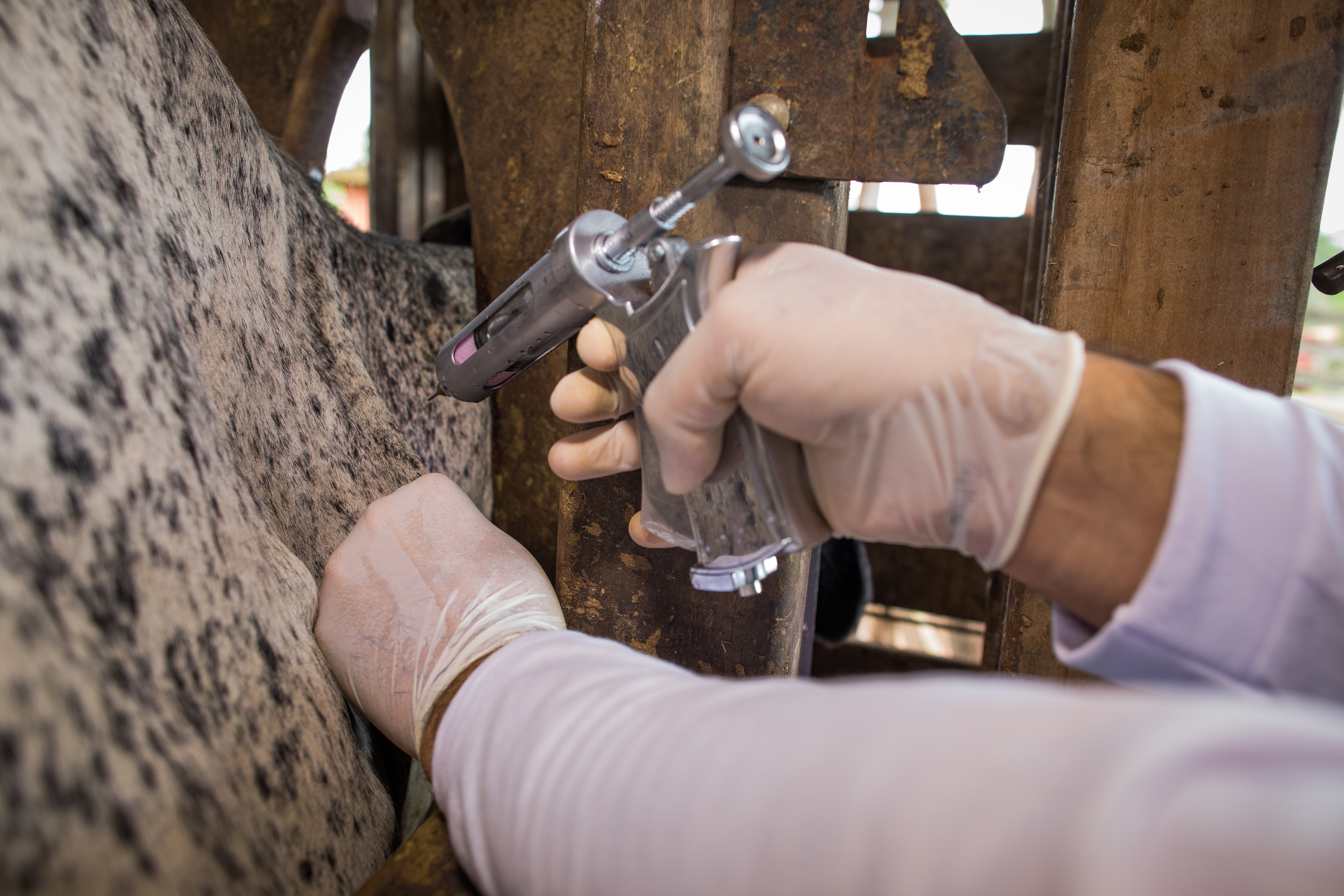
The increased spread of transboundary animal diseases has increased pressure on countries' prevention and response systems, which are facing the rapid spread of diseases and pests. The Food and Agriculture Organization of the United Nations (FAO) underlines the risk of diseases such as avian influenza, foot-and-mouth disease, African swine fever, as well as other emerging zoonotic threats such as Andean hantavirus, Ebola, and Nipah virus.
The livestock sector supports more than one billion people.
According to the FAO, the global livestock sectors support over one billion livelihoods and contribute trillions of dollars in economic value every year. According to UN News, the United Nations agency highlights that protecting animal health is crucial for farmers and livestock producers, contributing to food security, trade, economic stability, and rural prosperity. The factors driving the spread of diseases are becoming increasingly complex, underlines the FAO, which emphasizes the increased movement of animals, people, and products, changes in production systems, environmental pressures, and inequalities in veterinary and surveillance capacity.
New threats require strengthened prevention and surveillance.
The FAO emphasizes that responding to these threats requires stronger surveillance, earlier detection, greater information sharing, and closer international cooperation. Tiensin Thanawat, FAO Deputy Director-General, stated that the impacts of outbreaks are not limited to animal health. They “disrupt agricultural production, trade and tourism, threaten livelihoods, increase risks to food security and, in some cases, pose direct risks to human health,” he declared. The economic impacts of transboundary animal diseases are substantial, associated with losses in the order of millions or billions of dollars annually, which underscores the importance of their prevention.
The agency calls for investment in animal health.
According to the FAO, prevention and preparedness of veterinary services remain the most effective and least expensive tools for reducing the impacts associated with outbreaks of animal diseases. “Experience consistently shows us that prevention and preparedness are more effective and less expensive than responding after an outbreak has already occurred,” stated Beth Bechdol, FAO Deputy Director-General. She reinforced the need for investment in animal health systems and other effective means to “protect livelihoods, support trade, strengthen food security and improve the resilience of agri-food systems,” she concluded.
This text was translated by machine from Brazilian Portuguese.