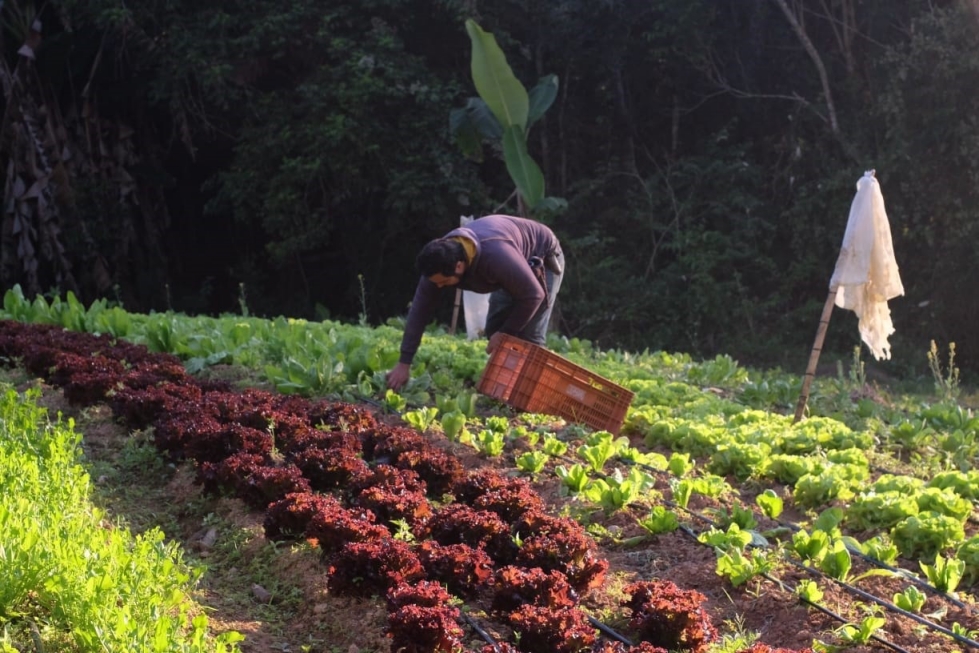
The São Paulo State Federation of Agriculture and Livestock (Faesp) has submitted proposals to state and federal government programs aimed at improving public procurement policies focused on family farming. Within São Paulo, the organization presented Governor Tarcísio de Freitas with proposals to strengthen the Paulista Program for Social Interest Agriculture (PPAIS) and the PPAIS Milk subprogram. The organization highlighted the strategic importance of these programs for strengthening small-scale rural production, especially in production chains with lower profit margins, such as dairy farming, where public procurement represents an important tool for sustaining income and ensuring families remain in rural areas. Among the suggested measures are adjusting the sales limit of the PPAIS Compliance Declaration (Deconp), expanding the publication of calls for tenders, and increasing the participation of more state government agencies in the program. According to a Faesp survey based on data from the State Treasury Department between 2015 and 2025, the program's execution fell far short of what was stipulated by law. Although legislation mandates that at least 30% of food purchases be destined for family farming, the percentage actually implemented during the period was only 3.8%. The organization highlights that the Penitentiary Administration Secretariat (SAP) is practically the only state agency that makes purchases through the program, and even so, the percentage implemented, at 11.32%, is far below the minimum required by law. Faesp estimates that the full application of the legislation could have directed approximately R$ 600 million to family farming in 2025 alone, strengthening regional economies and ensuring that families remain in rural areas. At the federal level, the organization submitted proposals related to the National School Feeding Program (PNAE), requesting an update to the individual sales limit per family farmer, currently at R$ 40,000 annually, an amount that has not been adjusted since 2021. “We are asking for an increase in the sales limit for small producers in both programs, starting in 2026, as well as greater participation from state secretariats in the PPAIS. It is vital that the government guarantees compliance with the mandatory minimum percentage of purchases from family farming and expands the participation of more public bodies, as this is essential for strengthening family farming in São Paulo and Brazil, in addition to the sustainable development of rural areas,” stated the president of Faesp, Tirso Meirelles.
This text was translated by machine from Brazilian Portuguese.